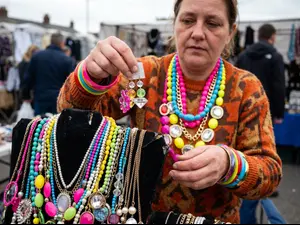
akimbo
adverb
with hands on the hips and elbows turned outward
What Makes This Word Tick
"Akimbo" is one of those delightful words that paints a vivid picture: it describes a stance with hands on hips and elbows turned outward. Imagine a mother waiting for her child to explain a broken vase or a superhero striking a pose before saving the day. The word not only describes a physical position but often conveys a sense of assertiveness or readiness.
If Akimbo Were a Person…
If "akimbo" were strolling down the street, you'd probably notice its confident gait from miles away. It would be the kind of person who commands attention in a room without saying a word, often seen in leadership roles where charisma and posture leave a lasting impression.
How This Word Has Changed Over Time
Back in the day, "akimbo" had a bit of a rough-around-the-edges start, sometimes implying disorderly or crookedness. Over time, though, it cleaned up its act and settled into a respectable, if sometimes defiant, stance. It's now less about chaos and more about controlled, impactful appearances.
Old Sayings and Proverbs That Use Akimbo
Though there aren't many old sayings with "akimbo," the word encapsulates the kind of determined resolve that might appear in phrases like "standing firm" or "not backing down." It's a word whose essence has popped up in sayings about being ready for anything.
Surprising Facts About Akimbo
Did you know "akimbo" isn't just for humans? In wildlife photography, for instance, capturing an animal "akimbo" can highlight its strength and the dynamics of its movement. And if you're wondering, yes, this includes those rare times you catch your pet looking particularly regal.
Out and About With This Word
You might spot "akimbo" anywhere assertiveness is key-from a military parade to a child's attempt at mimicking their superhero idol. It's a word that showcases confidence, used in settings that require standing one's ground or facing challenges head-on.
Pop Culture Moments Where Akimbo Was Used
Pop culture loves this word! From movie posters to action-filled video games, characters often stand akimbo to display indomitable will just before delivering a snappy one-liner or saving the world. Its visual impact makes it a favorite for showcasing empowerment.
The Word in Literature
Oh, "akimbo" does find its way into many a literary scene. It often appears in novels to amplify a character's presence or draw attention to their unwavering determination. Authors might describe a hero facing their nemesis with arms akimbo, signaling readiness and resolve.
Moments in History with Akimbo
Imagine those grand portraits of monarchs or founding fathers standing proudly with arms akimbo. It's a stance synonymous with power and authority-whether etched in the ink of a famous speech or embodied by historical figures as they prepared to change the course of history.
This Word Around the World
In non-English speaking cultures, the stance signified by "akimbo" might be expressed through gestures or other expressions unique to the region. In some places, standing with arms akimbo might signal leadership, while in others, it could be seen as overly assertive or even aggressive!
Where Does It Come From?
"Akimbo" likely comes from Middle English "in kenebowe," which meant "in a bent position." The evolution feels like a game of linguistic telephone, doesn't it? Over the centuries, words were added and dropped until we ended up with this tidy and expressive term.
How People Misuse This Word
Sometimes "akimbo" gets used incorrectly to describe other types of stance or poses unrelated to its hands-and-hips roots. Someone might say "legs akimbo" to mean sprawled out, for instance, but that's stretching the term beyond its original visual effect.
Words It's Often Confused With
- Askew: Often mistaken due to its sound, "askew" refers to something being off balance or not straight.
- Awry: Another tricky word! "Awry" indicates a turn of events that didn't go as planned, rather than a specific posture.
- Aslant: Like "askew," it suggests a slant rather than a posture.
Additional Synonyms and Antonyms
While it's hard to find true synonyms for "akimbo," in terms of posture, you might consider "hands-on-hips" a close cousin. As for antonyms, perhaps "relaxed" or "slumped" offer a contrasting image, as they imply a lack of assertiveness or readiness.
Want to Try It Out in a Sentence?
Sure! Here's a fun one: "The toddler stood akimbo, mimicking her mother's stance, ready to take on the world- or at least the house cat."
Explore more words

talisman
[tal-is-muhn]
a stone, ring, or other object, engraved with figures or characters supposed to possess occult powers and worn as an amulet or charm

postulate
[pos-chuh-leyt]
to claim or assume the existence or truth of, especially as a basis for reasoning or arguing

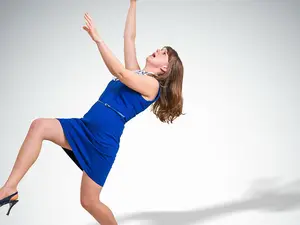
plotz
[plots]
to collapse or faint, as from surprise, excitement, or exhaustion

penniless
[pen-i-lis]
without any money whatsoever; totally impoverished; destitute
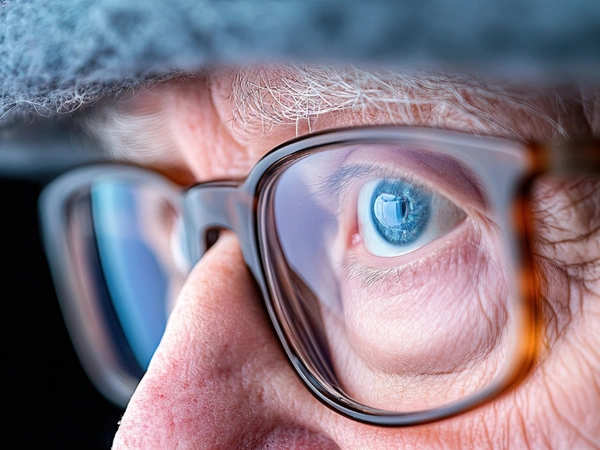

hated
[hey-tid]
strongly disliked or despised

fecund
[fee-kuhn]
producing or capable of producing offspring, fruit, vegetation, etc. in abundance; prolific; fruitful

grasp
[gr-asp]
to seize or hold something firmly; also to understand or comprehend an idea.

incidence
[in-si-duhns]
the rate or range of occurrence or influence of something, especially of something unwanted

rarity
[r-ar-ity]
the state or quality of being uncommon or unique.

petition
[puh-tish-un]
a formal request for a specific action or decision
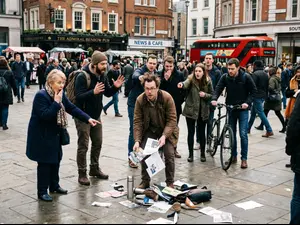
kerfuffle
[kər-ˈfə-fəl]
a disturbance or commotion typically caused by a dispute or conflict
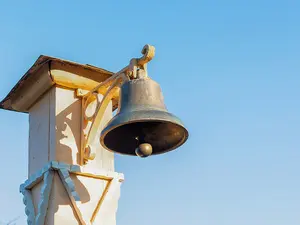
tocsin
[tok-sin]
a signal, especially of alarm, sounded on a bell or bells