belabor
verbto argue or elaborate on something in excessive detail
What Makes This Word Tick
Belabor is about taking a point too far. It describes explaining, arguing, or repeating something after the main idea is already clear. The word is useful when detail stops helping and starts weighing things down.
If Belabor Were a Person…
Belabor would underline the same sentence again and again. They might want to be thorough, but the room would already understand. Their effort would turn explanation into drag.
How This Word Has Changed Over Time
Belabor is built around the idea of laboring over something. In modern use, it often focuses on excessive explanation or repetition. The word has a practical feel because it usually appears when someone wants to move on.
Old Sayings and Proverbs
Belabor is not commonly found in traditional proverbs, but its meaning fits warnings about saying too much. An imagined proverb-like line might be: "Do not belabor the bell after all have heard it ring." It presents repetition as something that can outlast its purpose.
Surprising Facts
Belabor can sound formal, but it appears in a very practical phrase: do not belabor the point. The issue is not whether the point is true. The issue is that it has been repeated or explained too much.
Out and About With This Word
You can use belabor in meetings, essays, debates, reviews, and explanations. It fits classrooms, boardrooms, comment sections, and long conversations. Use it when someone keeps pressing a point that has already landed.
Pop Culture Moments Where Belabor Was Used
It would fit naturally alongside The Office, where small workplace issues can stretch into too much discussion. It also suits Seinfeld, where ordinary topics can be examined long after the point is clear. In both cases, belabor describes staying with an idea past its useful limit.
The Word in Literature
In literature, belabor can describe a narrator or character who explains too much. It is useful when excess detail slows the pace or weakens the force of a point. The word names the moment when emphasis becomes overemphasis.
Moments in History with Belabor
In a committee hearing, classroom lecture, or editorial meeting, belabor can describe repeating an argument after the central point is understood. The setting makes the excess easy to notice. The word keeps the focus on unnecessary length.
This Word Around the World
Many languages have ways to describe overexplaining or repeating a point too often. Belabor gives English a compact verb for that kind of excess. It is useful when the problem is not the point itself, but how long someone stays on it.
Where Does It Come From?
Belabor is connected to belaborian, meaning "to labor upon," from be- and labor. That background fits the modern idea of working a point too heavily. The word still feels like effort carried past usefulness.
How People Misuse This Word
Belabor does not simply mean explain. A clear explanation can be brief and helpful. Belabor means to argue or elaborate on something in excessive detail.
Words It's Often Confused With
Belabor can be confused with emphasize, but emphasize can be useful and short. Belabor suggests the point has been pushed past the helpful stage. It is emphasis with too much weight on it.
Additional Synonyms and Antonyms
Additional synonyms: harp on, overexplain, reiterate, prolong Additional antonyms: summarize, shorten, skip, condense
Want to Try It Out in a Sentence?
There was no need to belabor the point, as everyone already understood it.
Explore more words
11 Dumbest Things Middle-Class Americans Waste Money On
See what to cut →
astringent
[uh-strin-juhnt]
causing contraction of body tissues; sharp or severe in manner

ostentatious
[os-ten-tey-shuhs]
characterized by or given to pretentious or conspicuous show in an attempt to impress others

Little-Known Money Hacks That Could Save You Hundreds
Review the list →

Is Staying With the Same Insurer Costing You More?
Explore Your Options →

picturesque
[pik-chuh-resk]
(of writing, speech, etc.) strikingly graphic or vivid; creating detailed mental images

swift
[swift]
coming, happening, or performed quickly or without delay

These 10 Money Moves Could Save Seniors Hundreds
Read more →

engender
[en-jen-der]
to produce, cause, or give rise to

unctuous
[uhngk-choo-uhs]
of the nature of or characteristic of an unguent or ointment; oily; greasy

precarious
[pri-kair-ee-uhs]
dependent on circumstances beyond one's control; uncertain; insecure
whimsical
[hwim-zi-kuhl]
erratic; unpredictable
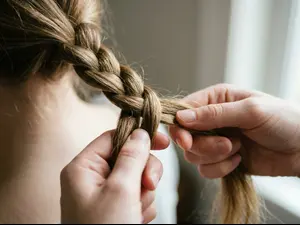
braid
[br-aid]
a pattern formed by weaving together three or more strands, often of hair or fabric.

wane
[weyn]
to decrease in strength, intensity, etc.

effluvium
[ih-floo-vee-uhm]
a slight or invisible exhalation or vapor, especially one that is disagreeable or noxious

hazy
[hey-zee]
characterized by the presence of haze; misty