
boggy
Adjectivewet and spongy ground
What Makes This Word Tick
Boggy describes ground that is wet, soft, and marsh-like underfoot. It fits places where the earth gives way instead of holding firm. The word suggests damp softness and trouble for steady footing, not dryness or solid ground.
If Boggy Were a Person…
Boggy would be the messy friend who always seems to arrive with muddy shoes and a slow, squelchy trail behind them. They are not dangerous exactly, just difficult to cross without effort. Their whole presence feels heavy with rain.
How This Word Has Changed Over Time
Its meaning has stayed close to the physical qualities of a bog: wetness, softness, and marshy ground. Modern use still keeps that earthy, literal feel, though it can sometimes be extended to anything unpleasantly soggy.
Old Sayings and Proverbs
A proverb-style idea that fits boggy is that poor ground makes every step harder. That matches the word because boggy conditions slow movement and make progress uncertain.
Surprising Facts
Boggy is wonderfully physical, almost making the texture felt just by saying it. It is a descriptive word that quickly creates a setting, especially outdoors. The sound and meaning work together to make it memorable.
Out and About With This Word
You will find boggy in weather talk, walking descriptions, outdoor writing, and any account of wet land conditions. It fits fields, trails, marsh edges, and places where too much water has settled in. The word is especially useful when the ground itself becomes the obstacle.
Pop Culture Moments Where Boggy Was Used
The concept behind boggy appears in stories set in moors, marshes, rain-soaked fields, and adventure scenes where footing matters. It works because wet ground can add mood, delay, and danger without needing an enemy. That makes the idea useful in atmospheric storytelling.
The Word in Literature
In literature, boggy helps build setting with a strong sensory effect. Writers use it when they want land to feel heavy, wet, and slightly treacherous. The word lets the ground itself become part of the scene’s tension.
Moments in History with Boggy
The concept of boggy belongs to historical settings where travel, farming, or conflict depended on the condition of the land. It fits times when wet ground shaped routes, labor, and movement in practical ways.
This Word Around the World
Across languages, this idea is often expressed through adjectives for swampy, marshy, or waterlogged ground. The exact term varies by landscape and climate, but the sensation of soft wet earth is widely familiar.
Where Does It Come From?
Boggy is built from bog plus the suffix -y, which gives the sense of being full of or like a bog. Its form makes the meaning very direct and transparent.
How People Misuse This Word
People sometimes use boggy for anything merely wet, but the word works best when the ground or surface is soft, marshy, and hard to cross. It implies more than a little dampness.
Words It’s Often Confused With
Soggy often describes things soaked with water, but not necessarily marsh-like ground. Marshy is very close, though it can sound slightly more geographic. Muddy overlaps in texture, while boggy adds the sense of deep wet softness underfoot.
Additional Synonyms and Antonyms
Additional Synonyms: slushy, mucky, quaggy Additional Antonyms: baked, compact, well-drained
Want to Try It Out in a Sentence?
"After days of rain, the field turned so boggy that our boots sank with every step."
Explore more words
11 Dumbest Things Middle-Class Americans Waste Money On
See what to cut →

ensorcell
[en-sawr-suhl]
to bewitch, charm, or enchant

yeoman
[yoh-muhn]
performed in a workmanlike, valiant, and useful manner, especially in situations involving a great deal of effort

Little-Known Money Hacks That Could Save You Hundreds
Review the list →

Is Staying With the Same Insurer Costing You More?
Explore Your Options →

candy
[kan-dee]
a sweet food made with sugar and often flavoring (such as chocolate) and filling
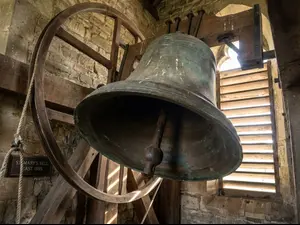
bell
[bel]
a hollow object that makes a ringing sound when struck

These 10 Money Moves Could Save Seniors Hundreds
Read more →

caveat
[k-av-eat]
a warning or condition attached to an agreement or statement.

ennui
[ahn-wee]
a feeling of utter weariness and discontent resulting from satiety or lack of interest; boredom

sanctimonious
[sangk-tuh-moh-nee-uhs]
making a hypocritical show of religious devotion, piety, righteousness

snickersnee
[snik-er-snee]
a knife, especially one used as a weapon.

frieze
[freez]
any decorative band at the top or beneath the cornice of an interior wall, a piece of furniture, etc.

philosophize
[fi-los-uh-fahyz]
to speculate or theorize, usually in a superficial or imprecise manner

cinematic
[sin-uh-mat-ik]
having to do with movies, as either an industry or an art form

betrothed
[bih-trohthd]
engaged to be married

insouciance
[in-soo-see-uhns]
the quality of being insouciant; lack of care or concern; indifference
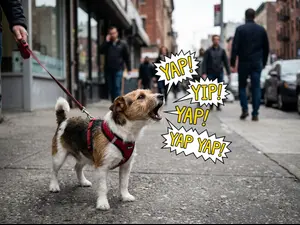
yap
[y-ap]
to bark sharply or shrilly, often referring to small dogs; also used informally for talking excessively.

moot
[moot]
subject to debate, dispute, or uncertainty

parlous
[pahr-luhs]
obsolete; clever; shrewd