
burrow
verbto lodge in a burrow
What Makes This Word Tick
Ah, "burrow." Not just a cozy-sounding word, but an entire lifestyle for the recluse at heart-quite literally. It's a term that calls to mind secluded spaces and safe havens, where you can curl up away from the world's hubbub. A burrow isn't just a hole in the ground; it's an architecturally sophisticated affair for the animal engineer.
If Burrow Were a Person…
Imagine Burrow as a gentle, introverted soul who's most at home when alone. They'd be the type to host book clubs in the comfort of their own home, only with invitations thrown to the wind for an audience of none. A friend you can trust with your quietest secrets, Burrow has a knack for creating cozy, inviting atmospheres wherever they tread.
How This Word Has Changed Over Time
The essence of "burrow" hasn't shifted much over the centuries. Born out of the Old English "burg," meaning a fortified place or settlement, it has always had a homey connotation. Over time, it moved from describing human dwellings to the habitats of our smaller, furrier friends.
Old Sayings and Proverbs That Use Burrow
Though proverbs with "burrow" aren't exactly filling the pages of antiquity, the notion of "going underground" frequently pops up in wisdom across cultures, embodying the burrow's concept of seeking shelter and introspection.
Surprising Facts About Burrow
Did you know that some burrows are climate-controlled? Animals like the prairie dog design their extensive tunnel systems for ventilation, proving that being a homeowner comes naturally to some wildlife! Plus, historically, burrowing animals have influenced eco-regions by aerating the soil and improving water infiltration.
Out and About With This Word
Next time you're in a park or wooded area, keep an eye out for signs of burrows. They often manifest as mounds of dirt with little entrances-nature's condo complexes! Remember to tread lightly; those burrows are someone's living room.
Pop Culture Moments Where Burrow Was Used
Who could forget the iconic rabbit hole or burrow from Lewis Carroll's "Alice's Adventures in Wonderland"? It's the quintessential gateway to whimsy. Additionally, in J.K. Rowling's Harry Potter series, The Burrow serves as the warm, lived-in Weasley family home.
The Word in Literature
"Burrow" weaves its way into genres that explore introspection and solitude. It tends to show up in nature writing and tales where characters seek refuge or hidden truths. Think of it as a literary hard hat for exploring the secret spaces beneath life's surface.
Moments in History with Burrow
In World War I, soldiers often found themselves hunkered down in trenches that closely resembled animal burrows, a somber testament to the word's protective essence. The instinct to dig in and shelter from chaos transcended species during those turbulent times.
This Word Around the World
In Australia, a "wombat" creates a comfy burrow, while in the U.K., "burrow" can also refer to a hill. Meanwhile, in Japan, the term "ana" covers all manner of cave-like spaces, embracing the idea of retreat. Each culture adds its spin, grounding the term in local geography and fauna.
Where Does It Come From?
"Burrow" digs its roots in the Old English "burg," which finds kin in words like "borough" (an area or district), suggesting a common theme of habitation and community. Over time, the definition narrowed to the animal-friendly term we hold dear today.
How People Misuse This Word
Folks sometimes confuse "burrow" with "burro," a gentle creature of the equine family. A burro might haul supplies up a mountain, but it certainly isn't digging any holes!
Words It's Often Confused With
- Burro: A donkey, not a type of hole.
- Burrow and Burrowed: Sometimes mistaken as past verbs instead of a noun.
- Borrow: People might swap this with "burrow" in a hurried conversation.
Additional Synonyms and Antonyms
Synonyms include "den," "hole," and "lair," each offering a slightly different take on an underground lair. Opposites would be "exposed" or "uncovered," the antithesis of the cozy, hidden burrow.
Want to Try It Out in a Sentence?
"The rabbit darted into its burrow, disappearing from sight with the flick of its furry white tail." A perfect illustration of the word's comforting, protective nature!
Explore more words
11 Dumbest Things Middle-Class Americans Waste Money On
See what to cut →

charlatan
[shahr-luh-tn]
a person who pretends or claims to have more knowledge or skill than he or she possesses; quack

shambolic
[sham-bah-lik]
chaotic, disorganized, or confused

Little-Known Money Hacks That Could Save You Hundreds
Review the list →

Is Staying With the Same Insurer Costing You More?
Explore Your Options →

chillax
[chi-laks]
to calm down; relax; chill

unctuous
[uhngk-choo-uhs]
characterized by excessive piousness or moralistic fervor, especially in an affected manner; excessively smooth, suave, or smug

These 10 Money Moves Could Save Seniors Hundreds
Read more →

cross
[kr-oss]
annoyed, angry, or irritated.

spurious
[spyoor-ee-uhs]
not being what it purports to be; false or fake

disjointed
[dis-joyn-tid]
lacking order or connection

cicerone
[sis-uh-roh-nee]
a guide who gives information about antiquities and places of interest to sightseers
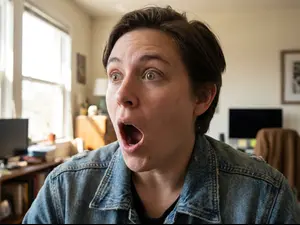
gape
[gayp]
to stare with an open mouth in amazement
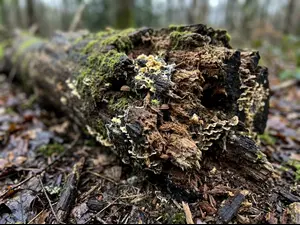
decay
[d-ek-ay]
the process of rotting or breaking down; also refers to a decline in quality or power.

hesitation
[hez-i-tay-shun]
the act of pausing before acting or speaking

rapscallion
[rap-skal-yuhn]
a rascal; rogue; scamp

veracity
[vuh-ras-i-tee]
habitual observance of truth in speech or statement; truthfulness
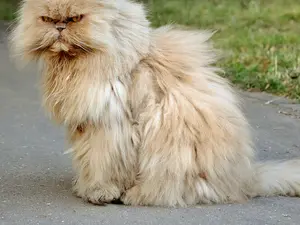
irascible
[ih-ras-uh-buhl]
having or showing a tendency to be easily angered

interpolate
[in-tur-puh-leyt]
to introduce (something additional or extraneous) between other things or parts; interject; interpose; intercalate

pack
[pak]
a group of animals or things, or to place items together