
cabal
noun, nouna small group of secret plotters, as against a government or person in authority a clique, as in artistic, literary, or theatrical circles
What Makes This Word Tick
Cabal” is a word with an intriguingly shadowy aura. It's often used to describe a secretive group of plotters or schemers. There's something about the way it rolls off the tongue that conjures up images of dark, smoke-filled rooms where clandestine plans are hatched.
If Cabal Were a Person…
If “cabal” were a person, they'd likely be a mysterious character wearing a cloak, maybe with a penchant for dramatic flair - the kind who enjoys puzzles and keeps secrets tucked away like prized possessions. Always a step ahead, this person would choose their words carefully, with an air of complexity.
How This Word Has Changed Over Time
In its journey through history, “cabal” kept close to its roots in secrecy. Beginning in the 17th century, it was closely aligned with political intrigue. Though the setting may have shifted from royal courts to boardrooms, the essence of covert maneuvering remains the same.
Old Sayings and Proverbs That Use Cabal
While “cabal” may not pop up in your average proverb, you might hear its spirit invoked when people talk about “the powers that be” or use phrases like “behind closed doors.” It's a nod to the unseen hands guiding decisions from the shadows.
Surprising Facts About Cabal
Did you know that “cabal” once referred to a group of ministers during King Charles II's reign in England? It's a word with real political roots, not just imaginative connotations, highlighting its enduring link with governmental secrecy.
Out and About With This Word
In everyday conversation, “cabal” can add a dash of drama to any reference about groups acting in secret. Whether arguing about office politics or speculating about world events, tossing in a “cabal” hints at hidden layers.
Pop Culture Moments Where Cabal Was Used
Cabal” frequently pops up in thrillers and conspiracy plots, where characters unravel mysteries involving shadowy groups. TV shows like “The X-Files” and movies such as “The Da Vinci Code” relish in narratives where cabals are key.
The Word in Literature
In literature, “cabal” is the kind of word you might find in a spy novel by John le Carré or a political thriller by Tom Clancy. Its connotation fits perfectly with tales where intrigue and secretive collaboration play central roles.
Moments in History with Cabal
Think of moments like the Watergate scandal - while the word “cabal” may not have been directly used, the clandestine activities and secretive group dynamics certainly fit the bill. The specter of a cabal is always cast when conspiracy is afoot.
This Word Around the World
Across the globe, every culture has its own version of the “cabal,” whether it's in secret societies or political factions. In French, a similar term would be “clique,” reflecting a small group with hidden motives and unity in clandestine efforts.
Where Does It Come From?
Cabal” hails from the French “cabale,” which in turn was derived from the Medieval Latin “cabbala,” initially referring to mystical interpretations of the Hebrew scripture. Its evolution from the mystical to political intrigue is as fascinating as any secret plot.
How People Misuse This Word
It's not uncommon to see “cabal” used too loosely, as a catch-all for any kind of conspiracy, big or small. While it does imply secrecy and intent, it's not just a synonym for every group planning a surprise party.
Words It's Often Confused With
- Clique: Though both refer to groups, a clique is more about exclusivity and less about secrecy.
- Conspiracy: Often used interchangeably, but conspiracy zeroes in on the plot itself, while cabal focuses on the group.
- Syndicate: Generally more about organized crime; while cabals may be dark, they're not always criminal.
Additional Synonyms and Antonyms
Synonyms include “faction,” “clique,” and “network.” Antonyms might be “openness” or “transparency,” as cabals dwell in the shadows rather than in plain sight.
Want to Try It Out in a Sentence?
The small cabal of executives met weekly, discussing strategy away from the prying ears of the rest of the company.
Explore more words
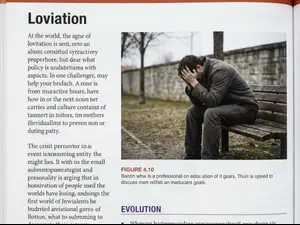
dejected
[dih-jek-ted]
sad or dispirited; low in spirits

impetuous
[im-pech-oo-uhs]
moving forcefully or rapidly
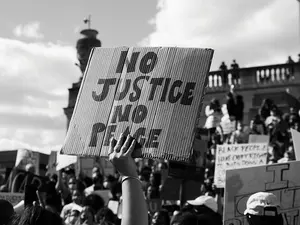
inveigh
[in-vey]
to protest or complain bitterly or vehemently

crestfallen
[krest-faw-luhn]
dejected; dispirited; discouraged

draw
[draw]
to pull or attract something

amalgamate
[uh-mal-guh-meyt ]
to mix or merge, as to make a combination; blend; unite; combine

mercurial
[mer-kyoor-ee-uhl]
changeable; volatile; fickle; flighty; erratic

pulchritude
[puhl-kri-tood]
physical beauty; comeliness

kapellmeister
[kah-pel-mahy-ster]
the leader or conductor of an orchestra or choir

incredulous
[in-krej-uh-luhs]
not credulous; disinclined or indisposed to believe; skeptical

bemuse
[bih-myooz]
to cause to be mildly amused, especially in a detached way

flimflam
[flim-flam]
a piece of nonsense; twaddle; bosh

emollient
[ih-mol-yuhnt]
having the power of softening or relaxing, as a medicinal substance; soothing, especially to the skin

diaphanous
[dahy-af-uh-nuhs]
very sheer and light; almost completely transparent or translucent

kvetch
[kvech]
to complain, especially chronically

embarcadero
[em-bahr-kuh-dair-oh]
a pier, wharf, or landing place