
episodic
nounoccurring in separate, often loosely connected episodes; irregular or sporadic.
What Makes This Word Tick
Episodic describes something that happens in separate stretches, not as one smooth, continuous flow. It often suggests gaps, starts and stops, or parts that connect only loosely. Compared with continuous, episodic feels patchier and more irregular, even if the overall theme stays the same.
If Episodic Were a Person…
Episodic would be the friend who shows up in bursts—fully present, then gone for a while, then back again like nothing happened. They don’t move in a straight line; they move in chapters. You learn to expect breaks, but also to enjoy each distinct moment.
How This Word Has Changed Over Time
Episodic has stayed centered on the idea of being broken into episodes or occurring in irregular intervals. Modern use often applies it beyond storytelling to patterns like symptoms, events, or effort that come and go. The sense remains about separation and recurrence rather than steady continuity.
Old Sayings and Proverbs
A proverb-style idea that matches episodic is that some things arrive in waves, not as a steady stream. This reflects the meaning because episodic patterns have pauses and returns rather than uninterrupted flow.
Surprising Facts
Episodic can describe structure (like a narrative told in segments) or timing (like something that happens sporadically). It often implies you can point to distinct “parts” rather than one continuous stretch. The word is especially useful when the irregular pattern matters as much as the content itself.
Out and About With This Word
You’ll often see episodic in writing about plots, events, and patterns that come in separated installments. It’s also common in descriptions of behavior or experiences that occur intermittently rather than constantly. The word helps readers expect breaks and returns.
Pop Culture Moments Where Episodic Was Used
In pop culture, the idea of episodic shows up in stories built from distinct installments, where each part stands somewhat on its own while still contributing to a larger thread. That structure fits the meaning because the experience arrives in separate episodes rather than one continuous run.
The Word in Literature
In literary writing, episodic is often used to describe narratives that move by segments—scenes or chapters that feel like individual units. Authors may choose an episodic approach to highlight variety, jumps in time, or loosely linked adventures. The effect for the reader is a sense of distinct beats rather than a single unbroken arc.
Moments in History with Episodic
The concept behind episodic fits historical situations that unfold in bursts—periods of activity separated by lulls, pauses, or resets. It applies when events aren’t continuous but return in recurring phases. The word helps frame a pattern where interruptions are part of the story.
This Word Around the World
Across languages, this idea is usually expressed through words that mean “intermittent,” “sporadic,” or “in separate installments.” The best match depends on whether the focus is timing (irregular intervals) or structure (separate parts).
Where Does It Come From?
The inventory traces episodic through Latin with a Greek origin, tying it to the idea of episodes as separate units. In modern English, it keeps that segmented feel—whether you’re talking about story structure or on-and-off occurrence.
How People Misuse This Word
Episodic is sometimes used to mean simply “short,” but the key idea is separation into episodes or irregular recurrence, not duration. Something can be long and still episodic if it comes in distinct installments. If the point is just briefness, words like short-lived may be clearer.
Words It’s Often Confused With
Episodic is often confused with periodic, but periodic suggests a regular schedule, while episodic can be irregular. It’s also close to intermittent, which emphasizes on-and-off timing more than the idea of discrete “episodes.” Serialized overlaps in storytelling, but serialized often implies planned installments, while episodic can feel looser.
Additional Synonyms and Antonyms
Additional Synonyms: fragmentary, broken, discontinuous, stop-and-start Additional Antonyms: steady, unbroken, sustained, nonstop
Want to Try It Out in a Sentence?
"The episodic plot was disjointed, with each chapter feeling like an episodic story."
Explore more words
11 Dumbest Things Middle-Class Americans Waste Money On
See what to cut →

patronize
[pey-truh-nahyz]
to adopt an air of superiority and condescension toward someone.

blessed
[bles-id]
made holy or endowed with happiness

Little-Known Money Hacks That Could Save You Hundreds
Review the list →

Is Staying With the Same Insurer Costing You More?
Explore Your Options →

obfuscation
[aab-fuh-skay-shn]
the act or an instance of making something obscure, dark, or difficult to understand

austere
[aw-steer]
(of living conditions or a way of life) having no comforts or luxuries; harsh or ascetic

These 10 Money Moves Could Save Seniors Hundreds
Read more →

oracle
[awr-uh-kuhl]
a priest or priestess acting as a medium through whom advice or prophecy was sought from the gods in classical antiquity

insouciant
[in-soo-see-uhnt]
free from concern, worry, or anxiety; carefree; nonchalant

apotheosis
[uh-poth-ee-oh-sis]
the ideal example

mellow
[mel-oh]
made gentle and compassionate by age or maturity; softened

encroaching
[en-kroh-ching]
advancing beyond proper, accepted, or usual limits; making gradual inroads into or onto something
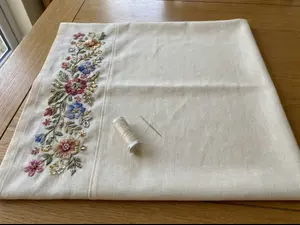
embellishment
[emb-ell-ishm-ent]
a decorative detail or feature added to enhance appearance or effect.

rigmarole
[rig-muh-rohl]
confused, incoherent, foolish, or meaningless talk

neutralize
[noo-truh-lahyz]
to make (something) ineffective; counteract; nullify
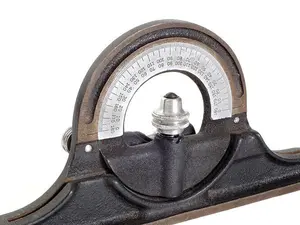
clinometer
[klahy-nom-i-ter]
an instrument used for measuring the angle or elevation of slopes

tarnish
[tahr-nish]
to lose or cause to lose luster, especially as a result of exposure to air or moisture

conflagration
[kon-fluh-grey-shuhn]
a destructive fire, usually an extensive one

tantalize
[tan-tl-ahyz]
to torment with, or as if with, the sight of something desired but out of reach; tease by arousing expectations that are repeatedly disappointed