formless
nounwithout a clear shape or structure; amorphous or undefined.
What Makes This Word Tick
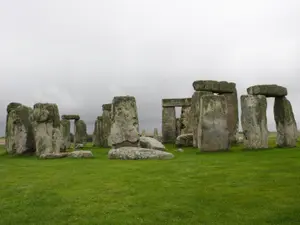
Formless describes something without a clear shape or structure—amorphous, undefined, and hard to outline. It can be physical (a blob, a misty figure) or conceptual (a plan that never takes shape). Compared with vague, formless emphasizes the absence of structure, not just unclear details.
If Formless Were a Person…
Formless would be the drifter who never settles into a routine or a clear identity. They’re present, but hard to pin down—always shifting just out of reach. Being around them feels like trying to hold water in your hands.
How This Word Has Changed Over Time
Formless has remained closely tied to the idea of lacking shape or structure. Modern use often extends it beyond physical form to describe ideas or situations that feel undefined. The meaning stays steady: no clear form to grasp.
Old Sayings and Proverbs
A proverb-style idea that fits formless is that without structure, things are hard to build on. That matches the word because formlessness makes it difficult to define edges, direction, or purpose.
Surprising Facts
Formless can be neutral (simply describing shape) or critical (suggesting a lack of organization). It often implies difficulty: if something is formless, you can’t easily measure it, categorize it, or plan around it. The word is useful when “unclear” isn’t strong enough to show the missing structure.
Out and About With This Word
You’ll see formless in art and design talk, in descriptions of fog, shadows, and fluid materials, and in writing about ideas that haven’t taken shape. It fits when the key point is the lack of outline or organization. The tone can be descriptive or slightly judgmental, depending on context.
Pop Culture Moments Where Formless Was Used
In pop culture, the concept of formlessness often shows up as an unsettling presence—something shifting, undefined, and hard to see clearly. That reflects the definition because the lack of clear shape creates uncertainty and tension.
The Word in Literature
In literary writing, formless is often used to create atmosphere, especially when authors want a scene to feel uncertain or ungraspable. It can blur boundaries—between shapes, emotions, or intentions—making readers lean in and question what they’re seeing. The word’s power comes from withholding structure, which can heighten unease or mystery.
Moments in History with Formless
Throughout history, the idea of something formless fits periods of uncertainty, when plans, movements, or situations lack clear organization and direction. It applies whenever people struggle to define what they’re dealing with because structure hasn’t emerged yet. The definition connects directly: without shape or structure, clarity is hard to achieve.
This Word Around the World
Across languages, this idea is usually expressed through words meaning “shapeless,” “amorphous,” or “undefined,” with choices depending on whether the context is physical form or abstract organization. Expression varies because some languages separate “no shape” from “no structure” more clearly.
Where Does It Come From?
The inventory lists a Latin origin for formless, but the specific etymology detail provided is not clearly confirmable as stated. Even so, the modern sense is transparent: lacking a clear form or structure.
How People Misuse This Word
Formless is sometimes used when people mean merely simple or minimal, but it specifically means lacking a clear shape or structure. A minimalist design can be highly structured, so formless would be the wrong label there. Using formless suggests the outline or organization is missing.
Words It’s Often Confused With
Formless is often confused with vague, but vague can still have structure while details are unclear. It’s also close to shapeless, which focuses more narrowly on physical outline, while formless can also suggest missing organization. Amorphous overlaps strongly, often serving as a near-synonym in both physical and abstract contexts.
Additional Synonyms and Antonyms
Additional Synonyms: indistinct, unshaped, nebulous, unformed Additional Antonyms: orderly, well-defined, shaped, structured
Want to Try It Out in a Sentence?
"The sculpture appeared formless, with no discernible shape or structure."
Explore more words

11 Dumbest Things Middle-Class Americans Waste Money On
See what to cut →

ample
[am-pul]
more than enough; abundant

effusive
[ih-fyoo-siv]
unduly demonstrative; lacking reserve

Little-Known Money Hacks That Could Save You Hundreds
Review the list →

Is Staying With the Same Insurer Costing You More?
Explore Your Options →

insolent
[in-suh-luhnt]
impudent, contemptuous

greasy
[gr-easy]
covered with or resembling grease; oily or slippery.

These 10 Money Moves Could Save Seniors Hundreds
Read more →
tory
[tawr-ee]
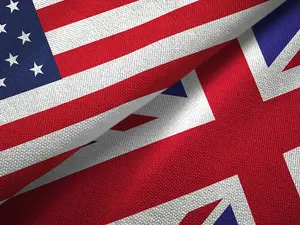
an American colonist who supported the British side during the American Revolution
case
[k-as-e]
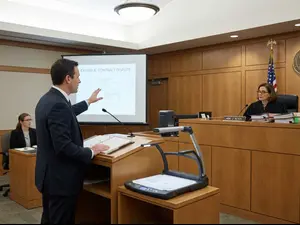
a container or situation designed for a specific purpose; also refers to an instance or example.

opaque
[oh-peyk]
not able to be seen through; not transparent or clear

respite
[res-pit]
a delay or cessation for a time, especially of anything distressing or trying; an interval of relief

galvanize
[gal-vuh-nahyz]
to stimulate by or as if by a galvanic current

arable
[ar-uh-buhl]
capable of producing crops; suitable for farming; suited to the plow and for tillage

peremptory
[puh-remp-tuh-ree]
leaving no opportunity for denial or refusal; imperative

scoundrel
[sk-oundr-el]
a dishonest or morally corrupt person.