
garrulous
adjectiveexcessively talkative, especially on trivial matters
What Makes This Word Tick
"Garrulous" is a delightfully descriptive word used to portray someone who just loves to chit-chat. It's typically aimed at folks who are a bit too generous with their words, rambling on about anything and everything. Whether it's a family gathering or a book club meeting, a garrulous person will ensure there's never a dull moment.
If Garrulous Were a Person…
Imagine a lively fellow named Gary, who sincerely believes that silence is a waste of potential airwaves. Gary is the type of person who can turn a trip to the grocery store into a three-act play. His stories might go off-topic, but they always come with a nugget of amusement or wisdom.
How This Word Has Changed Over Time
Originating from Latin roots, "garrulous" has danced through languages and centuries while keeping its essence intact: talkativeness. Over time, it's gained a connotation of excessive or tedious chatter, but it never quite lost that charm of jovial banter that makes gatherings lively.
Old Sayings and Proverbs That Use Garrulous
Though not prevalent in proverbs, similar sayings exist that capture its spirit, like "A still tongue makes a wise head," warning of the pitfalls of over-talking. In contrast, reflections on "silver tongues" show the allure of articulate speech, which the garrulous might admire.
Surprising Facts About Garrulous
A curious fact about being garrulous is that it's been linked positively to social bonds and networking. While excessive chatter might seem overwhelming, it often helps people form connections and even improve cognitive function as they age.
Out and About With This Word
You might encounter "garrulous" in a cafe where regulars know the staff by name or at a family reunion where storytelling is the main event. It thrives in places buzzing with conversation – think lively dinner parties instead of quiet reading nooks.
Pop Culture Moments Where Garrulous Was Used
Television gives us plenty of characters who are charmingly garrulous. Consider Lorelai Gilmore from "Gilmore Girls," whose rapid-fire dialogue epitomizes affectionate verbosity, making her a beloved character who's far from dull.
The Word in Literature
In literature, "garrulous" often describes characters who add humor, tension, or a layer of humanity with their endless talk. It's the trait of a likeable who can't help but share – reminiscent of Salinger's Holden Caulfield, who fills pages with youthful, earnest chatter.
Moments in History with Garrulous
Think of historical gatherings where speeches went on for hours – like the Lincoln-Douglas debates. Though not all speakers were garrulous, the breadth and detail of discussion hark back to a time where prolonged conversation was both expected and celebrated.
This Word Around the World
Though every culture has its equivalent of a chatterbox, in Japan, such a person might be called "oshaberi na," and in Germany, a "Schwätzer." No matter the language, knowing when to speak and when to listen can be a universal challenge.
Where Does It Come From?
"Garrulous" starts its journey with the Latin root "garrulus," meaning "talkative," directly stemming from "garrīre," meaning "to chatter." It's a word that's retained its lively essence across centuries and languages.
How People Misuse This Word
People sometimes use "garrulous" simply to mean talkative without the hint of excess or loquaciousness it implies. Unlike friendly chat, it often nudges toward unwelcome verbosity, a nuance that's occasionally lost in casual speech.
Words It's Often Confused With
- Talkative: While both imply a fondness for speaking, garrulous suggests excessive talking.
- Loquacious: More elegant sounding, but similar in meaning; garrulous is usually less flattering.
- Verbose: Focuses more on wordiness, especially in writing, whereas garrulous is about spoken chatter.
Additional Synonyms and Antonyms
Synonyms for "garrulous" include jabbering, prolix, and wordy. Its antonyms are reticent, silent, and taciturn, highlighting the vast landscape between speaking wisely and overindulgence in words.
Want to Try It Out in a Sentence?
Next time you're at a dinner party with a particularly chatty guest, you might think, "Margaret's garrulous nature ensured that not a moment passed without some delightful, if meandering, tale."
Explore more words
11 Dumbest Things Middle-Class Americans Waste Money On
See what to cut →
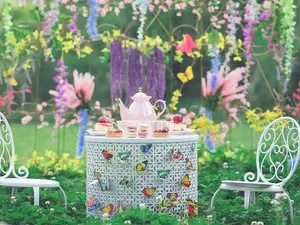
whimsical
[hwim-zi-kuhl]
given to whimsy, capricious humor, excessively playful expression, or fanciful notions; capricious
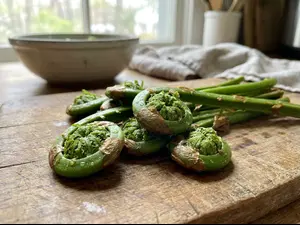
fiddlehead
[fid-l-hed]
one of the young unfurling fronds of certain ferns that are often eaten as greens.

Little-Known Money Hacks That Could Save You Hundreds
Review the list →

Is Staying With the Same Insurer Costing You More?
Explore Your Options →

lament
[luh-ment]
to feel or express sorrow or regret for

grift
[grift]
a group of methods for obtaining money falsely through the use of swindles, frauds, dishonest gambling, etc.

These 10 Money Moves Could Save Seniors Hundreds
Read more →

austere
[aw-steer]
(of living conditions or a way of life) having no comforts or luxuries; harsh or ascetic

prop
[pr-op]
an object used for support or as part of a performance; also refers to giving assistance or reinforcement.

askance
[uh-skans]
with suspicion, mistrust, or disapproval

accretion
[uh-kree-shuhn]
an increase by natural growth or by gradual external addition; growth in size or extent

coulee
[koo-lee]
a deep ravine

muse
[myooz]
to comment thoughtfully or ruminate upon

mezzanine
[mez-uh-neen]
the lowest balcony or forward part of such a balcony in a theater

withhold
[with-hold]
to refuse to give something
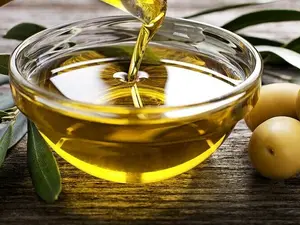
unctuous
[uhngk-choo-uhs]
of the nature of or characteristic of an unguent or ointment; oily; greasy

infodemic
[in-foh-dem-ik]
a massive amount of widely and rapidly circulating information about a particular crisis or controversial issue, consisting of a confusing combination of fact, falsehood, rumor, and opinion

energized
[en-er-jyzd]
filled with energy or enthusiasm

mellow
[mel-oh]
made gentle and compassionate by age or maturity; softened