
gaze
verbto look steadily and intently at something
What Makes This Word Tick
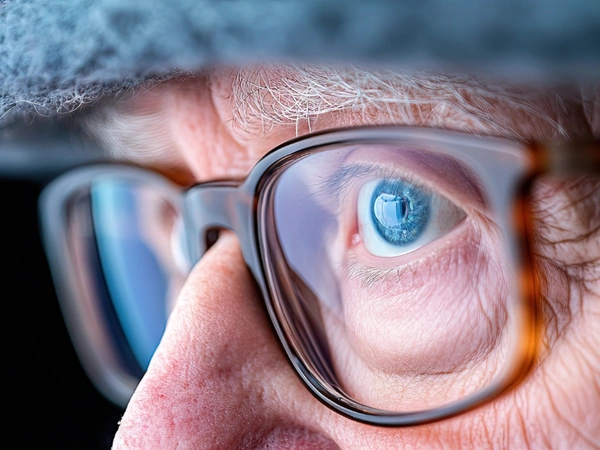
To gaze is to look steadily and intently, as if your attention has settled and won’t let go. It often suggests focus plus feeling—curiosity, admiration, or thoughtfulness—depending on what’s being watched. Compared with glance, gaze takes time and implies absorption.
If Gaze Were a Person…
Gaze would be the quiet observer who lingers at the edge of the moment, taking everything in. They don’t rush or skim; they stay until the details start to mean something. Being near them feels like slowing down on purpose.
How This Word Has Changed Over Time
Gaze has stayed centered on steady, intent looking. Modern usage keeps the same idea, often adding an emotional undertone when someone gazes at something they find striking. The meaning remains consistent because the behavior it names is easy to recognize.
Old Sayings and Proverbs
A proverb-style idea that matches gaze is that what you look at long enough starts to shape what you notice and value. This reflects gaze because it isn’t casual looking; it’s attention held in place.
Surprising Facts
Gaze often appears with prepositions like at or into, which helps show both the target and the depth of attention. It can sound more deliberate and expressive than look, even when describing the same action. The word is especially common in descriptive writing because it suggests duration and focus without needing extra explanation.
Out and About With This Word
You’ll see gaze in storytelling, personal reflection, and descriptions of scenes where someone is absorbed by a sight, a person, or an idea. It’s also common in conversations about art, nature, and moments of admiration. The word fits best when the looking is steady and intent, not quick or distracted.
Pop Culture Moments Where Gaze Was Used
In pop culture, gazing often shows up in “pause and take it in” moments—characters looking at a horizon, a memory trigger, or someone they’re drawn to. That reflects the definition because the look is steady, not fleeting, and it signals focus.
The Word in Literature
In literary writing, gaze is often used when authors want to slow pacing and spotlight attention as an emotional or descriptive tool. It can deepen mood—wonder, longing, suspicion—because a steady look implies something matters. The word helps readers feel the sustained focus, as if the scene is held still for a beat.
Moments in History with Gaze
Throughout history, the concept behind gaze appears in situations where observation carries weight—studying a landscape, watching a crowd, or focusing on an object of significance. It fits because the defining feature is sustained, intent looking rather than quick scanning. In many historical settings, the gaze can signal attention, contemplation, or scrutiny.
This Word Around the World
Many languages distinguish between quick looking and sustained, intent looking, often using a separate verb for the “held” quality of a gaze. The closest equivalents usually emphasize duration and focus, sometimes adding an emotional note like admiration or contemplation.
Where Does It Come From?
Gaze is noted as having Scandinavian ties, linked to an Old Norse verb meaning to stare. That background matches the modern meaning of steady, intent looking.
How People Misuse This Word
Gaze is sometimes used when someone simply looks briefly, but the word implies sustained attention. If the action is quick, glance is a better fit.
Words It’s Often Confused With
Gaze is often confused with stare, but stare can sound more fixed or intrusive, while gaze can feel softer or more reflective. It’s also close to peer, which implies effort to see clearly, not just sustained attention. Glance is the opposite in speed: a glance is quick, a gaze lingers.
Additional Synonyms and Antonyms
Additional Synonyms: regard, watch, study, behold Additional Antonyms: avert one’s eyes, turn away, disregard
Want to Try It Out in a Sentence?
"She couldn’t help but gaze at the stunning sunset over the ocean."
Explore more words
11 Dumbest Things Middle-Class Americans Waste Money On
See what to cut →

recline
[ri-klahyn]
to lean or lie back; rest in a recumbent position

mesmerizing
[mez-muh-rahy-zing]
hypnotic or hypnotizing; having a trancelike effect similar to hypnosis
Little-Known Money Hacks That Could Save You Hundreds
Review the list →

Is Staying With the Same Insurer Costing You More?
Explore Your Options →

moot
[moot]
of little or no practical value, meaning, or relevance; purely academic

arbitrary
[ahr-bi-trer-ee]
subject to individual will or judgment without restriction; contingent solely upon one's discretion
These 10 Money Moves Could Save Seniors Hundreds
Read more →

fluster
[fluhs-ter]
to put into a state of agitated confusion

furtive
[fur-tiv]
characterized by stealth; sly and secretive
supreme
[soo-preem]
highest in rank, power, or quality

retort
[ri-twart]
to reply to, usually in a sharp or retaliatory way

analogous
[uh-nal-uh-guhs]
similar but not identical

serendipitous
[ser-uhn-dip-i-tuhs]
come upon or found by accident; fortuitous
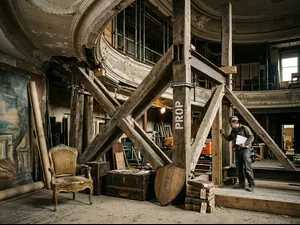
prop
[pr-op]
an object used for support or as part of a performance; also refers to giving assistance or reinforcement.

maritime
[mar-i-tahym]
associated with the sea or waterways to the sea in relation to navigation, shipping, etc.

demur
[dih-mur]
to make objection, especially on the grounds of scruples; take exception; object

milquetoast
[milk-tohst]
a very timid, unassertive, spineless person, especially one who is easily dominated or intimidated

bathrobe
[bath-rohb]
a loose-fitting garment worn after bathing

emulate
[em-yuh-leyt]
to try to equal or excel; imitate with effort to equal or surpass