hasten
verbto move or act with haste; proceed with haste; hurry
What Makes This Word Tick
"Hasten" is a word that brings with it the energy of urgency and speed. It's all about making things happen faster, whether it's urging on a physical movement or speeding up an event. Picture someone in a bit of a hustle, trying to get to a well-loved place on time.
If Hasten Were a Person…
Hasten might be the ever-busy friend who always seems to be in a hurry, encouraging everyone around them to keep up. They have a knack for bringing a sense of urgency and enthusiasm wherever they go.
How This Word Has Changed Over Time
Originally from the Middle English word “hastenen,” it hasn't altered much over the centuries in its purpose-speeding things up-but its nuance has grown. While once purely about physical motion, it now spans decisions and processes.
Old Sayings and Proverbs That Use Hasten
The phrase "Hasten slowly," which paradoxically advises caution even amidst speed, springs to mind. There's wisdom in recognizing that not everything is improved by speeding up.
Surprising Facts About Hasten
Did you know "hasten" can imply not just speeding things up but also making something begin sooner? It's a versatile word that often carries a sense of urgency but also suggestion.
Out and About With This Word
You might hear "hasten" at airports, where there's almost always a need to hurry-whether it's folks rushing to catch a flight or announcements urging passengers to hasten their way to the gate.
Pop Culture Moments Where Hasten Was Used
From films where characters shout, "Hasten, before it's too late!" to song lyrics urging a quickened pace, this word has had its moments in the spotlight, adding drama just when needed.
The Word in Literature
"Hasten" fits well into dramatic literature, urging characters into action. Think of thrilling novels or poems where time is of the essence, and the anxiety of a race against the clock is palpable.
Moments in History with Hasten
One could say that during historic events like the signing of important agreements or the declaration of independence, the essence of "hasten" was in the air, pressing leaders to act before opportunities slipped away.
This Word Around the World
In French, “hâter” carries a similar meaning, while in Spanish, “apresurar” does the job. Many cultures have equivalent words to express the universal experience of needing things done quickly.
Where Does It Come From?
Coming from the Middle English "hastenen," which itself stems from Old French and further back to a Germanic root, “hasten” has linguistic ties to concepts of speed and urgency through time.
How People Misuse This Word
Sometimes "hasten" is used where "hurry" might be more appropriate-hasten implies more than just doing something quickly; it often suggests starting something sooner, too.
Words It's Often Confused With
- Hurry: While both imply speed, "hasten" can suggest instigating action as well as quickening.
- Rush: Generally more colloquial and less formal than "hasten," often used when time is of the essence.
- Speed: Denotes quickness but lacks the initiation or added motivational nuance of "hasten."
Additional Synonyms and Antonyms
Synonyms include expedite, accelerate, and quicken, while antonyms are decelerate, delay, and stall.
Want to Try It Out in a Sentence?
You might say, "We must hasten our preparations if we're to be ready for the early snowfall predicted this weekend."
Explore more words
11 Dumbest Things Middle-Class Americans Waste Money On
See what to cut →

ogle
[oh-guhl]
to eye; look or stare at

act
[akt]
to take action or perform a role in a play or situation

Little-Known Money Hacks That Could Save You Hundreds
Review the list →

Is Staying With the Same Insurer Costing You More?
Explore Your Options →

mollycoddle
[mol-ee-kod-l]
to coddle; pamper

teetotaler
[tee-toht-ler]
a person who refrains from alcoholic drink

These 10 Money Moves Could Save Seniors Hundreds
Read more →

coulee
[koo-lee]
a deep ravine

exacerbation
[ig-zas-er-bey-shuhn]
the act of making a negative situation feel worse than it is
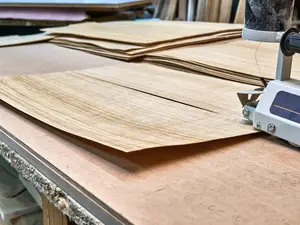
veneer
[vuh-neer]
a thin layer of wood or other material for facing or inlaying wood

ephemeral
[ih-fem-er-uhl]
lasting for a very short time

paltry
[pawl-tree]
insignificant or worthless

tory
[tawr-ee]
an American colonist who supported the British side during the American Revolution

haughty
[haw-tee]
arrogantly superior and disdainful

sagacious
[suh-gey-shuhs]
having or showing acute mental discernment and keen practical sense; shrewd