
iconoclast
nounone who attacks common beliefs or institutions
What Makes This Word Tick
Iconoclast refers to someone who challenges deeply held beliefs or established systems. The word carries a tone of disruption rather than quiet disagreement. Unlike skeptic, who questions ideas, an iconoclast actively opposes revered traditions.
If Iconoclast Were a Person…
If this word were a person, it would be someone who refuses to accept “that’s how it’s always been done.” They speak up even when it makes others uncomfortable. Their defining trait is bold challenge.
How This Word Has Changed Over Time
Iconoclast originally referred to someone who destroyed religious images. Over time, its meaning broadened to include those who attack symbolic or institutional “icons.” The modern sense focuses on ideas rather than physical objects.
Old Sayings and Proverbs
While traditional proverbs rarely use iconoclast directly, many caution against blindly following tradition. Such wisdom echoes the spirit of questioning authority.
Surprising Facts
Iconoclast once had a strictly religious context. Today it applies broadly to cultural, political, and artistic criticism. The word often suggests courage mixed with controversy.
Out and About With This Word
You’ll encounter iconoclast in discussions of reformers, artists, and thinkers who challenge norms. It appears in profiles of innovators who disrupt conventions. The term highlights tension with tradition.
Pop Culture Moments Where Iconoclast Was Used
In storytelling, an iconoclast character often sparks change by challenging accepted rules. This role drives conflict and transformation. The word underscores resistance to conformity.
The Word in Literature
Authors use iconoclast to define characters who resist dominant values. It signals ideological conflict within narratives. The term sharpens themes of rebellion and reform.
Moments in History with Iconoclast
History records individuals labeled iconoclasts for challenging political or religious systems. The word captures moments of upheaval and reform. It reflects friction between old and new ideas.
This Word Around the World
Many languages have terms for those who defy or challenge tradition. While the imagery differs, the concept of attacking revered norms is widely understood. The tone often mixes admiration and criticism.
Where Does It Come From?
Iconoclast derives from Greek eikon, meaning image, and klastes, meaning breaker. The original sense was literally “image breaker.” Its modern meaning retains the idea of symbolic destruction.
How People Misuse This Word
People sometimes use iconoclast to mean any independent thinker, but it implies active opposition to established beliefs. Mere originality does not always qualify.
Words It’s Often Confused With
Iconoclast is often confused with rebel, though rebel can oppose authority without targeting cherished ideas. It is also mistaken for innovator, which focuses on creation rather than criticism.
Additional Synonyms and Antonyms
Additional Synonyms: heretic, provocateur, reformer Additional Antonyms: adherent, loyalist, defender
Want to Try It Out in a Sentence?
"The professor was seen as an iconoclast for openly challenging long-standing academic traditions."
Explore more words

circumspect
[sur-kuhm-spekt]
watchful and discreet; cautious; prudent; well-considered

incompetent
[ink-omp-et-ent]
lacking the necessary skills, ability, or qualifications to perform a task successfully.

effortlessly
[ef-ert-lis-lee]
in a way that requires little or no effort.

chthonic
[tha-nik]
of or relating to the deities, spirits, and other beings dwelling under the earth

unload
[unl-oad]
to remove goods, cargo, or burdens from a vehicle, container, or person.

abject
[ab-jekt]
(of a person or their behavior) completely without pride or dignity; self-abasing

hazy
[hey-zee]
characterized by the presence of haze; misty

puerile
[pyoo-er-il]
childishly foolish, immature, or trivial

flibbertigibbet
[flib-er-tee-jib-it]
a frivolous, flighty, or excessively talkative person
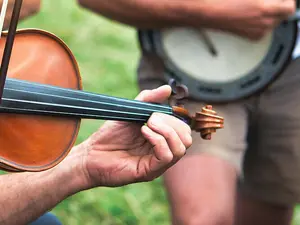
hootenanny
[hoot-n-an-ee, hoot-nan-ee]
a social gathering or informal concert featuring folk singing and, sometimes, dancing

solipsism
[sol-ip-siz-uhm]
the theory that only the self exists, or can be proved to exist

ailurophile
[ahy-loor-uh-fahyl]
a person who likes cats; cat fancier
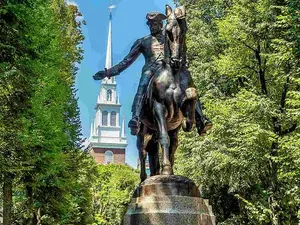
venerate
[ven-uh-reyt]
to regard or treat with reverence; revere

czar
[zahr]
a person of great power

eleemosynary
[el-uh-mos-uh-ner-ee]
relating to charity or almsgiving.

brain-teaser
[brayn-tee-zer]
a challenging puzzle or problem requiring thought to solve