
julienne
adjectivecut into thin strips, particularly vegetables
What Makes This Word Tick
Ah, "julienne" – a word that speaks the universal language of the culinary arts! When a chef juliennes, it means they're precisely cutting vegetables into long, thin strips, almost like little matchsticks. It's not only a technique but a promise of uniformity, ensuring each piece cooks evenly.
If Julienne Were a Person…
Imagine Julienne as a meticulous artist, with a keen eye for detail and a penchant for perfection. She might be the friend who organizes closet clothes by color and season – and still finds time to bake flawless soufflés.
How This Word Has Changed Over Time
Originally coined for specific cutting techniques in French cuisine, "julienne" has remained surprisingly constant in its culinary context. However, it's increasingly used metaphorically, describing anything skillfully arranged or presented.
Old Sayings and Proverbs That Use Julienne
While inherently a term of precision rather than proverbial wisdom, you might think of culinary wisdom like "The sharper the knife, the finer the julienne." It's a reminder of tools' importance in achieving excellence.
Surprising Facts About Julienne
Did you know that the julienne technique can trace its origins back to the 18th-century French royal kitchen? It's said to be named after a cook named Jean-Julien who excelled in creating this style of cut.
Out and About With This Word
Next time you're out dining and see "julienne cut" in menu descriptions, remember it's not just about style; it signifies a higher level of preparation care. It's not just food – it's a work of art!
Pop Culture Moments Where Julienne Was Used
Perhaps not a pop culture superstar, "julienne" nonetheless pops up in cooking competitions and chef documentaries, where style and precision often make the difference between winning and losing.
The Word in Literature
While "julienne" probably won't headline a novel, its essence embodies the precision in noir detective stories or the care in a romance. It's the kind of detail a character like Hercule Poirot might meticulously observe.
Moments in History with Julienne
Think of the elaborate banquets of Versailles or royal feasts during the Renaissance-julienne undoubtedly graced these tables, showcasing the pinnacle of refined cooking techniques.
This Word Around the World
While julienne is proudly French, similar techniques exist globally. In Japan, matchstick cutting is crucial for sushi garnishes, while in China, thin slicing enhances the visual beauty of dishes like hot pot.
Where Does It Come From?
Derived from French, the origin remains a bit of a culinary mystery but is rooted in the world of gastronomy. The term emphasizes tradition, yet its precision remains as relevant in modern kitchens as it was centuries ago.
How People Misuse This Word
Some might mistakenly use "julienne" to mean any type of small cut. It's more precise-a julienne should be uniform, signaling the chef's attention to detail.
Words It's Often Confused With
- Chiffonade: Misunderstood as these both involve slicing, chiffonade is more about fine ribbons, often applied to herbs.
- Brunoise: While also precise, brunoise refers to a fine dice, a step further than julienne's strips.
- Dice: A confused general term, dicing suggests cubes, distinctly different from julienne's linear cut.
Additional Synonyms and Antonyms
While synonyms like "matchstick cut" might convey the idea, there are no perfect antonyms other than perhaps "chunky," which visually and texturally opposes julienne.
Want to Try It Out in a Sentence?
"To give her salad a touch of elegance, she employed a julienne cut on the carrots, elevating the dish from the mundane to the exquisite."
Explore more words
11 Dumbest Things Middle-Class Americans Waste Money On
See what to cut →

milquetoast
[milk-tohst]
a very timid, unassertive, spineless person, especially one who is easily dominated or intimidated

shambolic
[sham-bah-lik]
chaotic, disorganized, or confused

Little-Known Money Hacks That Could Save You Hundreds
Review the list →

Is Staying With the Same Insurer Costing You More?
Explore Your Options →

penultimate
[pi-nuhl-tuh-mit]
next to the last

jubilant
[joo-buh-luhnt]
showing great joy, satisfaction, or triumph; rejoicing; exultant

These 10 Money Moves Could Save Seniors Hundreds
Read more →

animosity
[an-i-mos-i-tee]
strong hostility or dislike

aquiver
[uh-kwiv-er]
trembling with excitement or emotion

isthmus
[is-muhs]
a narrow strip of land, bordered on both sides by water, connecting two larger bodies of land

known
[kn-own]
recognized or familiar to others, often for a specific quality or achievement.

vocal
[v-ok-al]
relating to the voice or speaking; also means openly expressing opinions or ideas.

raze
[reyz]
to tear down; demolish; level to the ground

sordid
[sawr-did]
morally ignoble or base; vile

bit
[bit]
a small piece or quantity of something
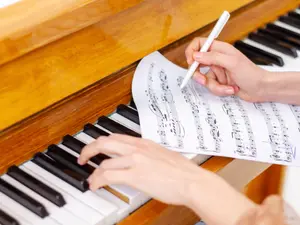
cadenza
[kuh-den-zuh]
an elaborate flourish or showy solo passage, sometimes improvised, introduced near the end of an aria or a movement of a concerto

spurious
[spyoor-ee-uhs]
not being what it purports to be; false or fake

zenith
[zee-nith]
the point in the sky or celestial sphere directly above an observer

insubordinate
[in-suh-bor-din-it]
defiant of authority; disobedient