
ken
noun, verbknow
What Makes This Word Tick
"Ken" is a deceptively simple word with a bit of a vintage vibe. It's used to refer to one's range of knowledge or understanding. It's like having your personal scope of comprehension, a mental map of the things you know well.
If Ken Were a Person…
Imagine Ken as the neighbor who knows a little about everything. He's always got an interesting trivia fact at the ready and is the go-to guy if you're ever stumped during a pub quiz. He might not be an expert, but he surely knows where to find answers.
How This Word Has Changed Over Time
"Ken" has had a fairly stable journey through the English language, primarily holding onto its meaning related to knowledge and perception. It originated in Middle English, derived from a Scandinavian word about seeing and understanding.
Old Sayings and Proverbs That Use Ken
Though not overly common in proverbs, you'll find sentiments like "beyond one's ken" to indicate something that's out of one's area of expertise or understanding. It's akin to saying, "That's beyond me!"
Surprising Facts About Ken
The word "ken" might make you think of a certain famous doll, but it's actually part of some Scottish dialects. It also connects to the verb "to ken," meaning to know, feel, or perceive in Scottish and Northern English.
Out and About With This Word
You might hear "ken" tucked neatly into conversations about learning and understanding, or in scholarly discussions where the depth of comprehension is at stake.
Pop Culture Moments Where Ken Was Used
Apart from the aforementioned plastic-fantastic Ken doll of Barbie fame, "ken" pops up in clever dialogue and book titles that play on knowing and understanding-perfect for crime dramas and mysteries.
The Word in Literature
"Ken" fits snugly into literature where characters grapple with understanding truths about themselves or the world. It's a word often found in works that explore the depths of human consciousness and psychological nuance.
Moments in History with Ken
The Renaissance period, with its explosion of knowledge and the broadening of "men's ken," seems a fitting historical moment for this word. It's a time when the human understanding of art, science, and geography significantly expanded.
This Word Around the World
While "ken" might be straightforward in English, its equivalents around the world emphasize cultural nuances in teaching and understanding. For instance, in Japanese, "wa" implies harmony in knowledge-fully appreciating things within one's ken.
Where Does It Come From?
"Ken" has roots in Old English and Norse. It's kin to the Old Norse word "kenna," which means to know or perceive. This lineage gives it a somewhat mythic Scandinavian aura.
How People Misuse This Word
Some might mistakenly use "ken" to refer broadly to knowledge, missing the subtlety that it's about one's personal range of understanding, rather than collected facts or data.
Words It's Often Confused With
- Know: While "know" is general, "ken" refers specifically to the limits of one's understanding.
- Acknowledge: To acknowledge is to recognize, but ken is about personal cognitive boundaries.
- Comprehend: Comprehending is deeper, while ken hints at what falls within or outside one's realm of understanding.
Additional Synonyms and Antonyms
- Synonyms: Grasp, understanding, insight
- Antonyms: Ignorance, misunderstanding, unawareness
Want to Try It Out in a Sentence?
"She spoke of quantum physics, admitting that much of it was beyond her ken, but her curiosity was limitless."
Explore more words

chat
[chat]
to talk informally with someone

stood
[stood]
rose to an upright position.

intransigent
[in-tran-si-juhnt]
refusing to agree or compromise; uncompromising; inflexible

inset
[in-set]
a small picture or map within a larger one

pipe
[p-ip-e]
a hollow tube used for transporting liquids, gases, or sounds; also refers to a musical instrument.

pitiable
[pit-ee-uh-buhl]
evoking or deserving pity; lamentable; miserable; contemptible
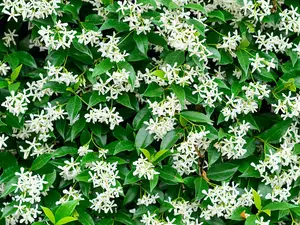
ambrosial
[am-broh-zhuhl]
exceptionally pleasing to taste or smell; especially delicious or fragrant

deference
[def-er-uhns]
respectful submission or yielding to the judgment, opinion, will, etc., of another

attitudinize
[at-i-tood-n-ahyz]
adopt or express a particular attitude or attitudes, typically just for effect

harangue
[huh-rang ]
a scolding or a long or intense verbal attack; diatribe

conterminous
[kuhn-tur-muh-nuhs]
having a common boundary

bolt
[bohlt]
a metal pin or fastener; to run away suddenly

histrionics
[his-tree-on-iks ]
dramatic representation; theatricals; acting

precocious
[pr-eco-ous]
advanced, developing ahead of time

tisane
[ti-zan]
aromatic or herb-flavored tea

punctilious
[puhngk-til-ee-uhs]
extremely attentive to punctilios; strict or exact in the observance of the formalities or amenities of conduct or actions; showing great attention to detail or correct behavior