
lucent
adjective
giving off light; glowing or translucent.
What Makes This Word Tick
Lucent can describe either a glow or a material that transmits light. The noun supplies the distinction: a lucent lamp suggests shining, while lucent glass suggests light passing through.
If Lucent Were a Person...
Lucent would open the curtains early and let daylight fill the room. They would choose clarity over decoration.
How This Word Has Changed Over Time
Lucent came into English from Latin during the late fifteenth century. It remains marked as literary in dictionary descriptions, while words such as bright and clear are more familiar in everyday conversation.
Old Sayings and Proverbs
The saying "Let there be light" does not contain lucent. It is related by subject, but the adjective itself describes a visible quality.
Surprising Facts
Lucent belongs to the same broad family of light-related words as translucent. The shared letters help connect their meanings, although translucent specifies light passing through a material more directly.
Out and About With This Word
A design writer might describe lucent glass panels in a sunlit building. The word also works in atmospheric prose about a clear glow.
Pop Culture Moments Where Lucent Was Used
It would fit naturally alongside Avatar, where glowing plants illuminate the fictional landscape. It also suits Moana, where light moving through the sea is central to the imagery. In both cases, lucent describes a visibly luminous quality.
The Word in Literature
John Keats uses lucent to describe the syrups among the richly colored refreshments in The Eve of St. Agnes. The adjective makes the food seem translucent and jewel-like, extending the poem's attention to the play of light.
Moments in History with Lucent
The medieval stained-glass windows at Chartres Cathedral turn daylight into colored illumination inside the building. Their lucent surfaces show how transmitted light could become part of a Gothic interior's visual design.
This Word Around the World
Italian lucente means shining or bright, giving lucent a recognizable counterpart in another language. Both can describe visible brilliance, though the English word also includes a translucent sense.
Where Does It Come From?
Lucent comes from Latin lucens, a form of lucere, meaning to shine. Its origin emphasizes shining, although English also uses the adjective for materials that let light pass through.
How People Misuse This Word
Lucent does not mean transparent in every context. A glowing lamp may be lucent even though one cannot see through it.
Words It's Often Confused With
Lucent and lucid look similar, but lucid usually means clear in thought or expression. Lucent primarily concerns light.
Additional Synonyms and Antonyms
Additional synonyms: radiant, translucent Additional antonyms: lightless, murky
Want to Try It Out in a Sentence?
The lucent glass caught the first sunlight of the morning.
Explore more words


vex
[veks]
to torment; trouble; distress; plague; worry

ambiguity
[am-bi-gyoo-i-tee]
the quality of being open to more than one interpretation



propitious
[pruh-pish-uhs]
presenting favorable conditions; favorable

heinous
[hay-nus]
shockingly wicked or reprehensible


droke
[drohk]
a valley with steeply sloping sides

enlarge
[en-larj]
to make something bigger or more extensive

mournful
[morn-ful]
feeling or expressing sorrow or grief

sagacious
[suh-gey-shuhs]
having or showing acute mental discernment and keen practical sense; shrewd

fiddlehead
[fid-l-hed]
one of the young unfurling fronds of certain ferns that are often eaten as greens.

veracity
[vuh-ras-i-tee]
habitual observance of truth in speech or statement; truthfulness

yarmulke
[yah-muh-kuh]
a cap worn by Orthodox and Conservative Jewish males

chicana
[chee-kah-nuh]
an american woman or girl of mexican descent.

conjecture
[kuhn-jek-cher]
the formation or expression of an opinion or theory without sufficient evidence for proof

succuss
[suh-kuhs]
to shake up

embarcadero
[em-bahr-kuh-dair-oh]
a pier, wharf, or landing place
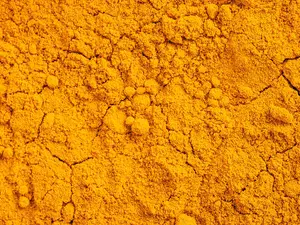
ocher
[oh-ker]
any of a class of natural earths, mixtures of hydrated oxide of iron with various earthy materials, ranging in color from pale yellow to orange and red, and used as pigments