
neglectful
adjectivefailing to care for someone or something properly
What Makes This Word Tick
Neglectful describes a failure to give proper care or attention. It can apply to people, duties, objects, animals, or responsibilities that needed looking after. The word often suggests harm caused by absence of care rather than direct action.
If Neglectful Were a Person…
Neglectful would forget the appointment, leave the plant unwatered, and miss the warning light on the dashboard. They would not always mean to cause trouble. Their damage would come from not paying attention.
How This Word Has Changed Over Time
Neglectful comes from neglect, linked to Latin neglectus, meaning disregard, with -ful added to show a tendency toward neglect. That structure fits the modern meaning. A neglectful person or habit is full of missed care.
Old Sayings and Proverbs
Neglectful is not commonly found in traditional proverbs, but its meaning fits old warnings about ignored duties. An imagined proverb-like line might be: "A neglectful hand lets the small crack become the wall." It suggests that lack of care can turn small problems into larger ones.
Surprising Facts
Neglectful does not always mean intentionally cruel. A person can be neglectful through distraction, laziness, or poor responsibility. The word focuses on the failure to care properly.
Out and About With This Word
You can use neglectful for parenting, maintenance, supervision, chores, promises, and duties. It fits homes, schools, workplaces, gardens, and public safety discussions. Use it when proper care was needed but not given.
Pop Culture Moments Where Neglectful Was Used
It would fit naturally alongside Matilda, where adults fail to give a child the care and attention she needs. It also suits Jurassic Park, where ignored safeguards and poor oversight create danger. In both cases, neglectful describes failing to care for someone or something properly.
The Word in Literature
In literature, neglectful suits guardians, leaders, owners, or communities that fail those in their care. It can describe a house, child, garden, promise, or duty left unattended. The word makes absence of care feel active in its consequences.
Moments in History with Neglectful
In a factory floor, school dormitory, hospital ward, or public office, neglectful can describe failure to maintain proper care. The setting matters because others depend on attention and responsibility. The word keeps attention on duties left undone.
This Word Around the World
Many languages have words for failing to care properly. Neglectful gives English a clear adjective for careless inattention toward responsibility. It is useful when the missing care matters.
Where Does It Come From?
Neglectful comes from neglect, linked to Latin neglectus, meaning disregard, with the suffix -ful. That origin fits the sense of being full of neglect. In modern English, neglectful means failing to care for someone or something properly.
How People Misuse This Word
Neglectful should not be used for every mistake. A single accident does not always make someone neglectful. The word works best when proper care was expected but not given.
Words It's Often Confused With
Neglectful can be confused with careless, but careless is broader. It can also overlap with negligent, though neglectful often sounds more personal or habitual. The word focuses on care that was missing.
Additional Synonyms and Antonyms
Additional synonyms: neglecting, heedless, lax, forgetful Additional antonyms: watchful, mindful, devoted, reliable
Want to Try It Out in a Sentence?
His neglectful attitude toward his responsibilities caused numerous problems.
Explore more words
11 Dumbest Things Middle-Class Americans Waste Money On
See what to cut →

jubilant
[joo-buh-luhnt]
showing great joy, satisfaction, or triumph; rejoicing; exultant

benevolent
[buh-nev-uh-luhnt]
characterized by or expressing goodwill or kindly feelings
Little-Known Money Hacks That Could Save You Hundreds
Review the list →

Is Staying With the Same Insurer Costing You More?
Explore Your Options →

cybersquatting
[sahy-ber-skwot-ing]
the registration of a commercially valuable internet domain name, as a trademark, with the intention of selling it or profiting from its use

ogle
[oh-guhl]
to eye; look or stare at

These 10 Money Moves Could Save Seniors Hundreds
Read more →
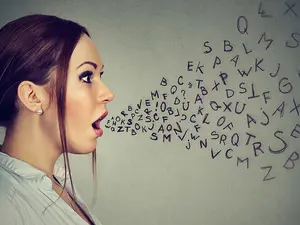
loquacious
[loh-kwey-shuhs]
talking or tending to talk much or freely; talkative; chattering; babbling; garrulous

resplendent
[ri-splen-duhnt]
attractive and impressive through being richly colorful or sumptuous

omnivore
[om-nuh-vawr]
an animal or person that eats food of both plant and animal origin.

pleonasm
[plee-uh-naz-uhm]
the use of more words than are necessary to express an idea; redundancy
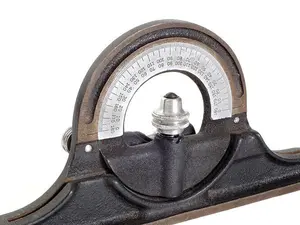
clinometer
[klahy-nom-i-ter]
an instrument used for measuring the angle or elevation of slopes

emanate
[em-uh-neyt]
to flow out, issue, or proceed, as from a source or origin; come forth; originate

belated
[bih-ley-tid]
coming or being after the customary, useful, or expected time

pretentious
[pri-ten-shuhs]
characterized by assumption of dignity or importance, especially when exaggerated or undeserved
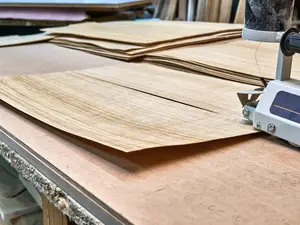
veneer
[vuh-neer]
a thin layer of wood or other material for facing or inlaying wood
homonym
[hom-uh-nim]
each of two or more words having the same spelling or pronunciation but different meanings and origins

synchrony
[sing-kruh-nee]
simultaneous occurrence; synchronism

scurrilous
[skur-uh-luhs]
humorously insulting