
penetralia
noun, nounthe most private or secret things the innermost parts or recesses of a place or thing
What Makes This Word Tick
Ah, "penetralia." It's a word that carries with it a sense of enigma and secrecy. This term refers to the innermost parts or recesses of a place, often imbued with mystery or sacredness. Imagine the hidden chambers of an ancient temple or the inner sanctum of a wise scholar's mind - that's the kind of place penetralia calls to mind.
If Penetralia Were a Person…
You'd likely find them as a reserved but intriguing individual, known for their air of mystery and depth. Perhaps they'd be the sort who enjoys long walks in hidden gardens or has a penchant for collecting age-old secrets, revealing just enough to keep everyone guessing.
How This Word Has Changed Over Time
Throughout history, "penetralia" has maintained a consistent connotation related to hidden or inner sanctums. While its usage has waned in everyday conversation, it still pops up in literary contexts, particularly in works that explore themes of mystery, faith, or the human psyche.
Old Sayings and Proverbs That Use Penetralia
While it might not feature in age-old proverbs, the concept behind penetralia - that of hidden, inner spaces - resonates with sayings like "Still waters run deep," indicating that there's often much more beneath the surface than what meets the eye.
Surprising Facts About Penetralia
This word is actually the plural form of "penetral," but it's quite rare to see the singular form. The plural usage hints at multiple chambers or layers of secrecy, offering a rich tapestry of intrigue to those who delve into it.
Out and About With This Word
You might encounter penetralia in the realms of gothic literature or in discussions about sacred architecture. Think of it like a historical treasure found in the descriptive passages of a dusty old novel or the blueprints of a medieval cathedral.
Pop Culture Moments Where Penetralia Was Used
While penetralia doesn't often make the red carpet in pop culture, it could comfortably sit in the shadowy corners of horror films or mystery novels, where hidden chambers and mysterious secrets abound.
The Word in Literature
Literary giants who lavish in the use of evocative language might employ penetralia to describe the mysterious depths of a setting or a character's mind. It fills the atmosphere with complexity and invites readers to ponder the unseen layers of a narrative.
Moments in History with Penetralia
Imagine the construction of ancient temples or the preservation of sacred texts - moments where secrets and hidden knowledge were literally and figuratively shielded from the outside world. These could well be described by penetralia's essence.
This Word Around the World
In translations, penetralia could reflect concepts tied to inner sanctums or secret chambers across cultures. For instance, the Japanese concept of "okunoma," referring to the innermost rooms, shares a thematic link.
Where Does It Come From?
"Penetralia" originates from the Latin "penetralis," meaning "inner" or "penetrating." Its roots take us deep into the heart of language itself, connecting with themes of depth and inner wisdom.
How People Misuse This Word
It's rare enough that demands misuse, but one might confuse it with words simply meaning "interior," missing its nuanced suggestion of mystery and sanctity.
Words It's Often Confused With
- Interior: While both relate to the inside, "interior" lacks the mystical or sacred connotation of "penetralia."
- Sanctuary: Although sacred, a sanctuary is often open and accessible, unlike the concealed spaces penetralia suggests.
- Core: This word refers to the central part but without the secretive element encoded in "penetralia."
Additional Synonyms and Antonyms
Synonyms might include "sanctum," "inner sanctum," or "abyss," while antonyms could be "exterior" or "periphery."
Want to Try It Out in a Sentence?
As the explorer ventured deeper into the cave, he felt as though he was entering the penetralia of an ancient world, where every echo seemed to whisper forgotten secrets lost to time.
Explore more words

11 Dumbest Things Middle-Class Americans Waste Money On
See what to cut →

unctuous
[uhngk-choo-uhs]
of the nature of or characteristic of an unguent or ointment; oily; greasy

provision
[pruh-vizh-uhn]
a stipulation (as a clause in a statute or contract) made in advance.

Little-Known Money Hacks That Could Save You Hundreds
Review the list →

Is Staying With the Same Insurer Costing You More?
Explore Your Options →

gourmand
[goor-mahnd]
a person who is fond of good eating, often indiscriminatingly and to excess

chillax
[chi-laks]
to calm down; relax; chill

These 10 Money Moves Could Save Seniors Hundreds
Read more →

apotheosis
[uh-poth-ee-oh-sis]
the elevation or exaltation of a person to the rank of a god
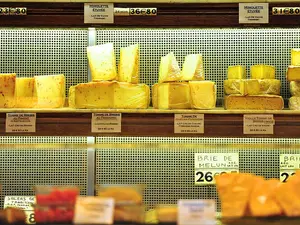
cheesemonger
[cheez-muhng-ger, cheez‐mong‐ger]
a merchant who sells cheese and other dairy products

insolent
[in-suh-luhnt]
impudent, contemptuous

bad luck
[bad luhk]
an unfortunate event or series of events

eschew
[es-choo]
to abstain or keep away from; shun; avoid

miscreant
[mis-kree-uhnt]
a vicious or depraved person; villain

copious
[koh-pee-uhs]
large in quantity or number; abundant; plentiful
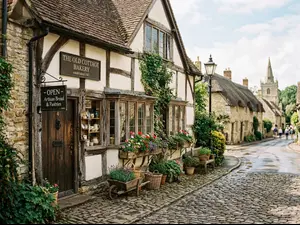
quaint
[kweynt]
attractively old-fashioned or unusual

ambivalent
[am-biv-uh-luhnt ]
having mixed feelings about someone or something; being unable to choose between two (usually opposing) courses of action

zealot
[z-eal-ot]
a person who is fanatical or uncompromising in their support for a cause or belief.

rarity
[r-ar-ity]
the state or quality of being uncommon or unique.

candy
[kan-dee]
a sweet food made with sugar and often flavoring (such as chocolate) and filling