
scamper
verbto run or go hastily or quickly
What Makes This Word Tick
"Scamper" brings to mind a lively, quick movement often associated with children or small animals. It's a verb that beautifully encapsulates an energetic dash or a playful run-think of a squirrel darting up a tree or toddlers chasing each other across the lawn.
If Scamper Were a Person…
If "scamper" were a person, it would undoubtedly be that playful, ever-youthful neighbor, always ready for a spontaneous game of tag or a quick jog through the park. They're the spirited soul whose enthusiasm is infectious, making every gathering a little more lively and fun.
How This Word Has Changed Over Time
Interestingly, "scamper" hasn't undergone significant changes in meaning over the years. It has always had a sense of quick, light-footed movement. While its usage has remained stable, it's a word that seems perpetually fresh, fitting for both the old-timey charm of a storybook and the everyday vocabulary about lively activity.
Old Sayings and Proverbs That Use Scamper
While not featured prominently in old sayings, the spirit of scampering is alive in them. Imagine the expression, "As quick as a bunny," embodying that same playful, hurried movement. Though "scamper" might not be directly quoted, its energy certainly hops along with such sayings.
Surprising Facts About Scamper
Did you know that "scamper" once held a slightly tamer tone, used to denote any quick movement without much context? Over time, it has garnered more playful and lighthearted connotations, largely due to its association with kids and animals.
Out and About With This Word
You might hear "scamper" used in various settings, especially when describing the actions of children or pets. It paints a vivid picture in local parks and playgrounds, capturing those spontaneous, joyful bursts of movement that can brighten anyone's day.
Pop Culture Moments Where Scamper Was Used
In pop culture, "scamper" has made its way into children's television and films, often narrating scenes of innocence and joy. While not a headliner, the use of "scamper" supports numerous heartwarming montages of playful pursuits.
The Word in Literature
Scamper finds itself at home in children's literature and nursery rhymes. Its playful and lightweight tonality makes it perfect for stories by authors like Beatrix Potter, who often depicted lively animal antics and spirited adventures.
Moments in History with Scamper
While "scamper" might not headline historical events, its presence is felt in whimsical accounts from the past-like the tales of Victorian children playing in expansive gardens or American pioneer kids making the most of wide-open spaces.
This Word Around the World
"Scamper" has cousins worldwide. In French, "gambader" or "folâtrer" paint similar energetic pictures, while in German, "hüpfen" captures that spirited, bounding movement, each adding their cultural twist to the lively act.
Where Does It Come From?
The word "scamper" likely derives from the late 17th-century verb 'scamp,' which meant to flee or run away. Over time, as "scamper" found its footing, it evolved into a more playful and energetic motion, shedding its sense of urgency for one of joy.
How People Misuse This Word
Occasionally, "scamper" is confused with more frantic verbs like "scurry" or "scramble," which can denote a sense of urgency or panic. However, "scamper" should retain its sense of lightness and playful speed.
Words It's Often Confused With
- Scurry: While similar, "scurry" often implies more urgency.
- Dash: A quick movement but lacks the playful connotation.
- Rush: Typically suggests haste and a definite destination, which "scamper" does not.
- Hasten: Implies quickness, but without the playfulness of "scamper."
Additional Synonyms and Antonyms
For synonyms, think "frolic," "dart," or "prance." Antonyms might include "saunter," "amble," or "dawdle," all suggesting a much slower pace.
Want to Try It Out in a Sentence?
How about this: "The children scampered across the field, their laughter echoing through the bright summer air." Here, "scamper" perfectly illustrates the scene's playful and joyful energy.
Explore more words
11 Dumbest Things Middle-Class Americans Waste Money On
See what to cut →

unsparing
[unsp-ar-ing]
generous and unrestrained in giving; also refers to harsh or severe criticism.

ageism
[ey-jiz-uhm]
discrimination against persons of a certain age group

Little-Known Money Hacks That Could Save You Hundreds
Review the list →

Is Staying With the Same Insurer Costing You More?
Explore Your Options →
abgesang
[ab-guh-zong]
the concluding section in musical and poetic bar form
minatory
[min-uh-tawr-ee]
menacing; threatening

These 10 Money Moves Could Save Seniors Hundreds
Read more →
hoot
[h-oot]
a sound made by an owl; also refers to laughter or a loud noise of disapproval or excitement.
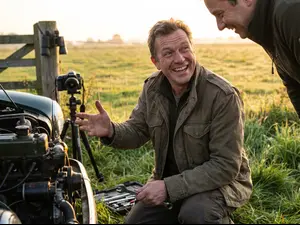
enthusiast
[en-thoo-zee-ast]
a person who is highly interested in a particular activity or subject
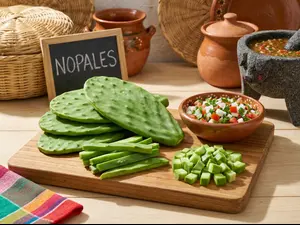
nopales
[noh-pah-les]
young tender stem segments of the prickly pear cactus that are used as food.

easy-going
[ee-zee-goh-ing]
relaxed and tolerant in attitude or approach
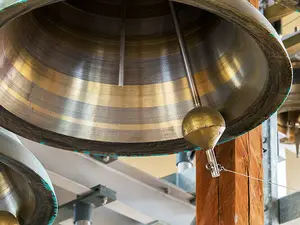
knell
[nel]
the sound made by a bell rung slowly, especially for a death or a funeral

teetotaler
[tee-toht-ler]
a person who refrains from alcoholic drink
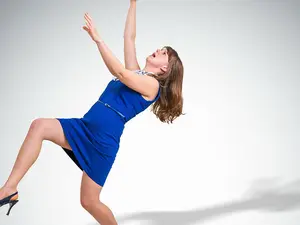
plotz
[plots]
to collapse or faint, as from surprise, excitement, or exhaustion

translucent
[trans-loo-suhnt]
allowing light to pass through but not transparent

morbid
[mawr-bid]
relating to or appealing to abnormal or disturbing subjects
band
[b-and]
a group of people working together, often in music or activities; also refers to a strip of material.

parlous
[pahr-luhs]
perilous; dangerous

foible
[foi-buhl]
a minor weakness or failing of character; slight flaw or defect