
scoundrel
nouna dishonest or morally corrupt person.
What Makes This Word Tick
Scoundrel is a vivid noun for a dishonest or morally corrupt person. It sounds old-fashioned, but the judgment is clear. The word can describe someone who cheats, exploits, betrays, or behaves without honor.
If Scoundrel Were a Person…
Scoundrel would shake your hand while hiding the stolen key. They would smile easily and promise too much. Their charm would make the dishonesty more dangerous.
How This Word Has Changed Over Time
Scoundrel has kept an old-world flavor in English. It often sounds like a word from a tale, courtroom, or dramatic accusation. Even now, scoundrel points to moral corruption rather than a simple mistake.
Old Sayings and Proverbs
Scoundrel is not commonly found in traditional proverbs, but its meaning fits warnings about dishonest company. An imagined proverb-like line might be: "A scoundrel counts your coins before praising your purse." It suggests that false charm can hide selfish intent.
Surprising Facts
Scoundrel can sound playful in light conversation, but its core meaning is serious. A scoundrel is dishonest or morally corrupt, not merely mischievous. The word should match the level of wrongdoing.
Out and About With This Word
You can use scoundrel for villains, cheats, dishonest rivals, tricksters, or corrupt figures in stories. It fits courtrooms, taverns, old letters, and dramatic complaints. Use it when moral judgment is part of the description.
Pop Culture Moments Where Scoundrel Was Used
It would fit naturally alongside Pirates of the Caribbean, where charm and dishonesty can travel together. It also suits Aladdin, where trickery, survival, and moral choices shape how people are judged. In both cases, scoundrel describes a dishonest or morally suspect person.
The Word in Literature
In literature, scoundrel suits rogues, cheats, and villains with charm or nerve. It can describe a person who breaks trust while trying to look clever. The word gives wrongdoing a dramatic flavor.
Moments in History with Scoundrel
In a courtroom, marketplace, or gambling hall, scoundrel can describe someone accused of dishonest behavior. The setting makes reputation important. The word keeps attention on moral corruption.
This Word Around the World
Many languages have colorful words for dishonest or morally corrupt people. Scoundrel gives English a lively, old-fashioned noun for that role. It is useful when villain feels too broad and cheat feels too plain.
Where Does It Come From?
Scoundrel is connected here with a Latin background. In modern English, scoundrel means a dishonest or morally corrupt person. The word carries a strong tone of moral judgment.
How People Misuse This Word
Scoundrel should not be used for every person who makes a mistake. A person can be flawed without being a scoundrel. The word works best when dishonesty or moral corruption is central.
Words It's Often Confused With
Scoundrel can be confused with rascal, but rascal can sound playful. It can also overlap with villain, though scoundrel often feels more personal and old-fashioned. The word suggests dishonest character.
Additional Synonyms and Antonyms
Additional synonyms: knave, cheat, crook, wrongdoer Additional antonyms: honest person, protector, upright person, benefactor
Want to Try It Out in a Sentence?
The thief was nothing but a scoundrel, preying on the vulnerable.
Explore more words

11 Dumbest Things Middle-Class Americans Waste Money On
See what to cut →

superfluous
[soo-pur-floo-uhs]
being more than is sufficient or required; excessive

meddle
[med-l]
to involve oneself in a matter without right or invitation; interfere officiously and unwantedly

Little-Known Money Hacks That Could Save You Hundreds
Review the list →

Is Staying With the Same Insurer Costing You More?
Explore Your Options →

preen
[preen]
(of animals, especially birds) to trim or dress (feathers, fur, etc.) with the beak or tongue

deride
[de-ryde]
to ridicule or mock someone or something

These 10 Money Moves Could Save Seniors Hundreds
Read more →

palindrome
[pal-in-drohm]
a word, line, verse, number, sentence, etc., reading the same backward as forward, as "Madam, I'm Adam" or "Poor Dan is in a droop"

plotz
[plots]
to collapse or faint, as from surprise, excitement, or exhaustion

paltry
[pawl-tree]
insignificant or worthless

spiral
[spy-ral]
winding in a continuous curve around a central axis

dodecahedron
[doh-dek-uh-hee-druhn]
a three-dimensional shape having twelve plane faces, in particular a regular solid figure with twelve equal pentagonal faces

demoralize
[dee-mor-uh-lize]
to cause someone to lose confidence or morale
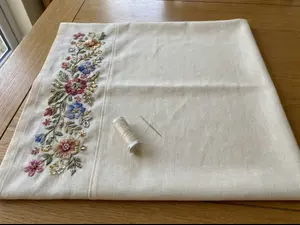
embellishment
[emb-ell-ishm-ent]
a decorative detail or feature added to enhance appearance or effect.

abridge
[uh-brij]
to shorten by omissions while retaining the basic contents

squalid
[skwol-id]
foul and repulsive, as from lack of care or cleanliness; neglected and filthy

emulate
[em-yuh-leyt]
to try to equal or excel; imitate with effort to equal or surpass

millefleur
[meel-flur]
having a background sprinkled with representations of flowers, as certain tapestries or pieces of glasswork

effluvium
[ih-floo-vee-uhm]
a slight or invisible exhalation or vapor, especially one that is disagreeable or noxious