
scythe
nounan agricultural tool with a long, curving blade that sits at an angle on the handle
What Makes This Word Tick
The word "scythe" is a delightful term that conjures images of agrarian life and the gentle sweeping motion of harvesting. A long, curved blade attached to a handle, it's designed for trimming grass or reaping crops by hand. It might also remind you of the timeless imagery of the Grim Reaper.
If Scythe Were a Person…
Scythe would surely be the stoic elder of the tool shed, with a sharp wit and an even sharper edge. Practical and somewhat intimidating, he'd be the one to dispense advice in smooth, sweeping gestures, always advocating for hard work, with a penchant for old-fashioned wisdom.
How This Word Has Changed Over Time
In its early days, "scythe" was primarily a workhorse in agriculture, essential before the advent of industrial machinery. Over time, its use in farming waned, but it gained metaphorical weight, often symbolizing the inevitability of time or a harvester of souls in literature.
Old Sayings and Proverbs That Use Scythe
While there's not a plethora of proverbs starring the scythe directly, its imagery often appears in expressions about reaping what you sow. The concept of harvesting crops parallels themes of consequence and reward.
Surprising Facts About Scythe
Did you know that scythes were once so crucial that their manufacturing was an art form? Blacksmiths would handcraft each blade, often passing their skills down through generations. It takes a keen eye and steady hand to maintain a perfectly honed scythe!
Out and About With This Word
Picture a quaint countryside where scythes still find their place. While rare in modern urban life, enthusiasts sometimes revive their usage for sustainable farming or competitive mowing events, a testimony to its lasting charm.
Pop Culture Moments Where Scythe Was Used
One memorable pop culture appearance of the scythe is in Neil Gaiman's "The Sandman," where Death, a character much more approachable than typical depictions, occasionally wields this traditional tool. The scythe symbolizes her role of gently guiding souls.
The Word in Literature
Scythes often appear in stories that explore themes of mortality, like the spine-chilling works of Stephen King. This word is no stranger to fantasy or horror genres, where its formidable edge cuts through both narrative and metaphor alike.
Moments in History with Scythe
The scythe played a pivotal role in the Agricultural Revolution of the 18th century, where improved techniques and tools like it transformed farming practices and kickstarted more efficient land use.
This Word Around the World
Across cultures, similar tools to the scythe exist, such as the sickle, which finds use in regions with varied crops. Each version respects the original's design principles, adapted to specific climates and needs around the globe.
Where Does It Come From?
The word "scythe" comes from the Old English "siðe," tracing back to Proto-Germanic roots, thus transporting a piece of ancient history into today's lexicon, straight from the hands of Europe's farmers.
How People Misuse This Word
A common mistake is confusing a "scythe" with a smaller "sickle." While both are used for harvesting, they're distinct in size and operation. Mixing them up might lead to sharper corrections than intended!
Words It's Often Confused With
- Sickle: Smaller and crescent-shaped, typically hand-held for reaping grain.
- Scissor: While also a cutting instrument, the similarity stops at the first syllable.
- Scathe: Related in pronunciation, but this word means to harm or injure.
Additional Synonyms and Antonyms
Synonyms: Reap hook, cutter Antonyms: Seeder, planter
Want to Try It Out in a Sentence?
In the golden glow of the morning sun, the farmer expertly wielded the scythe, its rhythmic swish whispering tales of harvests long past.
Explore more words
11 Dumbest Things Middle-Class Americans Waste Money On
See what to cut →

besmirch
[bih-smurch]
to detract from the honor or luster of
burgeon
[bur-juhn]
begin to grow or increase rapidly; flourish

Little-Known Money Hacks That Could Save You Hundreds
Review the list →

Is Staying With the Same Insurer Costing You More?
Explore Your Options →

vestige
[ves-tij]
a surviving evidence or remainder of some condition, practice, etc.

expound
[ik-spound]
to set forth or state in detail

These 10 Money Moves Could Save Seniors Hundreds
Read more →

easy-going
[ee-zee-goh-ing]
relaxed and tolerant in attitude or approach

conundrum
[kuh-nuhn-druhm]
a confusing and difficult problem or question

celerity
[suh-ler-i-tee]
swiftness; speed

pendulous
[pen-juh-luhs]
hanging down loosely
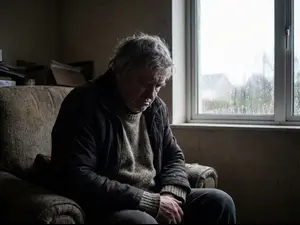
glumly
[gluhm-lee]
in a dismal, dreary, or gloomy manner.

reticent
[ret-uh-suhnt]
disposed to be silent or not to speak freely; reserved

sanguine
[sang-gwin]
optimistic or positive, especially in a bad or difficult situation

incidence
[in-si-duhns]
the rate or range of occurrence or influence of something, especially of something unwanted

propitious
[pruh-pish-uhs]
presenting favorable conditions; favorable

palindrome
[pal-in-drohm]
a word, line, verse, number, sentence, etc., reading the same backward as forward, as "Madam, I'm Adam" or "Poor Dan is in a droop"

cosmopolitan
[koz-muh-pol-i-tn]
free from local, provincial, or national ideas, prejudices, or attachments; at home all over the world

old-fashioned
[ohld-fash-uhnd]
no longer modern or commonly used