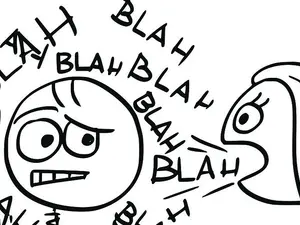
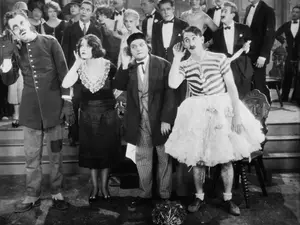
shocked
adjectivegreatly surprised or disturbed
What Makes This Word Tick
Shocked means greatly surprised or disturbed—something hits you hard enough to jolt your expectations or your emotional balance. It can describe a reaction to sudden news, behavior, or events that feel out of bounds. Compared with surprised, shocked suggests a stronger, more disruptive impact.
If Shocked Were a Person…
Shocked would be the person who freezes mid-step, eyes wide, as if the world just changed shape. They need a beat to catch up because the moment landed too fast. Being around them feels like the room has gone suddenly quiet.
How This Word Has Changed Over Time
Shocked has stayed closely tied to the idea of a jolt—an abrupt disturbance that produces strong surprise. Modern usage still uses it for reactions that feel intense and immediate, especially when expectations are overturned quickly.
Old Sayings and Proverbs
A proverb-style idea that matches shocked is that the unexpected can knock the wind out of you. It fits because being shocked isn’t gentle surprise; it’s surprise that disturbs and momentarily disorients.
Surprising Facts
Shocked often combines two ingredients: surprise plus disturbance—meaning it’s not just new information, but upsetting or disruptive information. The word can describe tone and posture as well as emotion, because shock often shows physically. In narration, shocked can instantly signal that a moment carries weight and consequences.
Out and About With This Word
You’ll see shocked in conversations about sudden news, unexpected behavior, or events that feel unsettling. It’s common in personal storytelling and reporting-like summaries when someone wants to emphasize how strongly they reacted. The word fits best when the reaction is intense rather than mildly surprised.
Pop Culture Moments Where Shocked Was Used
In pop culture, “shocked” moments often happen at reveals—secrets uncovered, betrayals exposed, or surprising choices that disturb the characters. That matches the definition because the surprise is big enough to unsettle, not just to inform.
The Word in Literature
In literary writing, shocked is used to mark impact—when a scene lands like a blow and a character’s inner balance shifts. It can slow the narrative for a beat, creating a pause where the reader feels the jolt alongside the character. The word also helps shape tone, signaling that the surprise is disturbing rather than playful.
Moments in History with Shocked
Throughout history, shock-like reactions are associated with sudden upheavals, unexpected announcements, or events that break a community’s normal expectations. The concept fits because “greatly surprised or disturbed” describes what happens when change arrives abruptly and people must recalibrate. It’s often discussed when describing public reactions, not just private feelings.
This Word Around the World
Across languages, this idea is commonly expressed through terms meaning stunned, shaken, or deeply surprised, often pairing the emotional reaction with a sense of disturbance. Expression varies, but the shared concept is the same: surprise strong enough to unsettle.
Where Does It Come From?
The origin notes connect shocked to older forms meaning “to shake,” which matches the modern emotional sense: shock is the mental and emotional version of being shaken. That connection helps explain why the word suggests disruption as well as surprise.
How People Misuse This Word
Shocked is sometimes used for small surprises, but the word implies a strong, disturbing jolt. If the reaction is mild, surprised or taken aback may be more accurate.
Words It’s Often Confused With
Shocked is often confused with surprised, but shocked suggests stronger disturbance. It can also overlap with stunned, though stunned often emphasizes being momentarily unable to respond, while shocked emphasizes the upsetting jolt.
Additional Synonyms and Antonyms
Additional Synonyms: shaken, rattled, horrified Additional Antonyms: unfazed, composed, steady
Want to Try It Out in a Sentence?
"She was shocked to hear about the sudden resignation of her boss."
Explore more words

11 Dumbest Things Middle-Class Americans Waste Money On
See what to cut →

clumsy
[klum-zee]
awkward in movement or handling things

williwaw
[wil-ee-waw]
a sudden violent squall blowing offshore from a mountainous coast

Little-Known Money Hacks That Could Save You Hundreds
Review the list →

Is Staying With the Same Insurer Costing You More?
Explore Your Options →

antics
[an-tiks]
playful or silly behavior

abscond
[ab-skond]
to depart in a sudden and secret manner, especially to avoid capture and legal prosecution

These 10 Money Moves Could Save Seniors Hundreds
Read more →

negligent
[neg-li-juhnt]
failing to take proper care of something

grasp
[gr-asp]
to seize or hold something firmly; also to understand or comprehend an idea.

soothsayer
[sooth-sey-er]
a person who predicts the future

brackish
[brak-ish]
having a slightly salty or briny flavor

insouciance
[in-soo-see-uhns]
the quality of being insouciant; lack of care or concern; indifference

minutia
[mi-noo-shuh]
precise details; small or trifling matters

etui
[ey-twee]
a small case for needles and toiletries
churlish
[chur-lish]
rude or ill-mannered