
spurious
adjectivenot being what it purports to be; false or fake
What Makes This Word Tick
"Spurious" is one of those words that sounds as deceptive as it means. It's often used to describe things that are false or not what they claim to be. When things are spurious, they're masquerading as something they're not-like a bootleg concert DVD from a street vendor.
If Spurious Were a Person…
Imagine someone donning a fake Rolex and insisting it's the real deal. This person might have enough smooth talk to convince a stranger, yet plenty of folks would see through the act. That's spurious embodied-a personality that's flashy on the outside but lacks the genuine essence you're looking for.
How This Word Has Changed Over Time
"Spurious" has held pretty steady over the years, maintaining its role in the English language since the late 16th century. Initially borrowed from the Latin "spurius," it has long been involved in the business of calling out impostors, whether in legal documents or easy conversations.
Old Sayings and Proverbs That Use Spurious
While there aren't many time-honored maxims specifically about our sly friend, you might be reminded of phrases like "All that glitters is not gold," a sentiment spurious would surely endorse.
Surprising Facts About Spurious
You might be surprised to know that spurious once had a more scandalous reputation. In earlier times, it was used to label illegitimate children-imagine being called a spurious offspring! Thankfully, it has since evolved into a more general term for phoniness.
Out and About With This Word
In everyday life, "spurious" is like a speed bump caution sign, keeping us wary of false claims, misleading advertisements, or dubious information. It's your trusty reminder to look beyond surface appearances.
Pop Culture Moments Where Spurious Was Used
While "spurious" itself might not be a red-carpet regular, its spirit is embodied in many a film noir plot-think of Humphrey Bogart exposing a deceit or a sleuth unraveling a mystery that, on the surface, seemed cut and dry.
The Word in Literature
You'll find "spurious" weaving its way through detective novels and legal thrillers, often when discussing evidence or alibis. Think of it as the literary black flashlight, shining light on those less-than-genuine decoys.
Moments in History with Spurious
Suspicions of spurious claims have peppered many historical events, from clever forgeries in art history to falsely authenticated historical artifacts. Imagine crafty medieval scribes sneaking fake entries into important manuscripts.
This Word Around the World
Other languages offer their twists on "spurious." For example, in Spanish, "falso" covers similar ground, while in French, “fallacieux” suggests deceit and misleading appearances, much like its English counterpart.
Where Does It Come From?
The word "spurious" roots itself in the Latin term "spurius," meaning illegitimate or born out of wedlock. Over time, its application widened, becoming more inclusive of other fraudulent or deceptive instances.
How People Misuse This Word
Some people mistakenly use "spurious" to mean "superfluous" or simply unwanted. Remember, spurious doesn't just mean excess; it's all about underlying deceit or falsehood.
Words It's Often Confused With
- Specious: Often used similarly, though specious refers to something that looks good or valid on the surface but is actually wrong.
- Superficial: Describes a shallow or surface-level trait, missing the false or deceptive implication of spurious.
- False: A similar trait but lacks the finesse that spurious implies when revealing deceit.
Additional Synonyms and Antonyms
Synonyms you might find dancing in the same ballpark include counterfeit, sham, and phony. On the flip side, words like genuine, authentic, and bona fide provide a trustworthy counterbalance.
Want to Try It Out in a Sentence?
Avoiding spurious claims in advertising is crucial for maintaining consumer trust in today's marketplace.
Explore more words
11 Dumbest Things Middle-Class Americans Waste Money On
See what to cut →

abdicate
[ab-di-kayt]
to give up a position, usually one of leadership

absquatulate
[ab-skwoch-uh-leyt]
to flee; abscond

Little-Known Money Hacks That Could Save You Hundreds
Review the list →

Is Staying With the Same Insurer Costing You More?
Explore Your Options →

garrulous
[gar-uh-luhs]
excessively talkative, especially on trivial matters

cross
[kr-oss]
annoyed, angry, or irritated.

These 10 Money Moves Could Save Seniors Hundreds
Read more →

bonehead
[bohn-hed]
a stupid or foolish person

hurried
[hur-reed]
done quickly or with urgency
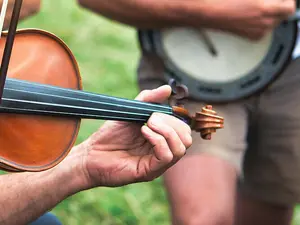
hootenanny
[hoot-n-an-ee, hoot-nan-ee]
a social gathering or informal concert featuring folk singing and, sometimes, dancing

implement
[im-ple-ent]
an instrument, utensil, tool

redolent
[red-l-uhnt ]
having a pleasant odor; fragrant

marital
[mar-i-tl]
of or relating to marriage; conjugal; matrimonial

gape
[gayp]
to stare with an open mouth in amazement

burgeon
[bur-juhn]
begin to grow or increase rapidly; flourish

chapfallen
[chap-faw-len]
dejected or dispirited

quisling
[kwiz-ling]
a person who betrays his or her own country by aiding an invading enemy, often serving later in a puppet government; a traitor

fisticuffs
[fis-tuh-kuhfs]
combat with the fists

pinochle
[pee-nuhk-uhl]
a popular card game played by two, three, or four persons, with a 48-card deck