
transpire
verbto occur, happen; take place
What Makes This Word Tick
"Transpire" is a bit of a linguistic chameleon. On the surface, it means to occur or happen, but dig a little deeper and you'll find its roots grounded in the idea of secrets coming to light. Not just confined to the realm of events, "transpire" also has a botanical side, referring to the process of water vapor being released from plants.
If Transpire Were a Person…
Transpire would be that person at a party who seems quiet at first but then surprises you with fascinating stories as the night unfolds. They seem to know everything about everyone, gently revealing details just when you least expect it.
How This Word Has Changed Over Time
Originally, "transpire" didn't mean quite what it does today. In the 18th century, it was closer in meaning to "leak out" or "emerge." Over time, as language evolved, so did "transpire," taking on its current primary meaning of occurrences becoming known.
Old Sayings and Proverbs That Use Transpire
While "transpire" doesn't have a strong presence in proverbs, it certainly fits in phrases like “What will transpire next?" a query that echoes the age-old human instinct to anticipate future events.
Surprising Facts About Transpire
Here's a fun tidbit: "Transpire" was once considered a controversial word in the English language. In the early 19th century, some pundits accused it of being an "unnecessary" synonym for simply "happen." A tempest in a teapot, in hindsight!
Out and About With This Word
You might stumble upon "transpire" in a mystery novel or a news report outlining the sequence of events in an unfolding drama. It has an air of suspense that makes every story more intriguing.
Pop Culture Moments Where Transpire Was Used
In pop culture, "transpire" often makes an appearance in TV dramas and police procedurals, where characters unearth secrets or reveal overlooked details. It's not uncommon to hear a detective declare, “We must uncover what transpired that night.
The Word in Literature
"Transpire" finds its home in genres that deal with mystery and suspense, such as the works of Agatha Christie or Arthur Conan Doyle. It often serves as the gateway to revealing pivotal plot twists and uncovering hidden truths.
Moments in History with Transpire
Think back to moments like the fall of the Berlin Wall. While "transpire" may not have been in headlines, it perfectly encapsulates the spirit of those unexpected and revealing moments in history where events unfolded and changed the world.
This Word Around the World
In French, “transpire” translates to “transpirer," which interestingly largely pertains to sweating. It's a reminder of the word's botanical roots-evaporating and revealing.
Where Does It Come From?
The etymology of "transpire" traces back to Latin "transpirare," which combines "trans-" (through) and "spirare" (to breathe). Initially, it painted a picture of moisture passing through pores, a concept still intact in its botany-related definition.
How People Misuse This Word
"Transpire" is sometimes misused as a synonym for "happen," but it carries a nuance of revelation or unveiling. Saying, "The meeting transpired yesterday," while understandable, misses the subtlety of a sequence becoming known.
Words It's Often Confused With
- Happen: Lacks the nuance of revelation.
- Emerge: Similar in the sense of coming to light, but not as tied to events.
- Occur: Often used interchangeably, though less about unveiling.
Additional Synonyms and Antonyms
Synonyms include emerge, unfold, and reveal. Antonyms might be suppress or conceal, hinting at keeping things hidden rather than bringing them to light.
Want to Try It Out in a Sentence?
"After much deliberation, the truth of what transpired during the meeting finally came to light, leaving everyone speechless."
Explore more words
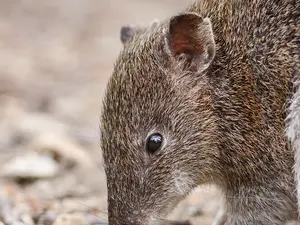
bandicoot
[ban-di-koot]
a mainly insectivorous marsupial native to Australia and New Guinea

cosmopolitan
[koz-muh-pol-i-tn]
free from local, provincial, or national ideas, prejudices, or attachments; at home all over the world
diphthong
[dif-thawng]
a sound formed by the combination of two vowels in a single syllable, in which the sound begins as one vowel and moves toward another (as in coin, loud, and side)
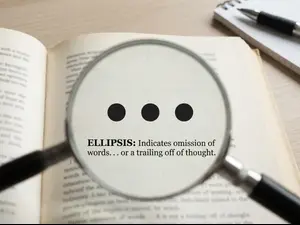
ellipsis
[ih-lip-sis]
omission of one or more words that are obviously understood but must be supplied to make a construction grammatically complete.

equinox
[ee-kwuh-noks]
the time or date (twice each year) at which the sun crosses the celestial equator, when day and night are of approximately equal length

shambolic
[sham-bol-ik]
very disorganized; messy or confused

amalgamate
[uh-mal-guh-meyt ]
to mix or merge, as to make a combination; blend; unite; combine

degrading
[dih-gray-ding]
causing a loss of dignity or respect

fortuitous
[fawr-too-i-tuhs]
happening or produced by chance; accidental

ailurophile
[ahy-loor-uh-fahyl]
a person who likes cats; cat fancier
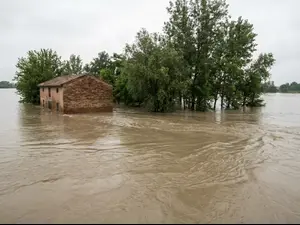
engulf
[en-guhlf]
to flow over and enclose; to overwhelm.

bauble
[baw-buhl]
a showy, usually cheap, ornament; trinket; gewgaw

roust
[roust]
cause to get up or start moving; rouse
tisane
[ti-zan]
aromatic or herb-flavored tea

schadenfreude
[shahd-n-froi-duh]
satisfaction or pleasure felt at someone else's misfortune

tame
[teym]
changed from the wild or savage state; domesticated