
veneer
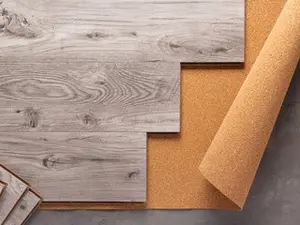
nouna thin layer of wood or other material for facing or inlaying wood
What Makes This Word Tick
Veneer is a word that adds a touch of elegance to whatever it describes, whether it's a layer of fine wood or a superficial show of politeness. It speaks to the idea of enhancing or beautifying surfaces, hinting at sometimes less-than-genuine motives. But don't we all appreciate a little extra shine now and then?
If Veneer Were a Person…
If veneer were a person, it might be your charming neighbor who always seems impeccably put together-even if they just stepped out to grab the morning paper. This character knows how to polish up even the roughest day and is always ready with a smile that might just be a tad too perfect.
How This Word Has Changed Over Time
Originally rooted in craftsmanship, veneer referred primarily to thin layers of wood applied to a surface for beauty or protection. Over the centuries, its metaphorical use has expanded to describe any superficial or deceptive cover-up, embracing the world of human behavior and social interactions.
Old Sayings and Proverbs That Use Veneer
Though it's not a fixture in ancient proverbs, the concept of a veneer is similar to sayings like "wolf in sheep's clothing," where appearances can be deceiving. Nuggets of wisdom about not judging a book by its cover nod to the idea beneath the veneer.
Surprising Facts About Veneer
Did you know that veneer can be traced back to ancient Egypt? They were masters of the technique, using thin wood layers to adorn furniture. It's also fascinating that dentistry borrowed the term for aesthetic fixes. Like furniture, sometimes teeth need a bit of enhancement!
Out and About With This Word
When you're strolling through a furniture store or considering home renovations, veneer is a word that may pop up. It indicates quality, but also a hint for the buyer to look beyond the lustrous surface. Veneers are also in the conversations between dentists and patients seeking that Hollywood smile.
Pop Culture Moments Where Veneer Was Used
In pop culture, veneer often plays into themes of appearance versus reality. TV shows and movies use the concept to add depth to characters who are not what they seem, like in soap operas where the perfect family facade hides all manner of secrets.
The Word in Literature
Veneer has sauntered through literature often in the guise of high society settings. Think of Fitzgerald's "The Great Gatsby," where opulent appearances mask complex truths. It's a favorite for authors exploring themes of authenticity, deception, and the masks people wear.
Moments in History with Veneer
The Renaissance period saw a resurgence of interest in luxurious wooden veneers applied to everything from walls to furniture, reflecting the era's love for artifice and elegance. Similarly, post-war America embraced veneers as a way to cover old surfaces with new hope.
This Word Around the World
In French, "placage" is the equivalent of veneer, while Italian craftsmen might refer to it as "impiallacciatura." Each culture has its love affair with the surface beauty veneers provide, embracing both their practical and metaphorical charm.
Where Does It Come From?
The word "veneer" comes from a 17th-century German word "furnieren," meaning to cover with a thin layer. It's rooted in the craft of fine woodworking, where veneer has long been prized for its ability to make the ordinary extraordinary.
How People Misuse This Word
Some folks mistakenly use veneer exclusively to describe dental procedures, unaware of its broader applications. Others might confuse it with varnish, which strictly pertains to finishing coats rather than applied layers of material.
Words It's Often Confused With
- Laminate: Both involve layers, but laminate often includes synthetic materials and is not just about wood.
- Varnish: A different process entirely, focused on finishing rather than layering.
- Plating: Usually refers to metal, not wood or superficial coverings.
Additional Synonyms and Antonyms
Synonyms include façade, gloss, and overlay, while its antonyms would be core, substance, or even authenticity-anything that emphasizes depth and solidity over mere surface.
Want to Try It Out in a Sentence?
Despite the wooden table's gleaming veneer, the scratches of time and use were evident underneath, a contradiction that told its own story.
Explore more words
11 Dumbest Things Middle-Class Americans Waste Money On
See what to cut →

clandestine
[klan-des-tin]
characterized by, done in, or executed with secrecy or concealment, especially for purposes of subversion or deception; private or surreptitious

horrible
[hawr-uh-buhl]
causing horror; extremely unpleasant

Little-Known Money Hacks That Could Save You Hundreds
Review the list →

Is Staying With the Same Insurer Costing You More?
Explore Your Options →

gourmand
[goor-mahnd]
a person who is fond of good eating, often indiscriminatingly and to excess

toadstool
[toad-stool]
a kind of fungus similar to a mushroom, consisting of a round cap on a short stem, and that is often poisonous

These 10 Money Moves Could Save Seniors Hundreds
Read more →
quire
[kwahyuhr]
a collection of 24 or sometimes 25 sheets of paper of the same size and quality: one twentieth of a ream

inchoate
[in-koh-it]
not yet completed or fully developed; rudimentary
brick
[br-ik]
a rectangular block of clay or similar material used in building; also refers to reliability.

sarcophagus
[sahr-kof-uh-guhs]
a stone coffin, typically adorned with a sculpture or inscription and associated with the ancient civilizations of Egypt, Rome, and Greece
sordid
[sawr-did]
morally ignoble or base; vile
underlie
[uhn-der-lahy]
to lie under or beneath; be situated under

diatribe
[dahy-uh-trahyb]
a bitter, sharply abusive denunciation, attack, or criticism

campanile
[kam-puh-nee-lee]
a bell tower, especially one freestanding from the body of a church

traverse
[trav-ers]
to pass or move over, along, or through

chthonic
[tha-nik]
of or relating to the deities, spirits, and other beings dwelling under the earth
breviloquent
[bre-vil-uh-kwuhnt]
speaking or expressed in a concise or terse style; using brevity of speech

talisman
[tal-is-muhn]
any amulet or charm