
waggish
adjective
humorous in a playful or mischievous way
What Makes This Word Tick
A waggish remark usually invites its audience to recognize that something is being said for fun. Calling the suggestion to appoint the family cat as referee waggish captures the deliberate silliness, rather than suggesting that anyone expects the cat to enforce the rules.
If Waggish Were a Person...
Waggish would arrive at a picnic with a tiny crown for the watermelon. The joke would be easy to understand, the fruit would remain perfectly edible, and nobody would have to become the target of an embarrassing prank.
How This Word Has Changed Over Time
English speakers have had waggish since the late sixteenth century, so the adjective predates modern stand-up comedy by centuries. It remains available for contemporary humor, including a teasing caption or a deliberately ridiculous suggestion, without requiring an old-fashioned setting.
Old Sayings and Proverbs
The proverb "Many a true word is spoken in jest" does not contain waggish, but it captures one possibility in a joking remark. A waggish suggestion that a long meeting needs an intermission can be funny while also pointing out that everyone could use a break.
Surprising Facts
Waggish can describe the person making a joke, the remark itself, or the expression accompanying it. A waggish grin therefore need not come with a spoken punchline; a knowing look can announce the same intention to amuse.
Out and About With This Word
At a family board-game night, a waggish player might solemnly nominate a rubber duck to settle a disputed move. In a birthday speech, a waggish observation about the guest of honor's competitive cake-cutting could earn an affectionate laugh without turning the occasion into a roast.
Pop Culture Moments Where Waggish Was Used
It would fit naturally alongside Aladdin, where the Genie entertains with jokes and extravagant comic transformations. It also suits Alice in Wonderland, where the Cheshire Cat combines a mischievous grin with unexpected appearances and disappearances. In both cases, waggish describes an entertaining streak of mischief that makes the character's behavior amusing.
The Word in Literature
Feste in Shakespeare's Twelfth Night makes a living entertaining a household through verbal play, including puns on the word fool. His exchanges offer a literary example of waggish wit: the joke often comes from redirecting the meaning of an ordinary word rather than simply delivering a prepared punchline.
Moments in History with Waggish
Joseph Grimaldi helped transform the clown into a central attraction of British pantomime in the early nineteenth century. The comic audacity of his stage business offers a historical setting for waggish antics, with exaggerated behavior designed to delight an audience rather than be mistaken for ordinary conduct.
This Word Around the World
The French adjective espiegle describes a mischievous or impish person, giving it a useful point of overlap with waggish. Both can suit a knowing grin before a harmless trick, although waggish puts particular emphasis on the amusement involved rather than merely a readiness to cause trouble.
Where Does It Come From?
Waggish combines wag, the noun for a person fond of jokes, with the adjective ending -ish. The immediate formation points to the joker's character, so a waggish answer belongs to the language of jesting rather than being a description of a moving dog's tail.
How People Misuse This Word
A prank that humiliates a guest or ruins someone's belongings is poorly described as merely waggish. The adjective carries an expectation of amusement, so applying it to an unkind trick can make the harm sound like harmless entertainment.
Words It's Often Confused With
Wry humor tends to be dry or quietly ironic, whereas waggish humor more readily suggests a visible streak of mischief. Facetious can describe joking when seriousness is expected and may sound disapproving; waggish is more likely to present the joking as an amusing quality.
Additional Synonyms and Antonyms
Additional synonyms: ["mischievous", "puckish", "roguish"] Additional antonyms: ["earnest", "grave", "dour"]
Want to Try It Out in a Sentence?
His waggish suggestion that the cat chair the meeting made everyone laugh.
Explore more words
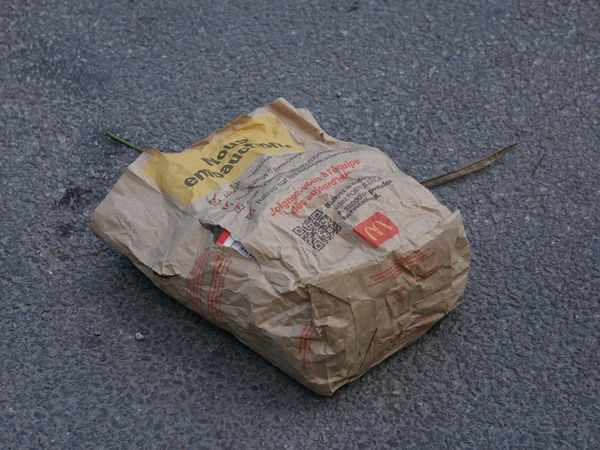

regale
[ri-geyl]
to entertain lavishly or agreeably; to delight

pretentious
[pri-ten-shuhs]
characterized by assumption of dignity or importance, especially when exaggerated or undeserved



scrupulous
[skroo-pyuh-luhs]
punctiliously or minutely careful, precise, or exact

somnolent
[som-nuh-luhnt]
sleepy; drowsy

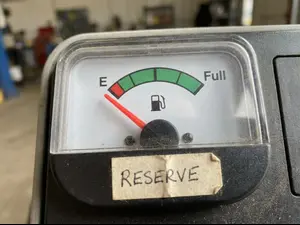
depleting
[d-epl-et-ing]
reducing the quantity, strength, or value of something.

disappear
[dis-uh-peer]
to cease to be visible or exist

kvetch
[kfetch]
to complain persistently and annoyingly
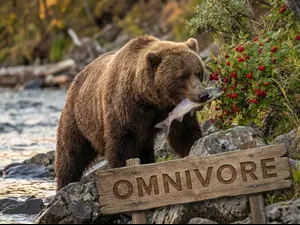
omnivore
[om-nuh-vawr]
an animal or person that eats food of both plant and animal origin.
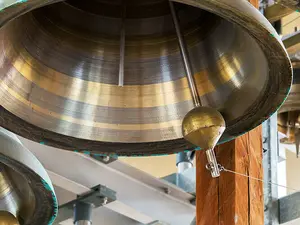
knell
[nel]
the sound made by a bell rung slowly, especially for a death or a funeral

unsettled
[uhn-set-ld]
lacking stability or certainty

nurture
[nu-rtu-ure]
to assist the development of

perquisite
[pur-kwuh-zit]
an incidental payment, benefit, privilege, or advantage over and above regular income, salary, or wages
cadenza
[kuh-den-zuh]
an elaborate flourish or showy solo passage, sometimes improvised, introduced near the end of an aria or a movement of a concerto

swift
[swift]
coming, happening, or performed quickly or without delay

bumfuzzle
[buhm-fuhz-uhl]
to confuse or fluster

enervated
[en-er-vey-tid]
without vigor, force, or strength; languid