
withhold
verbto refuse to give something
What Makes This Word Tick
Withhold means to hold something back instead of giving it. It can apply to money, information, permission, praise, evidence, or help. The word often suggests a deliberate refusal.
If Withhold Were a Person…
Withhold would keep the envelope in their pocket while everyone waited. They would not have lost it. They would simply choose not to hand it over.
How This Word Has Changed Over Time
Withhold comes from Old English withhealdan, meaning "to hold back," from with, meaning "against," and healdan, meaning "to hold." That origin fits the modern meaning directly. To withhold is to keep something from being given.
Old Sayings and Proverbs
Withhold is not commonly found in traditional proverbs, but its meaning fits old warnings about power and generosity. An imagined proverb-like line might be: "Those who withhold water decide who feels the drought." It suggests that refusing to give can shape another person's hardship.
Surprising Facts
Withhold can be legal, practical, emotional, or unfair depending on context. A person may withhold payment, withhold judgment, or withhold information. The word focuses on the act of keeping something back.
Out and About With This Word
You can use withhold for deposits, grades, documents, permission, truth, approval, and support. It fits offices, schools, courts, leases, contracts, and personal relationships. Use it when something expected is deliberately not given.
Pop Culture Moments Where Withhold Was Used
It would fit naturally alongside Knives Out, where information and inheritance can be held back as power shifts. It also suits The Devil Wears Prada, where approval and praise are often difficult to obtain. In both cases, withhold describes refusing to give something others want or expect.
The Word in Literature
In literature, withhold suits secrets, letters, money, forgiveness, or praise kept back from others. It can create tension because what is not given becomes important. The word makes refusal feel deliberate.
Moments in History with Withhold
In a courtroom, tax office, landlord dispute, or negotiation table, withhold can describe refusing to give money, evidence, permission, or information. The setting makes control important. The word keeps attention on what is held back.
This Word Around the World
Many languages have verbs for keeping back or refusing to give. Withhold gives English a clear word for deliberate non-delivery. It is useful when refusal is the central action.
Where Does It Come From?
Withhold comes from Old English withhealdan, meaning "to hold back," from with, meaning "against," and healdan, meaning "to hold." That origin explains the word's sense of keeping something back. In modern English, withhold means to refuse to give something.
How People Misuse This Word
Withhold should not be used for something accidentally forgotten. To withhold usually suggests choice or deliberate action. The word works best when someone refuses to give what could be given.
Words It's Often Confused With
Withhold can be confused with keep, but keep is broader and more neutral. It can also overlap with deny, though withhold often focuses on holding something back. The word points to controlled refusal.
Additional Synonyms and Antonyms
Additional synonyms: hold back, keep from, refuse, reserve Additional antonyms: hand over, grant, disclose, surrender
Want to Try It Out in a Sentence?
The landlord decided to withhold the deposit due to property damage.
Explore more words
11 Dumbest Things Middle-Class Americans Waste Money On
See what to cut →

band
[b-and]
a group of people working together, often in music or activities; also refers to a strip of material.

burgeon
[bur-juhn]
begin to grow or increase rapidly; flourish

Little-Known Money Hacks That Could Save You Hundreds
Review the list →

Is Staying With the Same Insurer Costing You More?
Explore Your Options →

resplendent
[res-plen-dent]
attractive and impressive through being richly colorful or sumptuous

bivouac
[biv-oo-ak]
a military encampment made with tents or improvised shelters, usually without shelter or protection from enemy fire

These 10 Money Moves Could Save Seniors Hundreds
Read more →
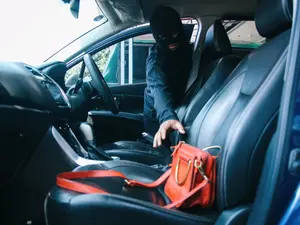
miscreant
[mis-kree-uhnt]
a vicious or depraved person; villain
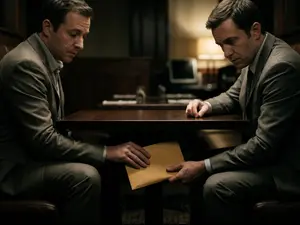
bribe
[brahyb]
money or favors given to influence someone

portend
[por-tend]
to signify or be a warning of future events

unscrupulous
[uhn-skroo-pyuh-luhs]
having or showing no moral principles; not honest or fair

shambolic
[sham-bah-lik]
chaotic, disorganized, or confused
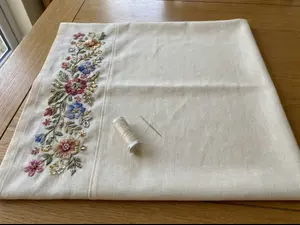
embellishment
[emb-ell-ishm-ent]
a decorative detail or feature added to enhance appearance or effect.

emulate
[em-yuh-leyt]
to try to equal or excel; imitate with effort to equal or surpass

bicker
[bik-er]
to engage in petulant or peevish argument; wrangle

petulant
[pech-uh-luhnt]
moved to or showing sudden, impatient irritation, especially over some trifling annoyance

peignoir
[peyn-whar]
a woman’s dressing gown

picturesque
[pik-chuh-resk]
(of writing, speech, etc.) strikingly graphic or vivid; creating detailed mental images

bathrobe
[bath-rohb]
a loose-fitting garment worn after bathing