
zoomorphic
adjectivecharacterized by a highly stylized or conventionalized representation of animal forms
What Makes This Word Tick
"Zoomorphic" is a blend of "zoo," meaning animal, and "morphic," meaning form or shape. It's the word you reach for when something is designed to look like an animal, like that eccentric bench shaped like a crocodile you saw at the park.
If Zoomorphic Were a Person…
Imagine a lively artist with a penchant for whimsical hats and a love for the animal kingdom. They're the sort who never met a plain object that couldn't be improved by adding some ears or a tail.
How This Word Has Changed Over Time
Originally, zoomorphic was all about art and sculpture, but over the years it's accompanied us into decorative architecture and even the world of digital avatars. Think of those apps that make your selfies look like a fox or a lion!
Old Sayings and Proverbs That Use Zoomorphic
While there aren't any ancient sayings with "zoomorphic," the word fits snuggly into expressions about animals' likenesses, like "wolf in sheep's clothing" or "as wise as an owl," where animal traits are celebrated or critiqued.
Surprising Facts About Zoomorphic
Did you know ancient Egyptians were particularly fond of zoomorphic artistry, often depicting their deities with animal heads? It's a tradition that has carried across various cultures, showing our enduring fascination with the animal form.
Out and About With This Word
You might encounter zoomorphic elements in ancient cathedrals, where gargoyles reign supreme, or in jewelry where a pendant might take the shape of a fish or bird. Keep an eye out, and you'll start seeing it everywhere.
Pop Culture Moments Where Zoomorphic Was Used
From Disney animations to the latest CGI movie marvels, zoomorphic elements make characters more engaging and relatable. Those beloved talking animal films add a touch of magic that appeals to young and old alike.
The Word in Literature
While it might not be a mainstay in everyday novels, zoomorphic imagery can be found in fantasy and science fiction, where authors paint vivid pictures of fantastical creatures that defy the ordinary.
Moments in History with Zoomorphic
Throughout history, different cultures have employed zoomorphic motifs in ceremonial masks and rituals. Consider the intricate, animal-shaped masks used in African and Native American ceremonies designed to evoke animal spirits.
This Word Around the World
From "zoomorphen" in German to "zoomorfo" in Spanish, the word retains its core meaning but dances across languages with unique flair. Japan's culture embraces it through countless mythical creatures that blend human traits with animal forms.
Where Does It Come From?
The word "zoomorphic" is derived from Greek roots-‘zoo' (animal) and ‘morph' (shape or form)-painting a mental picture of Greek artisans carving mythical creatures combining human and animal traits.
How People Misuse This Word
Sometimes people mix up "zoomorphic" with words like anthropomorphic. While zoomorphic deals with objects or forms resembling animals, anthropomorphic assigns human traits to animals.
Words It's Often Confused With
- Anthropomorphic: Unlike zoomorphic, this refers to animals or things given human characteristics.
- Biomorphic: Often confused with zoomorphic, but it refers more broadly to forms inspired by natural elements, not just animals.
Additional Synonyms and Antonyms
Synonyms might include "animalistic" or "beastly" when discussing appearance. The antonym would be harder to nail down, but "inhuman" in the context of lacking animal-like form might fit.
Want to Try It Out in a Sentence?
"The artist's gallery featured a zoomorphic sculpture of a dragon, its scales meticulously crafted to mimic those of a real serpent.
Explore more words
11 Dumbest Things Middle-Class Americans Waste Money On
See what to cut →

exclaim
[ik-skleym]
to cry out; say loudly or vehemently
timorous
[tim-er-uhs]
full of fear; fearful

Little-Known Money Hacks That Could Save You Hundreds
Review the list →

Is Staying With the Same Insurer Costing You More?
Explore Your Options →

eschew
[es-choo]
to abstain or keep away from; shun; avoid

piecemeal
[pees-meel]
done piece by piece
These 10 Money Moves Could Save Seniors Hundreds
Read more →
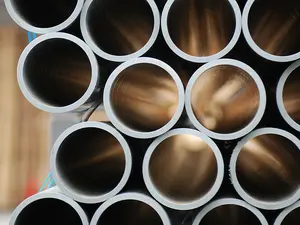
conduit
[kon-dwit]
a pipe, tube, or the like, for conveying water or other fluid

imbibe
[im-bahyb]
to absorb or soak up, as water, light, or heat

nebulous
[neb-yuh-luhs]
hazy, vague, indistinct, or confused

intimacy
[in-tuh-muh-see]
close familiarity or friendship

tenable
[ten-uh-buhl]
capable of being held, maintained, or defended, as against attack or dispute
ignoble
[ig-noh-buhl]
of low character, aims, etc.; mean; base
imbibe
[im-bahyb]
to consume (liquids) by drinking; drink

bless
[bles]
to invoke divine favor upon someone or something

meretricious
[mer-i-trish-uhs]
alluring by a show of flashy or vulgar attractions; tawdry
braid
[br-aid]
a pattern formed by weaving together three or more strands, often of hair or fabric.
formless
[f-orml-ess]
without a clear shape or structure; amorphous or undefined.

cybersquatting
[sahy-ber-skwot-ing]
the registration of a commercially valuable internet domain name, as a trademark, with the intention of selling it or profiting from its use