
accolade
Verban award or honor
What Makes This Word Tick
An "accolade" is a public nod of approval—an honor that singles someone out for praise. It can be a formal award, but it can also mean recognition more broadly. Compared with a quick compliment, an accolade feels bigger, like it carries weight and visibility.
If Accolade Were a Person…
Accolade would be the glowing spotlight that lands on someone after real effort. They’re warm, generous, and a little ceremonial. They show up to say, “That mattered—and people noticed.”
How This Word Has Changed Over Time
Over time, "accolade" has broadened from highly formal honors toward more general recognition. Today it can refer to awards, titles, or even praise in reviews and headlines. The core idea stays the same: a marker of distinction given to someone.
Old Sayings and Proverbs That Use Accolade
A proverb-style idea that matches this word is that praise is best when it’s earned, not handed out cheaply. That mirrors "accolade" because an accolade implies recognition attached to merit or achievement.
Surprising Facts About Accolade
"Accolade" can refer to the honor itself, but it can also imply the public moment of recognition. The word often appears in professional and creative fields where achievements are compared and celebrated. It’s also a handy way to talk about praise without sounding overly gushy.
Out and About With This Word
You’ll see "accolade" in award announcements, resumes, biographies, and coverage of competitions or achievements. It fits conversations about reputation and credibility, especially when people want to point to recognized success. The word often travels with phrases like “earned accolades” or “received accolades.”
Pop Culture Moments Where Accolade Was Used
In pop culture, the idea of accolades shows up in stories about ambition—characters chasing awards, recognition, and respect. It also appears in arcs where someone finally gets the honor they deserve after being overlooked. The concept is an easy way to symbolize “proof” of talent in a narrative.
The Word in Literature
In literary writing, "accolade" can add a formal, slightly elevated tone when describing praise and honor. It often appears in reflective passages about achievement, legacy, or public recognition. The word can also sharpen contrast—accolades on the outside versus doubt on the inside.
Moments in History with Accolade
Throughout history, the concept of an accolade appears wherever communities formally recognize achievement—ceremonies, titles, commendations, and honors. These moments matter because they signal what a society values and who it chooses to elevate. The word fits any setting where recognition becomes part of someone’s standing.
This Word Around the World
Across languages, this idea is commonly expressed through words meaning “honor,” “award,” or “recognition,” with context deciding whether it’s formal or informal. Some languages may distinguish an official honor from general praise more sharply. The shared concept is public acknowledgment of merit.
Where Does It Come From?
The etymology traces through French and Latin roots linked to an embrace or ceremonial gesture, which helps explain the word’s “presentation” feel. Even in modern usage, an accolade carries that sense of being bestowed rather than casually given. The origin supports why it sounds more formal than simple praise.
How People Misuse This Word
People sometimes use "accolade" for any compliment, but it usually implies a higher level of recognition—often public or official. Another misuse is treating accolades as proof of objective quality; in reality, the word only means an honor was given, not that something is beyond debate.
Words It’s Often Confused With
"Award" is close but can be more concrete and specific, like a named prize. "Praise" is broader and can be casual, while "accolade" tends to feel weightier. "Commendation" is similar but often sounds more formal or institutional.
Additional Synonyms and Antonyms
Additional Synonyms: tribute, laurel, distinction, honorific, kudos\nAdditional Antonyms: censure, condemnation, disapproval, denigration, ridicule
Want to Try It Out in a Sentence?
"She received an accolade for her exceptional performance in the competition."
Explore more words

11 Dumbest Things Middle-Class Americans Waste Money On
See what to cut →

equanimity
[ee-kwuh-nim-i-tee]
mental or emotional stability or composure, especially under tension or strain; calmness; equilibrium

chasten
[chey-suhn]
to inflict suffering upon for purposes of moral improvement; chastise

Little-Known Money Hacks That Could Save You Hundreds
Review the list →

Is Staying With the Same Insurer Costing You More?
Explore Your Options →

versatile
[vur-suh-tl]
capable of or adapted for turning easily from one to another of various tasks, fields of endeavor, etc.

porphyry
[pawr-fuh-ree]
any igneous rock containing coarse crystals, as phenocrysts, in a finer-grained groundmass

These 10 Money Moves Could Save Seniors Hundreds
Read more →

foment
[foh-ment]
to instigate or foster (discord, rebellion, etc.); promote the growth or development of
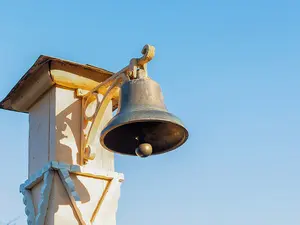
tocsin
[tok-sin]
a bell used to sound an alarm

elegant
[el-i-guhnt]
graceful and stylish in appearance or manner

toadstool
[toad-stool]
a kind of fungus similar to a mushroom, consisting of a round cap on a short stem, and that is often poisonous

mendacious
[men-dey-shuhs]
telling lies, especially habitually; dishonest; untruthful

discursive
[dih-skur-siv]
passing aimlessly from one subject to another; digressive; rambling

rapt
[rapt]
deeply engrossed or absorbed

hesitant
[hez-i-tant]
slow to act or speak due to uncertainty

dogmatic
[dawg-mat-ik]
relating to or of the nature of a dogma or dogmas or any strong set of principles concerning faith, morals, etc., as those laid down by a church; doctrinal

imprudent
[im-prood-nt]
not prudent; lacking discretion; incautious; rash

ephemeral
[ih-fem-er-uhl]
lasting for a very short time

aquiver
[uh-kwiv-er]
trembling with excitement or emotion