
bribe
Verbmoney or favors given to influence someone
What Makes This Word Tick
Bribe means persuading someone to act dishonestly by offering money or some other reward. It belongs to situations where fairness is bent for private gain. The word carries corruption at its core, not simple generosity or persuasion.
If Bribe Were a Person…
Bribe would be the smooth talker who slides an offer across the table and hopes rules disappear. They rely on temptation more than truth. Their power comes from making wrongdoing look convenient.
How This Word Has Changed Over Time
The word has long stayed tied to unfair influence and corrupt payment. While the exact forms of reward can vary, the central idea of buying dishonest action remains stable.
Old Sayings and Proverbs
A proverb-style idea that fits bribe is that a price placed on honesty weakens more than one person. That matches the word because bribery harms trust as well as judgment.
Surprising Facts
Bribe is a short word with a strong moral charge. It can refer to money, favors, or rewards, but the heart of it is always dishonest influence. That makes it sharper than neutral verbs like persuade or convince.
Out and About With This Word
You will encounter bribe in legal talk, news stories, ethics discussions, and everyday speech about corruption. It fits official settings especially well because rules and fairness are part of its meaning. The word appears wherever private reward tries to distort proper action.
Pop Culture Moments Where Bribe Was Used
In pop culture, the idea behind bribe shows up in crime stories, political dramas, and tense scenes where one envelope or favor changes the balance of power. It works because audiences quickly grasp the moral stakes. That makes the concept a strong engine for secrecy and betrayal.
The Word in Literature
In literature, bribe helps frame corruption in a direct and economical way. Writers use it when they want a transaction to feel morally compromised rather than merely strategic. The word adds stain to a scene very quickly.
Moments in History with Bribe
The concept of bribe belongs to historical moments where power, justice, and money collided in corrupt ways. It fits eras shaped by contested authority and fragile public trust.
This Word Around the World
Across languages, this idea is usually expressed through verbs meaning to buy off, corrupt, or unlawfully influence. The exact wording varies, but the moral shape of the act is widely recognizable.
Where Does It Come From?
Bribe comes through Old French briber, which carried senses related to unfair taking and later corrupt dealing. That history fits the modern word, which remains tied to dishonesty purchased by reward.
How People Misuse This Word
People sometimes jokingly call any small treat a bribe, but the true word works best when someone is being pushed toward improper or dishonest action. Without that corruption, the term is only loose exaggeration.
Words It’s Often Confused With
Persuade is broader and does not imply corruption. Buy off is close, but it sounds more informal and transactional. Influence can be neutral, while bribe always points to dishonest pressure through reward.
Additional Synonyms and Antonyms
Additional Synonyms: grease, tempt, suborn Additional Antonyms: withstand, reject, uphold
Want to Try It Out in a Sentence?
"They tried to bribe the official to ignore the missing paperwork."
Explore more words
11 Dumbest Things Middle-Class Americans Waste Money On
See what to cut →
succuss
[suh-kuhs]
medicine/medical; to shake (a patient) in order to determine if a fluid is present in the thorax or elsewhere

dodge
[doj]
to avoid something by moving quickly or skillfully

Little-Known Money Hacks That Could Save You Hundreds
Review the list →

Is Staying With the Same Insurer Costing You More?
Explore Your Options →

green
[gr-een]
the color of grass; also refers to inexperience or being environmentally friendly.

sanctimonious
[sangk-tuh-moh-nee-uhs]
making a show of being morally superior to others

These 10 Money Moves Could Save Seniors Hundreds
Read more →

fecund
[fee-kuhn]
producing or capable of producing offspring, fruit, vegetation, etc. in abundance; prolific; fruitful

whir
[wh-ir]
a soft, continuous sound made by something in motion, such as machinery.
insatiable
[in-sey-shuh-buhl]
not satiable; incapable of being satisfied or appeased

banshee
[ban-shee]
(in Irish legend) a female spirit whose wailing warns of an impending death in a house
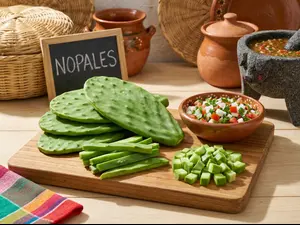
nopales
[noh-pah-les]
young tender stem segments of the prickly pear cactus that are used as food.

artful
[ahrt-fuhl]
clever or skillful, often in a crafty or cunning way

wormhole
[wurm-hohl]
a hole made by a burrowing or gnawing worm, as in timber, nuts, etc.

assertion
[uh-sur-shuhn]
a confident and forceful statement of fact or belief

bamboozle
[bam-boo-zuhl]
to deceive or get the better of (someone) by trickery, flattery, or the like

benevolent
[buh-nev-uh-luhnt]
desiring to help others; charitable
whimsical
[hwim-zi-kuhl]
given to whimsy, capricious humor, excessively playful expression, or fanciful notions; capricious

etui
[ey-twee]
a small case for needles and toiletries