
act
verbto take action or perform a role in a play or situation
What Makes This Word Tick
Act is a lively little verb for doing something instead of staying still. It fits moments when someone steps in, responds, or takes on a part in a situation. It suggests movement and purpose, not the quiet pause implied by idleness.
If Act Were a Person…
Act would be the person who does not linger at the edge of the room for long. They jump in, take their cue, and keep the scene moving. Their whole style is about turning intention into motion.
How This Word Has Changed Over Time
This word has largely kept its core idea of doing or performing. In modern use, it still covers both taking action and playing a role in a situation.
Old Sayings and Proverbs
A proverb-style idea that matches act is that deeds matter more than intentions alone. That connects neatly to the word because act is all about doing something that can be seen or felt.
Surprising Facts
Act is flexible enough to work in everyday speech, performance talk, and formal instructions. It often appears when people want to stress response rather than thought. Its brevity gives it unusual punch for such a broad verb.
Out and About With This Word
You will see act in conversation when people discuss behavior, quick decisions, or responsibility. It also fits storytelling, theater, and workplace language where someone needs to respond or perform. The word travels easily between casual and structured settings.
Pop Culture Moments Where Act Was Used
In pop culture, the idea behind act shows up whenever a character finally stops hesitating and does something important. It also appears in performance-driven stories where taking the stage or playing a role matters. That mix of motion and performance gives the word broad dramatic appeal.
The Word in Literature
Writers lean on act when they want to mark a meaningful choice or visible behavior. It is especially useful in scenes where a character’s response matters more than their private thoughts. The word keeps the focus on what happens outwardly.
Moments in History with Act
The concept of act belongs to turning points, protests, rescues, and decisions that move events forward. In historical writing, it suits moments when people do more than discuss and finally step in.
This Word Around the World
Many languages separate the ideas of doing and performing into closely related terms, which shows how central this concept is in human communication. Even when wording differs, the core idea of visible action remains easy to recognize.
Where Does It Come From?
Act comes from Latin actus, meaning a doing, and links back to agere, meaning to do or drive. That origin neatly matches the word’s present focus on action and performance.
How People Misuse This Word
People sometimes use act when they really mean think or feel, but the word works best when something is actually done or performed. It can also sound too broad if a more precise verb would name the exact kind of action.
Words It’s Often Confused With
Do is broader and more ordinary, while act often highlights a deliberate response or performance. Perform leans more toward carrying something out skillfully, especially in front of others. Behave focuses on conduct, which is only one corner of what act can cover.
Additional Synonyms and Antonyms
Additional Synonyms: do, portray, respond Additional Antonyms: rest, wait, remain idle
Want to Try It Out in a Sentence?
"When the moment finally came, she chose to act instead of standing by."
Explore more words

11 Dumbest Things Middle-Class Americans Waste Money On
See what to cut →

preen
[preen]
(of animals, especially birds) to trim or dress (feathers, fur, etc.) with the beak or tongue

sieve
[siv]
an instrument with a meshed or perforated bottom for straining liquids

Little-Known Money Hacks That Could Save You Hundreds
Review the list →

Is Staying With the Same Insurer Costing You More?
Explore Your Options →

bicker
[bik-er]
to engage in petulant or peevish argument; wrangle

surmise
[ser-mahyz]
to think or infer without certain or strong evidence; conjecture; guess

These 10 Money Moves Could Save Seniors Hundreds
Read more →
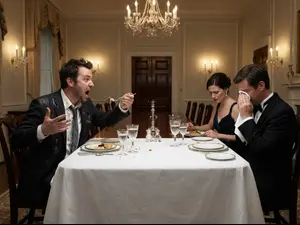
boorish
[boor-ish]
crude, insensitive
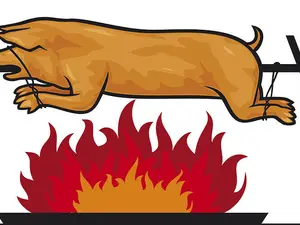
succulent
[suhk-yuh-luhnt]
(of food) tender, juicy, and tasty

blight
[blahyt]
any cause of impairment, destruction, ruin, or frustration

galvanize
[gal-vuh-nahyz]
to startle into sudden activity; stimulate

magnificent
[mag-nif-i-sent]
extremely beautiful, impressive, or excellent

defer
[dih-fer]
to postpone or delay something; to yield to someone

frazil
[fraz-uhl]
ice crystals formed in turbulent water, as in swift streams or rough seas

coulee
[koo-lee]
a deep ravine
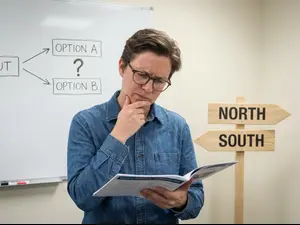
ambiguity
[am-bi-gyoo-i-tee]
the quality of being open to more than one interpretation

nettle
[net-ul]
to irritate or provoke someone

cultivated
[k-ult-iv-at-ed]
refined, educated, and cultured; also refers to land prepared for growing crops.

grommet
[grom-it]
an eyelet placed in a hole in a sheet or panel to protect or insulate a rope or cable passed through it or to prevent the sheet or panel from being torn