
traverse
verbto pass or move over, along, or through
What Makes This Word Tick
"Traverse" captures the essence of movement and exploration. It's an active word, full of energy and possibility, suggesting not just moving from one place to another, but the experience and adventure that come with it. It's perfect for those with a wanderlust spirit, always eager to discover new paths.
If Traverse Were a Person…
Imagine Traverse as an adventurous soul, a globe-trotter who loves nothing more than embarking on a new journey. This person would have a dusty pair of hiking boots, a well-worn map, and an ever-curious twinkle in their eye, always ready to share stories of daring escapades.
How This Word Has Changed Over Time
Originally hailing from the Old French "traverser," meaning to cross, "traverse" has maintained its core meaning while broadening to include abstract ideas like traversing time or intellectual landscapes. It's kept its adventurous heart through centuries of linguistic evolution.
Old Sayings and Proverbs That Use Traverse
While "traverse" isn't your go-to word for old proverbs, its spirit lives in sayings like "Cross the bridge when you get to it." They both reflect a desire to engage actively with whatever lies on the path ahead, no matter how daunting.
Surprising Facts About Traverse
Did you know "traverse" is not just for hikers and travelers? It's a staple in the world of skiing, describing a specific lateral movement across a slope. This versatile word adapts to many terrains, even snowy mountains!
Out and About With This Word
Using "traverse" in everyday conversation might lead you on unexpected journeys. Whether you're traversing a crowded room to meet an old friend or navigating complex ideas at a book club, this word invites action and engagement.
Pop Culture Moments Where Traverse Was Used
In Robert Frost's poem "The Road Not Taken," the spirit of traversing is alive and vibrant. While the poem doesn't use the word directly, it captures the very essence of choosing paths and the adventures that come with them.
The Word in Literature
"Traverse" often appears in adventure and travel narratives, capturing journeys through wild terrains or inner landscapes. Writers use it to evoke a sense of movement and discovery, in novels from Jules Verne's tales to modern travel memoirs.
Moments in History with Traverse
Imagine the great explorers like Columbus or Magellan traversing uncharted waters. Although they might not have used the word "traverse" itself, it perfectly encapsulates the spirit of their historical voyages and discoveries.
This Word Around the World
In French, "traverser" carries a similar meaning, showing the shared linguistic roots and the universal nature of crossing spaces, whether physical or metaphorical. Each culture has its ways of expressing this innate human desire to explore.
Where Does It Come From?
"Traverse" comes from the Latin "transversare," meaning to cross. Its journey through Old French into English mirrors the word's nature-an evolution marked by crossing languages and adapting to new linguistic landscapes.
How People Misuse This Word
People sometimes use "traverse" to describe simply moving in a straight line, but it actually implies a more complex journey, often involving obstacles or varied paths. So, make sure your traversing includes a bit of adventure!
Words It's Often Confused With
- Travel: Both involve movement, but "travel" is more general and doesn't imply the crossing of varied terrains or challenges.
- Cross: A direct movement from one side to another, lacking the complexity or adventurous nuance of "traverse."
- Navigate: While similar, "navigate" often includes guidance or direction, whereas "traverse" is more about the journey itself.
Additional Synonyms and Antonyms
Synonyms for "traverse" include cross, roam, and trek. Antonyms might be settle, remain, or stay.
Want to Try It Out in a Sentence?
"The seasoned hiker planned to traverse the Appalachian Trail, eagerly anticipating the diverse landscapes and challenges that lay ahead."
Explore more words
11 Dumbest Things Middle-Class Americans Waste Money On
See what to cut →

caveat
[kav-ee-aht]
a warning or caution; admonition

incessant
[in-ces-ant]
unending
Little-Known Money Hacks That Could Save You Hundreds
Review the list →

Is Staying With the Same Insurer Costing You More?
Explore Your Options →
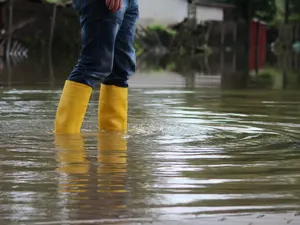
diluvial
[dih-loo-vee-uhl]
pertaining to or caused by a flood or deluge

zeitgeist
[tsahyt-gahyst]
the defining spirit or mood of a particular period of history as shown by the ideas and beliefs of the time

These 10 Money Moves Could Save Seniors Hundreds
Read more →

clean
[kleen]
free from dirt, pollution, or unwanted matter

pervading
[pur-vey-ding]
spreading throughout; permeating.

aggrandize
[ag-ruhn-dahyz]
increase the power, status, or wealth of
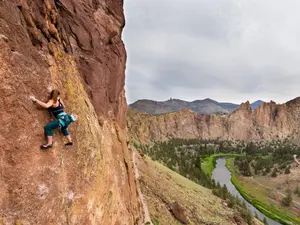
precarious
[pri-kair-ee-uhs]
dependent on circumstances beyond one's control; uncertain; insecure

chore
[chawr]
a routine task, especially a household one
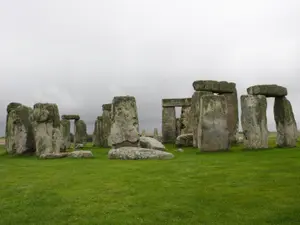
cromlech
[krom-lek]
(no longer in technical use) a megalithic chamber tomb

paraselene
[par-uh-si-lee-nee]
Meteorology—a bright moonlike spot on a lunar halo; a mock moon
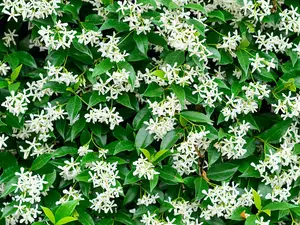
ambrosial
[am-broh-zhul]
exceptionally pleasing to taste or smell
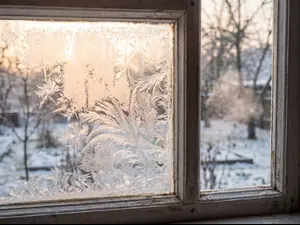
frosty
[fr-osty]
cold enough to produce frost; also used to describe unfriendly or distant behavior.

clandestine
[klan-des-tin]
characterized by, done in, or executed with secrecy or concealment, especially for purposes of subversion or deception; private or surreptitious

solder
[sod-er]
to join closely and intimately

puissant
[pyoo-uh-suhnt; pwis-uhnt]
powerful; mighty; potent