
efficacious
adjectivecapable of having the desired result or effect; effective as a means, measure, remedy, etc.
What Makes This Word Tick
"Efficacious" is a charming term that describes something having the power to produce a desired effect. It's often used in contexts where effectiveness and efficiency matter, like medicine or strategies. This word loves hanging out with descriptions of remedies, plans, and efforts that achieve what they're meant to do.
If Efficacious Were a Person…
Efficacious would be that practical friend who always has a solution up their sleeve. This person has a track record of getting things done, no fuss, no muss. They may not be the flashiest in the room, but when you need results, there's no one better to call.
How This Word Has Changed Over Time
"Efficacious" originates from the Latin word "efficac-", which itself comes from "efficacem," meaning powerful or effective. While its core meaning hasn't wavered much over the centuries, its usage has jagged from the realm of spirituality and philosophy to the medical and practical fields we see today.
Old Sayings and Proverbs That Use Efficacious
While "efficacious" isn't the star of any famous old proverbs, you might liken it to the wisdom of "actions speak louder than words," highlighting doing something effectively rather than just talking about it.
Surprising Facts About Efficacious
A surprising element of "efficacious" is its preference for formal settings over casual conversation. It's more likely to pop up in scholarly articles or professional discussions than in everyday chit-chat. It also has a bit of a twin in "effective," though we're not looking to start any sibling rivalry here!
Out and About With This Word
Addressing an efficacious person in a room could raise eyebrows and turn heads-it's a word with presence, after all! You might find it at a medical conference or a business meeting about strategic planning. It's comfortable where efficacy truly matters.
Pop Culture Moments Where Efficacious Was Used
In popular culture, "efficacious" often pops up in detailed critiques or in dialogues of brainy characters in TV dramas, especially those involving legal or medical themes. It's a word that's been featured in movies or scripts when characters discuss successful outcomes of tricky plans.
The Word in Literature
You might read "efficacious" in classic literature when authors wanted a word that described the successful effect of a potion, a method or a character's plan. It's the quintessential Victorian novel word that adds a touch of gravitas to the narrative.
Moments in History with Efficacious
The development of modern medicine in the late 19th and early 20th centuries saw "efficacious" used frequently. Innovations during this period, such as penicillin, were described using this word, underscoring a shift to scientifically-proven treatments over traditional methods.
This Word Around the World
In French, "efficace" has a similar meaning and conjugation, adding a little international twist to its character. Across different cultures, while the translation might vary, the emphasis on producing a desired outcome remains a common trait.
Where Does It Come From?
As with many English words, "efficacious" has its roots in Latin. It's a blend of "ex-" (meaning out) and "facere" (meaning to do or to make), which fits the word's intent of making things happen effectively.
How People Misuse This Word
People sometimes use "efficacious" interchangeably with "efficient," though the two have nuanced differences. "Efficacious" is about the result's success; "efficient" relates to the means of achieving it, often involving speed and resourcefulness.
Words It's Often Confused With
- Effective: While both relate to achieving a goal, "effective" is broader and less formal.
- Efficient: Focuses on the process, not just the result.
- Eloquent: Mistaken sometimes due to sound similarity, but relates to expressiveness rather than effectiveness.
Additional Synonyms and Antonyms
Synonyms include potent, effective, and successful. Antonyms might be ineffective, useless, or futile-words that fail to get the job done.
Want to Try It Out in a Sentence?
Here's a go: "The new community initiatives proved highly efficacious in reducing citywide crime rates." See how effortlessly it fits?
Explore more words

11 Dumbest Things Middle-Class Americans Waste Money On
See what to cut →

demarcate
[dih-mahr-keyt]
to determine or mark off the boundaries or limits of

fluster
[fluhs-ter]
to put into a state of agitated confusion

Little-Known Money Hacks That Could Save You Hundreds
Review the list →

Is Staying With the Same Insurer Costing You More?
Explore Your Options →

utmost
[uht-mohst]
being at the farthest point or extremity; farthest

julienne
[joo-lee-en]
cut into thin strips, particularly vegetables

These 10 Money Moves Could Save Seniors Hundreds
Read more →

decay
[d-ek-ay]
the process of rotting or breaking down; also refers to a decline in quality or power.

clumsy
[klum-zee]
awkward in movement or handling things

mournful
[morn-ful]
feeling or expressing sorrow or grief

obstreperous
[uhb-strep-er-uhs]
noisy and difficult to control
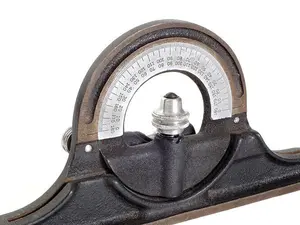
clinometer
[klahy-nom-i-ter]
an instrument used for measuring the angle or elevation of slopes

abjure
[ab-joor, ab-jur]
solemnly renounce

hinder
[hin-der]
to make it difficult for someone to do something or for something to happen

ardent
[ar-dent]
passionate or enthusiastic

patronize
[pey-truh-nahyz]
to adopt an air of superiority and condescension toward someone.

whimsical
[hwim-zi-kuhl]
given to whimsy, capricious humor, excessively playful expression, or fanciful notions; capricious

picaresque
[pik-uh-resk]
pertaining to or characterized by a form of prose fiction originally developed in Spain in which the adventures of a roguish hero are described in a series of usually humorous or satiric episodes often depicting the everyday life of the common people

provident
[prov-i-duhnt]
having or showing foresight; providing carefully for the future