
arabesque
nounfine arts; a sinuous, spiraling, undulating, or serpentine line or linear motif
What Makes This Word Tick
"Arabesque" dances at the intersection of art and movement. Originally an intricate design style featuring swirling and interlacing patterns, it also names a pose in ballet where the dancer extends one leg behind while balancing on the other. Whether in art or dance, there's always a rhythm, a swirling elegance to it.
If Arabesque Were a Person…
Arabesque would glide into a room with an effortless grace, embodying the blend of structure and fluidity. With a penchant for detail and connection, they'd be the first to spin a tale filled with twists and turns, leaving you entranced.
How This Word Has Changed Over Time
From its origins along the Mediterranean, "arabesque" first described ornate patterns used to decorate everything from manuscripts to architecture. Over time, it pirouetted into the world of classical ballet, becoming synonymous with poise and elegance.
Old Sayings and Proverbs That Use Arabesque
Though not commonly found in traditional sayings, the spirit of the arabesque is alive in phrases like “dance through life” – evoking a blend of artistry and elegance.
Surprising Facts About Arabesque
An arabesque is more than just a pretty face-or, in this case, design. In music, it's also a term for compositions characterized by ornate melodies that twirl and embellish like their visual namesake.
Out and About With This Word
The word pops up at the ballet barre where instructors call for an arabesque, and in museums where art history buffs admire the looping arabesque patterns woven into medieval tapestries.
Pop Culture Moments Where Arabesque Was Used
Film and literature occasionally draw inspiration from the word's flair, using "arabesque" to evoke images of grace and sophistication, perhaps most famously in Stanley Donen's 1966 thriller, "Arabesque."
The Word in Literature
Authors might employ "arabesque" to describe a character's elegant gesture or a complex narrative structure, much like the elaborate movements and intricate plots it suggests.
Moments in History with Arabesque
Ottoman architecture embraced the arabesque style, reflecting its cultural emphasis on artistic intricacy. Alternatively, you can picture it in Degas' iconic ballet paintings from the late 19th century.
This Word Around the World
In Turkish, Arabic, and Persian cultures, arabesque patterns are a beloved art form. Each region brings its unique flair, often incorporating calligraphy and floral motifs into the typical geometric lattice.
Where Does It Come From?
"Arabesque" stems from the Italian word "arabesco," meaning "in the Arabic style." This term captures how the intricate designs were inspired by and connected to Islamic art traditions.
How People Misuse This Word
Sometimes mistaken as a generic term for anything exotic or simply as a synonym for ballet, forgetting its rich double life as both a design style and dance posture.
Words It's Often Confused With
- Grotesque: Similar in sound, but this word refers to something odd or distorted, lacking the grace of arabesque.
- Baroque: Another artistic style, baroque describes dramatic, highly detailed art, often confused due to its own ornamental nature.
Additional Synonyms and Antonyms
- Synonyms: Ornate, intricate, elaborate
- Antonyms: Plain, simple, straightforward
Want to Try It Out in a Sentence?
"The artist's arabesque patterns flowed across the canvas, echoing the graceful lines of a dancer's poised stance."
Explore more words
11 Dumbest Things Middle-Class Americans Waste Money On
See what to cut →
numinous
[noo-muh-nuhs]
spiritual or supernatural

copacetic
[koh-puh-set-ik]
completely satisfactory; in excellent order

Little-Known Money Hacks That Could Save You Hundreds
Review the list →

Is Staying With the Same Insurer Costing You More?
Explore Your Options →
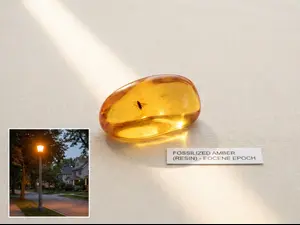
amber
[amb-er]
a yellowish-orange fossilized tree resin often used in jewelry.

maritime
[mar-i-tahym]
associated with the sea or waterways to the sea in relation to navigation, shipping, etc.

These 10 Money Moves Could Save Seniors Hundreds
Read more →
soliloquy
[suh-lil-uh-kwee]
an utterance or discourse by a person who is talking to himself or herself or is disregardful of or oblivious to any hearers present

complainer
[k-ompl-ain-er]
a person who frequently expresses dissatisfaction or grievances.

exacerbation
[ig-zas-er-bey-shuhn]
the act of making a negative situation feel worse than it is

undulant
[uhn-juh-luhnt]
undulating; wavelike in motion or pattern
ample
[am-pul]
more than enough; abundant
disrepute
[di-sre-ute]
a state of being held in low regard

innocuous
[ih-nok-yoo-uhs]
not likely to irritate or offend; inoffensive

celerity
[suh-ler-i-tee]
swiftness; speed

perdure
[per-door]
remain in existence throughout a substantial period of time; endure
hearten
[har-tn]
to give encouragement or confidence to someone

enumerate
[ih-noo-muh-reyt]
to mention separately as if in counting; name one by one; specify, as in a list

loath
[lohth, lohth]
unwilling; reluctant; disinclined; averse