
other
adjectivenot the same
What Makes This Word Tick
Other means not the same—pointing to something different, additional, or set apart from what you’re already talking about. It’s a comparison word, because it only makes sense against a reference point. Compared with different, other often sounds more practical and selection-focused, like choosing between options.
If Other Were a Person…
Other would be the person who quietly offers the second option and makes sure you know there’s more than one choice. They’re the gentle reminder that alternatives exist. Being around them feels like opening a drawer and finding another version of what you need.
How This Word Has Changed Over Time
Other has stayed remarkably stable as a way to mark difference or addition relative to a known item. It remains one of the most flexible everyday words for contrasting and selecting.
Old Sayings and Proverbs
A proverb-style idea that matches other is that there’s usually more than one way to choose. This reflects the meaning because other points to an alternative—something not the same as the first option.
Surprising Facts
Other can signal both contrast and addition, which is why it fits so many sentence shapes: the other one, other reasons, other people. It often works as a shortcut for “not this one,” making choices and comparisons feel clean. In writing, the word can keep a passage moving by avoiding repetition of names and items.
Out and About With This Word
You’ll see other constantly in everyday conversation, instructions, and writing whenever people compare options or add another item to a list. It’s common in decision-making moments—picking, swapping, considering alternatives. The word fits best when the key idea is “not the same one we just mentioned.”
Pop Culture Moments Where Other Was Used
In pop culture, “the other” often shows up as a theme of alternatives—another path, another choice, another version of events—without needing a specific title to make it recognizable. That reflects the definition because the word simply points to what is not the same as the current option. It’s a small word that can create big contrast.
The Word in Literature
In literary writing, other is often used to manage contrast and emphasis: one thing versus another, one self versus an alternative. It can keep prose efficient by directing attention to difference without heavy explanation. For readers, the word creates a clean pivot point—away from the known and toward the different.
Moments in History with Other
Across time, the idea of other has mattered wherever people compare groups, choices, and paths—deciding what is the same and what is different. This fits the definition because other marks not-the-same in a straightforward way. It’s a basic tool for sorting and selecting in human life.
This Word Around the World
Most languages have a direct equivalent for “other,” often with forms that distinguish “another of the same kind” from “different.” The shared concept is consistent: not the same as the one already referenced.
Where Does It Come From?
Other comes from Old English roots used to mark something different or additional, and it remains a core contrast word in English. The origin aligns closely with the modern sense because the meaning has stayed steady over time.
How People Misuse This Word
Other is sometimes used when someone really means the opposite, but other only means “not the same,” not “the reverse.” If you mean the reverse choice, opposite or contrary is clearer.
Words It’s Often Confused With
Other is often confused with another, but another usually suggests “one more,” while other often suggests “the remaining one(s)” or “a different one.” It can also overlap with different, though different emphasizes contrast more strongly than selection.
Additional Synonyms and Antonyms
Additional Synonyms: else, another, further Additional Antonyms: selfsame, unchanged, matching
Want to Try It Out in a Sentence?
"She chose the other dress because it looked more elegant."
Explore more words

11 Dumbest Things Middle-Class Americans Waste Money On
See what to cut →

entirety
[en-tahy-er-tee]
the whole of something

nurture
[nu-rtu-ure]
to assist the development of

Little-Known Money Hacks That Could Save You Hundreds
Review the list →

Is Staying With the Same Insurer Costing You More?
Explore Your Options →

insist
[in-sist]
to state something firmly or demand that something happens
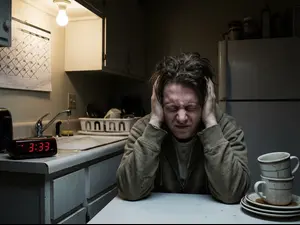
incessant
[in-ces-ant]
unending

These 10 Money Moves Could Save Seniors Hundreds
Read more →

widdershins
[with-er-shinz]
in a direction contrary to the sun's course, considered as unlucky; counterclockwise

guileless
[gahyl-lis]
free from guile; sincere; honest; straightforward; frank

foment
[foh-ment]
to instigate or foster (discord, rebellion, etc.); promote the growth or development of

afflicted
[uh-flik-tid]
suffering from pain, distress, or hardship

ascetic
[uh-set-ik]
relating to asceticism, the doctrine that one can reach a high spiritual state through the practice of extreme self-denial or self-mortification

quizzical
[kwiz-i-kuhl]
expressing puzzlement or mild amusement
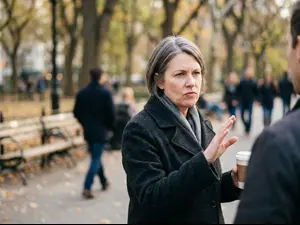
abrasive
[uh-bray-siv]
harsh, rude, or unkind in manner or speech

mingling
[ming-ling]
mixing or interacting with others

yarmulke
[yah-muh-kuh]
a cap worn by Orthodox and Conservative Jewish males

desuetude
[des-wi-tood]
the state of being no longer used or practiced

postulate
[pos-chuh-leyt]
to claim or assume the existence or truth of, especially as a basis for reasoning or arguing

hesitation
[hez-i-tay-shun]
the act of pausing before acting or speaking