
gape
Nounto stare with an open mouth in amazement
What Makes This Word Tick
To gape is to stare with an open mouth in amazement, combining looking and a visible “I can’t believe it” reaction. It’s not subtle—gaping shows surprise in your face and posture. Compared with watch, gape signals astonishment, not just attention.
If Gape Were a Person…
Gape would be the friend who forgets to blink when something shocking happens. Their mouth drops open before they can even form words. You can read their amazement instantly, like a sign held up in silence.
How This Word Has Changed Over Time
Gape has stayed closely tied to opening wide and staring in astonishment. Modern use still emphasizes the visible, open-mouthed reaction. The meaning remains stable because the gesture is universally recognizable.
Old Sayings and Proverbs
A proverb-style idea that matches gape is that surprise can steal your words before it steals your eyes. This reflects the definition because gaping is a wordless, open-mouthed stare of amazement.
Surprising Facts
Gape implies more than looking—it implies being so amazed you react physically. It often appears with crowds because gaping can spread when something unbelievable happens. The word also carries a slightly humorous edge, as if the amazement is so obvious it’s almost theatrical.
Out and About With This Word
You’ll see gape in descriptions of surprising performances, shocking news, unexpected sights, and dramatic reveals. It’s common in storytelling because it captures both attention and emotion in one verb. The word fits best when amazement is visible, not private.
Pop Culture Moments Where Gape Was Used
In pop culture, gaping reactions often appear in reveal scenes—magic tricks, plot twists, sudden transformations—where characters visibly register disbelief. That reflects the definition because the reaction is an open-mouthed stare of amazement.
The Word in Literature
In literary writing, gape is used to show astonishment without needing long explanation: the body gives the emotion away. It can add vividness, humor, or shock depending on context, because the image is instantly clear. For readers, it’s a quick signal that what’s happening is truly surprising.
Moments in History with Gape
Throughout history, the idea behind gaping appears in any setting where people witness something outside their expectations—spectacles, sudden announcements, or feats that feel unbelievable in the moment. It fits because gaping is a visible marker of amazement, especially in public crowds. In many accounts of surprises, the first response is simply staring, mouth open, trying to process what’s seen.
This Word Around the World
Many languages express this concept with verbs meaning “to stare” plus an added sense of being open-mouthed or astonished, since the physical reaction is part of the meaning. The closest equivalents keep both elements: looking and amazement.
Where Does It Come From?
Gape comes from Old Norse roots meaning “to open wide,” which lines up with the open-mouthed reaction the word describes. The origin supports the physical aspect of the meaning.
How People Misuse This Word
Gape is sometimes used as if it means simply look, but it specifically implies amazement and an open mouth. If someone is just watching or staring without surprise, stare or watch may be more accurate. Using gape signals visible astonishment.
Words It’s Often Confused With
Gape is often confused with gawk, which is very close but can sound more rude or nosy. It also overlaps with stare, though stare doesn’t necessarily include amazement or an open mouth. Ogle differs because it often suggests staring with interest that can be intrusive rather than surprised.
Additional Synonyms and Antonyms
Additional Synonyms: stare open-mouthed, gape in amazement, stand agape, gape at Additional Antonyms: look away, avert one’s eyes, close up, clamp shut
Want to Try It Out in a Sentence?
"The crowd began to gape as the magician performed an unbelievable trick."
Explore more words
11 Dumbest Things Middle-Class Americans Waste Money On
See what to cut →
arabesque
[ar-uh-besk]
fine arts; a sinuous, spiraling, undulating, or serpentine line or linear motif

myrrh
[mur]
an aromatic resinous exudation from certain plants of the genus Myrrhis, especially M. odorata, a small spiny tree: used for incense, perfume, etc.
Little-Known Money Hacks That Could Save You Hundreds
Review the list →

Is Staying With the Same Insurer Costing You More?
Explore Your Options →

tortuous
[tawr-choo-uhs]
full of twists, turns, or bends; twisting, winding, or crooked
abate
[uh-beyt]
to reduce in amount, degree, intensity, etc.

These 10 Money Moves Could Save Seniors Hundreds
Read more →
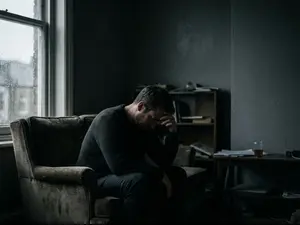
gloomy
[gloo-mee]
dark or poorly lit, especially to create a depressing atmosphere; feeling sad or pessimistic
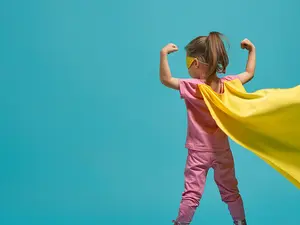
puissant
[pyoo-uh-suhnt; pwis-uhnt]
powerful; mighty; potent

talisman
[tal-is-muhn]
a stone, ring, or other object, engraved with figures or characters supposed to possess occult powers and worn as an amulet or charm

peregrinate
[per-i-gruh-neyt]
to travel or journey, especially to walk on foot
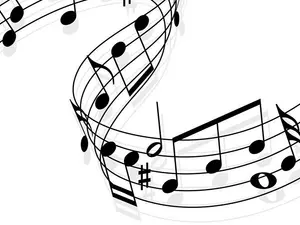
abgesang
[ab-guh-zong]
the concluding section in musical and poetic bar form
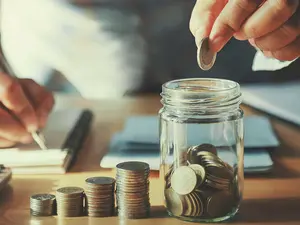
pecuniary
[pi-kyoo-nee-er-ee]
of or relating to money
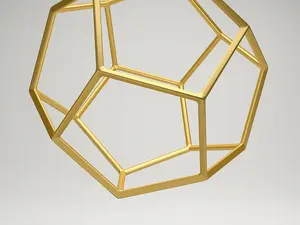
dodecahedron
[doh-dek-uh-hee-druhn]
a three-dimensional shape having twelve plane faces, in particular a regular solid figure with twelve equal pentagonal faces

surmount
[ser-mount]
to prevail over

parlous
[pahr-luhs]
perilous; dangerous

succuss
[suh-kuhs]
medicine/medical; to shake (a patient) in order to determine if a fluid is present in the thorax or elsewhere

melancholia
[mel-uhn-koh-lee-uh]
a mental condition characterized by great depression of spirits and gloomy forebodings

ordinal
[awr-dn-uhl ]
of or relating to order, rank, or position in a series