
sarcophagus
nouna stone coffin, typically adorned with a sculpture or inscription and associated with the ancient civilizations of Egypt, Rome, and Greece
What Makes This Word Tick
The word "sarcophagus" might sound like a sneeze, but it actually has nothing to do with allergies. It's a fancy term referring to a stone coffin, typically adorned with sculptures or inscriptions. These magnificent boxes have been around since ancient Egypt, implying a flair for dramatic exits since at least 1500 B.C.
If Sarcophagus Were a Person…
If sarcophagus were strolling through a party, it would be the one in vintage Egyptian attire, dropping words like "pharaoh" casually and recounting tales of ancient times. A bit mysterious and a touch scholarly, it would captivate its audience with stories of golden treasures and secret chambers.
How This Word Has Changed Over Time
Originally borrowing from the Greek “sarkophagos,” meaning “flesh-eating stone,” the word has thankfully shifted from its literal sense. It once referred to a type of limestone that was believed to decompose the flesh of corpses laid within. Over time, it simply evolved to a more dignified meaning: a grand tomb.
Old Sayings and Proverbs That Use Sarcophagus
While proverbs using "sarcophagus" might not fill the pages of your favorite quote book, you might hear a historian or two mumbling, "Let the sarcophagus speak for itself," perhaps referring to the tales that ancient coffins tell when unearthed.
Surprising Facts About Sarcophagus
A surprising tidbit: one of the largest sarcophagi found to date belonged to the Egyptian Pharaoh Merneptah, showcasing his larger-than-life status even in death. These coffins were not just burial vessels; they were symbols of power and grandeur designed to impress both the living and the dead.
Out and About With This Word
Sarcophagus sightings today are often in museums or historical documentaries where they often steal the limelight. Tourists might find themselves leaning over ancient stone boxes in the Valley of the Kings, wondering what secrets lie within.
Pop Culture Moments Where Sarcophagus Was Used
Think of "The Mummy" movies starring Brendan Fraser, where sarcophagi are practically the film's co-stars, setting the stage for all kinds of supernatural adventures. And who could forget Scooby-Doo's cartoon capers amidst stone coffins?
The Word in Literature
Sarcophagus frequently makes its illustrious appearance in historical novels or thrillers dealing with the lives of pharaohs or ancient mysteries. You'll find it nestled among pages that describe grand ancient rituals or the discovery of hidden tombs.
Moments in History with Sarcophagus
The discovery of King Tutankhamun's tomb in 1922 redefined our cultural perception of sarcophagi, turning these stone coffins into objects of international fascination and sparking a global "Egyptomania."
This Word Around the World
In Italy, a sarcophagus might be called "sarcofago," while in France, it's "sarcophage." Cultures worldwide have adopted similar forms of ornate burial practices, making this word universally intriguing and timeless.
Where Does It Come From?
"Sarcophagus" originates from Greek roots, with "sark" meaning flesh and "phagein" meaning to eat. Interesting origins for a word that describes a box intended for eternal rest-preferably without the digestion feature!
How People Misuse This Word
Sometimes people mistakenly use "sarcophagus" to describe any type of coffin, when it specifically refers to stone coffins, especially those once housing the remains of royals or nobles.
Words It's Often Confused With
- Coffin: While all sarcophagi are coffins, not all coffins are sarcophagi. Coffins can be made of wood, metal, or any other material, rather than stone.
- Crypt: A crypt is an underground vault used for burial, but it is not the stone encasement itself.
Additional Synonyms and Antonyms
While there's no perfect synonym for "sarcophagus," related terms include "tomb" and "casket." An antonym might be "birth," highlighting life's beginnings rather than its solemn conclusion.
Want to Try It Out in a Sentence?
The grandeur of the pharaoh was evident not only in life but also in death, as witnessed by the intricate carvings on his sarcophagus.
Explore more words
11 Dumbest Things Middle-Class Americans Waste Money On
See what to cut →

pendulous
[pen-juh-luhs]
hanging down loosely

calumniate
[kuh-luhm-nee-eyt]
to make false and malicious statements about; slander

Little-Known Money Hacks That Could Save You Hundreds
Review the list →

Is Staying With the Same Insurer Costing You More?
Explore Your Options →
heinous
[hay-nus]
shockingly wicked or reprehensible

conspicuous
[kuhn-spik-yoo-uhs]
easily seen or noticed; readily visible or observable

These 10 Money Moves Could Save Seniors Hundreds
Read more →

succedaneum
[suhk-si-dey-nee-uhm]
a substitute
jostle
[jos-uhl]
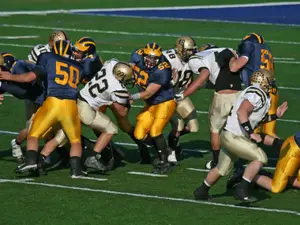
to bump, push, shove, brush against, or elbow roughly or rudely

innocuous
[ih-nok-yoo-uhs]
not likely to irritate or offend; inoffensive

hostile
[hos-tl]
unfriendly or antagonistic; opposed to something

polypod
[pol-ee-pod]
(of insect larvae) having many feet

precondition
[pree-kon-dish-un]
a condition that must be met before something else can happen

archetype
[arch-etyp-e]
a typical example or original model from which others are copied or derived.

abridge
[uh-brij]
to shorten by omissions while retaining the basic contents

emanate
[em-uh-neyt]
to flow out, issue, or proceed, as from a source or origin; come forth; originate
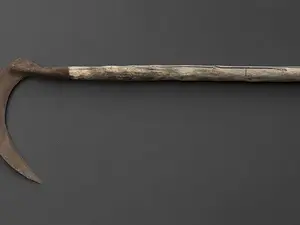
scythe
[sahyth]
an agricultural tool with a long, curving blade that sits at an angle on the handle

cerulean
[suh-roo-lee-uhn]
deep blue; sky blue; azure

parboil
[pahr-boil]
to boil for a short amount of time; pre-cook