
bedraggled
adjectivedirty and disheveled
What Makes This Word Tick
Bedraggled describes someone who looks wet, rumpled, and worn out, as if they’ve been dragged through a bad day. It’s stronger than “messy” and more physical than “unkempt,” because it suggests visible hardship.
If Bedraggled Were a Person…
Bedraggled would show up with damp sleeves, tangled hair, and a story that starts with “You won’t believe what happened.” They’re not polished, but they’re unmistakably real.
How This Word Has Changed Over Time
Bedraggled has kept its focus on appearance—looking dragged-down, wet, or disordered. Modern use often leans into the humor or sympathy of that look rather than just the mess itself.
Old Sayings and Proverbs
A proverb-style idea that fits bedraggled is that “storms show on your sleeves.” It connects to the word’s meaning because bedraggled is about the evidence of rough conditions showing up in how you look.
Surprising Facts
Bedraggled often implies more than dirt—it suggests fatigue, weather, and the aftermath of effort. It’s also a quick way to create mood, because the look tells a mini-story by itself.
Out and About With This Word
You’ll see bedraggled in descriptions after rain, travel mishaps, and long days on the move. It’s common in storytelling and conversation when someone wants a vivid snapshot of “not looking your best.”
Pop Culture Moments Where Bedraggled Was Used
In pop culture, the bedraggled look appears after chase scenes, surprise downpours, or comedic disasters. The concept signals that a character has been through something—sometimes tough, sometimes absurd.
The Word in Literature
Writers use bedraggled to compress a lot of detail into one word: weather, struggle, exhaustion, and disarray. It sets tone quickly, helping readers picture a character’s state without lengthy description.
Moments in History with Bedraggled
Historically, the concept fits any moment where people arrive worn by conditions—long travel, hard labor, or sudden storms. Bedraggled is the kind of word that captures how circumstances can show up on the body and clothing.
This Word Around the World
Across languages, this idea is often expressed through words meaning “soaked,” “rumpled,” or “disheveled.” The key is the combination of mess and wear, not just untidiness.
Where Does It Come From?
The inventory links bedraggled to an English formation tied to the idea of dragging, with an intensifying prefix. That background fits the modern image: someone who looks as if they’ve been pulled through rough conditions.
How People Misuse This Word
Bedraggled is sometimes used for anything slightly casual, but it’s note-worthy mess—often wet or worn looking. If someone is simply relaxed or informal, a milder word usually fits better.
Words It’s Often Confused With
Disheveled focuses on hair and general disorder, while bedraggled often adds the sense of dampness or hardship. Dirty is about grime, but bedraggled is about the whole worn-down look. Messy can be temporary, while bedraggled feels lived-in.
Additional Synonyms and Antonyms
Additional Synonyms: ragged, scruffy, soaked Additional Antonyms: pristine, immaculate
Want to Try It Out in a Sentence?
"The bedraggled runners crossed the line soaked and smiling."
Explore more words

disrespectful
[dis-ri-spekt-fuhl]
showing a lack of respect

admonish
[ad-mon-ish]
to caution, advise, or counsel against something

zealous
[zel-uhs]
full of, characterized by, or due to zeal; ardently active, devoted, or diligent

cachinnate
[kak-uh-neyt]
to laugh loudly or immoderately
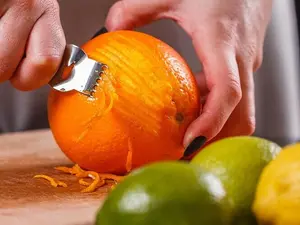
zest
[zest]
the outer, colorful part of the peel of citrus fruit, like lemon or orange, used as a flavoring agent

punctilious
[puhngk-til-ee-uhs]
extremely attentive to punctilios; strict or exact in the observance of the formalities or amenities of conduct or actions; showing great attention to detail or correct behavior

schmooze
[shmooz]
to chat idly; gossip

disintegration
[dis-in-ti-grey-shuhn]
the process of breaking into smaller parts

defenestrate
[dee-fen-uh-streyt]
to throw (a person or thing) out of a window

transpire
[tran-spahyuhr]
to occur, happen; take place

umami
[oo-mah-mee]
a strong meaty taste imparted by glutamate and certain other amino acids: often considered to be one of the basic taste sensations along with sweet, sour, bitter, and salty
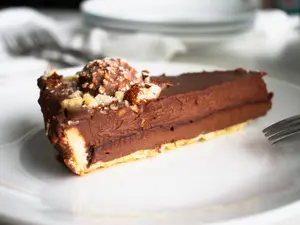
delectable
[dih-lek-tuh-buhl]
delicious
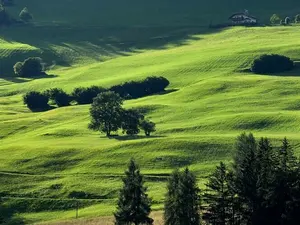
verdant
[vur-dnt]
green with vegetation; covered with growing plants or grass

discharge
[dis-chahrj]
to release or allow something to flow out

nadir
[ney-der]
the lowest point; point of greatest adversity or despair
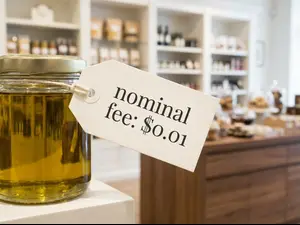
nominal
[no-min-nal]
trifling, insignificant