
betrothed
adjectiveengaged to be married
What Makes This Word Tick
"Betrothed" is a term deeply rooted in tradition and formality, essentially signifying someone who is engaged to be married. It's a romantic label, connoting promises made and futures shared. Often, it stirs up images of grand proposals, sparkling rings, and the exciting yet sometimes daunting journey toward matrimony.
If Betrothed Were a Person…
If "betrothed" were a person, they'd certainly be a romantic, dressed in classic attire and holding a journal filled with heartfelt poetry. This person would likely value tradition and commitment, delighting in long walks and candlelit dinners. They're the embodiment of dedication wrapped up in a timeless love story.
How This Word Has Changed Over Time
Originally imbued with a sense of formal and legal obligation, "betrothed" has somewhat softened in modern usage. It used to imply contracts and dowries, whereas today it leans more toward personal commitment and mutual love. While it still suggests an imminent wedding, it's not as tightly bound by the old customs.
Old Sayings and Proverbs That Use Betrothed
An old saying entwined with this word might be, "A betrothed heart is halfway to the altar." Though not a common expression, it captures the essence of promise and anticipation. Traditional phrases like this underscore the importance and weight once given to engagements.
Surprising Facts About Betrothed
Did you know that "betrothed" originally hails from the term "troth," meaning truth or a pledge? It's fascinating that one little word carries the heaviness of truth, assurance, and the binding of two lives. It's quite a testament to the power of promises!
Out and About With This Word
You'll most likely encounter "betrothed" at weddings or in invitations, engagement announcements, and romantic novels that sweep you off your feet with their old-world charm. It's not a term tossed around casually; rather, it maintains an air of expectation and joy for what's to come.
Pop Culture Moments Where Betrothed Was Used
In pop culture, "betrothed" often finds its place in period dramas, where courtiers and princesses are linked by political marriage. Think of TV series like "Bridgerton" or classic films where engagements are sealed with formal declarations and family negotiations.
The Word in Literature
"Betrothed" is a favorite in Victorian literature, where authors penned tales of romance and societal expectations. It pops up in the works of Jane Austen and the Brontë sisters, where relationships were the centerpieces of societal navigation and emotional turmoil.
Moments in History with Betrothed
Betrothals played a critical role in history, such as in medieval times when they cemented political alliances or sealed peace treaties. A betrothal was not just about love; it was a serious affair affecting the fates of families and nations alike.
This Word Around the World
Globally, the concept of being "betrothed" varies. In some cultures, it's part of a long-standing tradition with specific ceremonies, while in others it might be a quiet promise between two people. Its equivalents exist in many languages, each with unique cultural nuances.
Where Does It Come From?
"Betrothed" comes from combining "be-" with "troth," a term from Old English meaning to pledge or devote. It's a word that has traveled through time, retaining its essence of promise and future union.
How People Misuse This Word
People sometimes confuse "betrothed" with "married," though the former only implies a future intention rather than a legal union. Others might mistakenly use it to describe any committed romantic relationship, missing its specific nature tied to impending marriage.
Words It's Often Confused With
- Engaged: Similar in meaning, but "engaged" is more commonly used today.
- Married: This is the next step after being "betrothed"; it signifies the official union.
- Affianced: Another old-fashioned term for being pledged to marry, often used interchangeably with "betrothed."
Additional Synonyms and Antonyms
Synonyms for "betrothed" include "engaged," "affianced," and "promised." Antonyms could be "single" or "unattached," indicating a lack of romantic commitment.
Want to Try It Out in a Sentence?
"Jane, feeling a flutter of excitement, introduced Mr. Darcy to her friends as her betrothed, their forthcoming nuptials the talk of the town."
Explore more words

11 Dumbest Things Middle-Class Americans Waste Money On
See what to cut →

tocsin
[tok-sin]
a bell used to sound an alarm

snafu
[sna-foo]
a badly confused or ridiculously muddled situation

Little-Known Money Hacks That Could Save You Hundreds
Review the list →

Is Staying With the Same Insurer Costing You More?
Explore Your Options →

audit
[aw-dit]
an official inspection of accounts or records
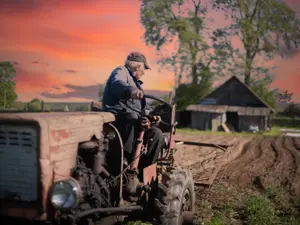
arable
[ar-uh-buhl]
capable of producing crops; suitable for farming; suited to the plow and for tillage

These 10 Money Moves Could Save Seniors Hundreds
Read more →

traverse
[trav-ers]
to pass or move over, along, or through

bivouac
[biv-oo-ak]
a military encampment made with tents or improvised shelters, usually without shelter or protection from enemy fire

hurtle
[hur-tl]
to rush violently; move with great speed

fiddlehead
[fid-l-hed]
one of the young unfurling fronds of certain ferns that are often eaten as greens.

meddle
[med-l]
to involve oneself in a matter without right or invitation; interfere officiously and unwantedly

grasp
[gr-asp]
to seize or hold something firmly; also to understand or comprehend an idea.

conjecture
[kuhn-jek-cher]
the formation or expression of an opinion or theory without sufficient evidence for proof

discursive
[dih-skur-siv]
proceeding by reasoning or argument rather than intuition

prolific
[pruh-lif-ik]
producing in large quantities or with great frequency; highly productive
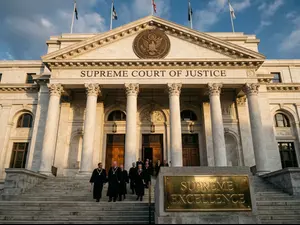
supreme
[soo-preem]
highest in rank, power, or quality

formless
[f-orml-ess]
without a clear shape or structure; amorphous or undefined.
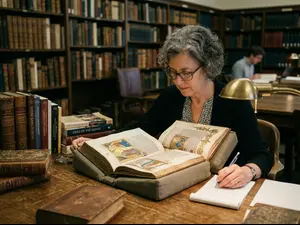
hagiography
[hag-ee-og-ruh-fee]
a biography that treats the person with excessive or undue admiration