
bit
nouna small piece or quantity of something
What Makes This Word Tick
A bit is a small piece or amount, useful when you want to emphasize that something is limited but still counts. It can describe physical pieces, time, effort, or money as long as the idea is “a small quantity.” Compared with “some,” bit feels more specific and intentionally small.
If Bit Were a Person…
Bit would be the practical friend who says, “Start small,” and means it. They don’t demand a huge leap—just a manageable piece you can actually handle. They’re proof that little amounts add up.
How This Word Has Changed Over Time
The meaning has stayed consistent around “a small piece or quantity,” while modern usage applies it broadly to many kinds of “small amounts,” including abstract ones. It’s remained a common, flexible everyday word.
Old Sayings and Proverbs
A proverb-style idea that matches bit is that little pieces make the whole. It reflects how small amounts, gathered over time, can become something meaningful.
Surprising Facts
Bit often appears with “every,” “a little,” or “just,” which intensifies the sense of smallness. It can also carry emphasis: “not a bit” signals zero, while “every bit” signals total commitment. In writing, it’s great for scale—showing that something is modest but real.
Out and About With This Word
You’ll hear bit constantly in everyday talk about money, time, and effort—saving a bit, waiting a bit, helping a bit. It’s also common in storytelling for quick, casual measurement. The word fits when the amount is small and you want that smallness to be felt.
Pop Culture Moments Where Bit Was Used
In pop culture, “a bit” often shows up in dialogue to keep things casual and relatable, especially when characters downplay big feelings or big plans. It also appears in montage-style progress moments where small steps lead to change. That focus on manageable amounts matches the word’s meaning.
The Word in Literature
In literary writing, bit is useful for pacing and realism, because it mimics how people naturally measure the world in small amounts. It can soften tone (“just a bit”) or sharpen emphasis (“every bit”). The word helps control scale without overexplaining quantities.
Moments in History with Bit
Historically, the concept fits everyday survival and planning—saving small portions, rationing, and accumulating resources bit by bit. Small quantities can shape outcomes when conditions are tight or uncertain. The word captures how incremental amounts matter in real life.
This Word Around the World
Across languages, this idea is usually expressed through common words for “piece,” “small amount,” or “morsel,” often with extra modifiers to show how little it is. Expression varies, but the concept of a small quantity is universal.
Where Does It Come From?
Bit traces back to Old English words connected to “bite” and “morsel,” which makes sense: a bit was originally something small enough to bite off. That concrete origin explains why it still feels naturally “small” in modern usage. The word’s history keeps its scale baked in.
How People Misuse This Word
Bit is sometimes used vaguely when a real measurement would be clearer, especially in instructions. It can also be overstated—calling a large amount “a bit” can sound misleading. If the smallness matters, pairing it with a clearer context helps.
Words It’s Often Confused With
Piece is close, but it often implies a more defined portion, while bit can be more casual. Portion can sound more measured or formal, while bit feels everyday. Morsel suggests something edible, while bit can apply to almost anything.
Additional Synonyms and Antonyms
Additional Synonyms: snippet, sliver, dab Additional Antonyms: totality, entirety, whole
Want to Try It Out in a Sentence?
"She saved every bit of money she could for her vacation."
Explore more words
11 Dumbest Things Middle-Class Americans Waste Money On
See what to cut →

listless
[list-lis]
having or showing little or no interest in anything; languid; spiritless; indifferent

seethe
[seeth]
to be filled with intense, often suppressed, emotion

Little-Known Money Hacks That Could Save You Hundreds
Review the list →

Is Staying With the Same Insurer Costing You More?
Explore Your Options →

convalesce
[kon-vuh-les]
to recover health and strength after illness; make progress toward recovery of health
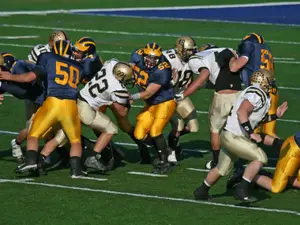
jostle
[jos-uhl]
to bump, push, shove, brush against, or elbow roughly or rudely

These 10 Money Moves Could Save Seniors Hundreds
Read more →
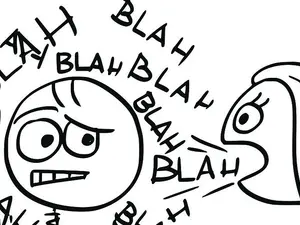
jabberwocky
[jab-er-wok-ee]
invented or meaningless language; nonsense

winebibber
[wahyn-bib-er]
a person who drinks a lot wine

modicum
[mod-i-kuhm]
a moderate or small amount

paltry
[pawl-tree]
insignificant or worthless

mesmerizing
[mez-muh-rahy-zing]
completely engrossing; captivating or fascinating

explicate
[ekspl-ik-at-e]
to explain or analyze something in detail, often to clarify its meaning.

cogent
[koh-juhnt]
convincing or believable by virtue of forcible, clear, or incisive presentation; telling
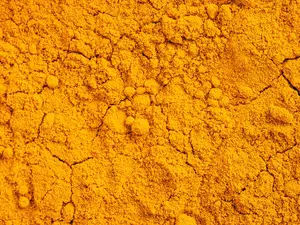
ocher
[oh-ker]
any of a class of natural earths, mixtures of hydrated oxide of iron with various earthy materials, ranging in color from pale yellow to orange and red, and used as pigments

sanguine
[sang-gwin]
optimistic or positive, especially in a bad or difficult situation

adjudicate
[uh-joo-di-keyt]
to pronounce or decree by judicial sentence

cadenza
[kuh-den-zuh]
an elaborate flourish or showy solo passage, sometimes improvised, introduced near the end of an aria or a movement of a concerto

operation
[op-er-ashun]
the process of functioning or performing work; also refers to a surgical procedure.