coiffure
nouna style of arranging the hair, typically elaborate
What Makes This Word Tick
"Coiffure" is a fancy term for hairstyle, borrowing an air of sophistication from its French origins. Though it may sound extravagant, it's as common as the hair on your head-quite literally! Whether it's about a sleek bob or a windswept bouffant, "coiffure" covers them all, adding a touch of elegance to the conversation surrounding hairdos.
If Coiffure Were a Person…
Imagine "coiffure" as a refined Parisian stylist, always impeccably dressed and never without a pair of sharp scissors and a comb in hand. They have a knack for making every lock of hair fall just right and can transform anyone into a fashion-forward icon with just a few snips. With an eye for detail and a flair for the dramatic, "coiffure" would effortlessly fit into the glamor of a 1960s fashion show.
How This Word Has Changed Over Time
Steeped in history, "coiffure" initially referred to just a head covering or cap before evolving to signify the hair arrangement beneath. Over the centuries, its meaning has shifted from a simple covering to the actual styling of hair, embodying the artistic and cultural significance of hairstyling through the ages.
Old Sayings and Proverbs That Use Coiffure
While "coiffure" itself doesn't feature in common English adages, hairstyling, in general, is an ancient human pursuit. You might come across sayings like "a change is as good as a rest," hinting at how a new hairstyle-perhaps a new "coiffure"-can make one feel rejuvenated.
Surprising Facts About Coiffure
Did you know that the term “coiffure” first entered the English language in the late 17th century? It danced its way across the English Channel, bringing with it all the glamor of the Versailles court. Today, it suggests a level of artistry beyond a regular haircut, often involving intricate styling and a distinct look.
Out and About With This Word
Next time you're out and about, listen for this word in posh salons or upscale beauty magazines. It tends to make an appearance in artful contexts where the craft of hairstyling is highly regarded. It's not just about a trim; it's about sculpting hair with a flourish.
Pop Culture Moments Where Coiffure Was Used
In pop culture, the word "coiffure" often adorns conversations in films and books set in high society, where characters are as meticulous about their hair as their attire. Think of "The Devil Wears Prada" or any classic Hollywood film where every strand is perfectly styled and coiffed.
The Word in Literature
"Coiffure" might find its elegant place in the descriptive passages of a historic novel or a contemporary romance set in Paris. Authors often use it to conjure imagery of grace and poise, elevating the everyday act of hairstyling into an art form worthy of the page.
Moments in History with Coiffure
Way back in history, Marie Antoinette became infamous for her elaborate coiffures, which at times included ships and birds amid her locks. This reflected the Rococo fashion frenzy and punctuates how "coiffure" can epitomize a period in history.
This Word Around the World
Though universally understood in fashionable quarters, “coiffure” carries slightly different nuances depending on where you are. In France, it's as everyday as “hairstyle,” while in English-speaking countries, it bears a touch of the exotic and sophisticated, often reserved for special occasions.
Where Does It Come From?
"Coiffure" springs from the French verb "coiffer," meaning to do hair. This lineage highlights a cultural history where hairstyling extends beyond mere grooming to become a statement-piece art form, drawing on centuries of French fashion innovation.
How People Misuse This Word
People sometimes use "coiffure" to refer to a simple haircut, but the term suggests something more ornate and styled. Unlike a trip to the local barber for a trim, a "coiffure" indicates a more meticulous and creative process.
Words It's Often Confused With
- Coif: Refers to a type of cap or head covering, or generally any kind of hair-do, however, not as sophisticated.
- Hairdo: A more casual, everyday term that encompasses basic hair arrangements.
- Updo: Specifically describes pinned-up hairstyles, often for formal occasions, which might be part of a "coiffure" but isn't the whole picture.
Additional Synonyms and Antonyms
- Synonyms: Pompadour, Bouffant, Hairstyle
- Antonyms: Neglect, Disarray, Unkempt
Want to Try It Out in a Sentence?
Amidst the elegant gala, every guest's coiffure seemed like a masterpiece, reflecting both personal style and the skilled artistry of their diligent stylists.
Explore more words

11 Dumbest Things Middle-Class Americans Waste Money On
See what to cut →
fractious
[frak-shuhs]
readily angered; peevish; irritable; quarrelsome:

caveat
[k-av-eat]
a warning or condition attached to an agreement or statement.

Little-Known Money Hacks That Could Save You Hundreds
Review the list →

Is Staying With the Same Insurer Costing You More?
Explore Your Options →
pompous
[pom-puhs]
characterized by an ostentatious display of dignity or importance

yeoman
[yoh-muhn]
performed in a workmanlike, valiant, and useful manner, especially in situations involving a great deal of effort

These 10 Money Moves Could Save Seniors Hundreds
Read more →

picturesque
[pik-chuh-resk]
(of writing, speech, etc.) strikingly graphic or vivid; creating detailed mental images

loquaciousness
[l-okw-ak-iousn-ess]
the quality of being very talkative or prone to lengthy conversation.

glumly
[gluhm-lee]
in a dismal, dreary, or gloomy manner.

ostensible
[o-sten-suh-buhl]
outwardly appearing as such; professed; pretended

perdure
[per-door]
remain in existence throughout a substantial period of time; endure

percolate
[pur-kuh-leyt]
to pass through a porous substance or filter; steep
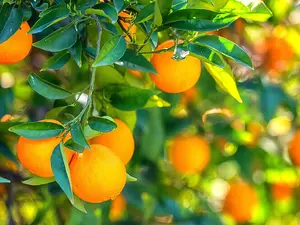
hesperidium
[hes-puh-rid-ee-uhm]
the fruit of a citrus plant

boba
[boh-buh]
a sweet drink of taiwanese origin that consists of tea mixed typically with milk or fruit syrup and small balls of tapioca.