coruscation
nounthe act of coruscating; a sudden gleam or flash of light; a striking display of brilliance or wit
What Makes This Word Tick
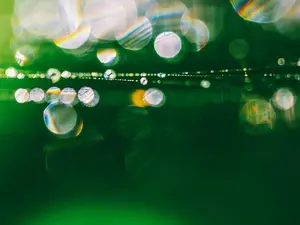
"Coruscation" is a delightfully shimmering word. It's like the flash of a diamond catching the light or the way the sun sparkles off a lake's surface on a sunny day. When you hear it, you can almost see that bright flicker dancing in the air, adding a bit of magic to your vocabulary.
If Coruscation Were a Person…
Imagine Coruscation as that glamorous neighbor who always seems to have a spotlight on them, dazzling everyone with their vibrant personality and brilliant smile. They're charming, perhaps a bit dramatic, but always the life of the party.
How This Word Has Changed Over Time
"Coruscation" hasn't changed much since its introduction into English from Latin roots. It has always suggested the act of glimmering or shining brightly, like a brief but powerful burst of light. Unlike some words that evolve through time, coruscation remains steadfastly sparkling.
Old Sayings and Proverbs That Use Coruscation
While there aren't age-old proverbs that specifically use "coruscation," its essence can be found in sayings that celebrate brilliance and enlightenment, like "shine bright like a diamond" or the notion of a "lightbulb moment."
Surprising Facts About Coruscation
Did you know that "coruscation" is not just about light? It's also used in some scientific contexts to describe certain astrological events, and in everyday language, it sometimes metaphorically applies to brilliant ideas or sudden leaps of understanding.
Out and About With This Word
"Coruscation" often makes its way into descriptions of fireworks displays, city lights at night, or the flashes of silver scales in a shoal of fish. Use it next time you're at a dazzling event, and you'll surely impress those around you.
Pop Culture Moments Where Coruscation Was Used
Though not mainstream in pop culture, you'd be likely to find "coruscation" tucked into the lyrics of a poetic ballad or an occasional science fiction saga when describing a dazzling scene or a beam from an advanced weaponry system.
The Word in Literature
Literary uses of "coruscation" often hark back to the golden age of the English novel, where authors like Charles Dickens or Thomas Hardy might have used it to describe a glittering ballroom or the shimmer of starlight above the moors.
Moments in History with Coruscation
Imagine Neil Armstrong's historic moon landing with coruscating reflections of the sun playing off his visor. Or, consider the twinkle in Thomas Edison's eyes when he successfully tested the incandescent light bulb – a literal and figurative coruscation.
This Word Around the World
"Coruscation" may translate to various forms of "sparkling" or "flashing" in other languages. In French, one might use "scintillation" to convey a similar meaning, while in Japanese, you might hear "kirakira" for that twinkling touch.
Where Does It Come From?
The word "coruscation" derives from the Latin "coruscatio," which means a glittering or flashing. This Latin root seamlessly traveled into English, maintaining its meaning across centuries and shining a light on its bright beginnings.
How People Misuse This Word
People sometimes use "coruscation" thinking it refers to literal, long-lasting brightness, when it often denotes a brief, brilliant flash or flicker. It's more about ephemeral glitter than steady shine.
Words It's Often Confused With
- Scintillation: While both suggest brightness, scintillation often refers to a sparkling effect, particularly of stars.
- Luminescence: This involves light emission, but not necessarily the sparkling aspect that coruscation implies.
- Glimmer: Usually a subtler, softer kind of light than coruscation's vividness.
Additional Synonyms and Antonyms
Synonyms for coruscation could include shimmer, sparkle, and flash. Antonyms, on the other hand, might be dullness, dimness, or drabness.
Want to Try It Out in a Sentence?
The coruscation of the fireworks against the night sky left the audience in awe, each burst more dazzling than the last, painting the darkness with brilliant light.
Explore more words
11 Dumbest Things Middle-Class Americans Waste Money On
See what to cut →

dissimulate
[dih-sim-yuh-leyt]
to disguise or conceal under a false appearance; dissemble

energized
[en-er-jyzd]
filled with energy or enthusiasm

Little-Known Money Hacks That Could Save You Hundreds
Review the list →

Is Staying With the Same Insurer Costing You More?
Explore Your Options →
pendulous
[pen-juh-luhs]
hanging down loosely
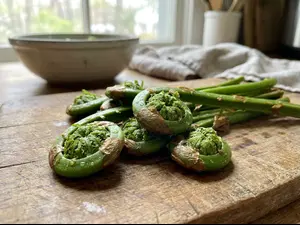
fiddlehead
[fid-l-hed]
one of the young unfurling fronds of certain ferns that are often eaten as greens.

These 10 Money Moves Could Save Seniors Hundreds
Read more →
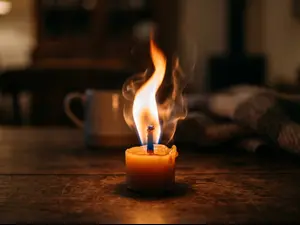
flame
[flaym]
a hot, glowing body of ignited gas
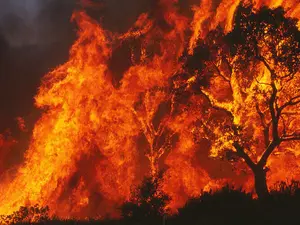
conflagration
[kon-fluh-grey-shuhn]
a destructive fire, usually an extensive one
dwindle
[dwin-dl]
to become smaller and smaller; shrink; waste away

bombastic
[bom-bas-tik]
high-sounding; high-flown; inflated; pretentious
incriminate
[in-krim-uh-neyt]
to accuse of or present proof of a crime or fault

brick
[br-ik]
a rectangular block of clay or similar material used in building; also refers to reliability.
triturate
[trich-uh-reyt]
to reduce to fine particles or powder by rubbing, grinding, bruising, or the like; pulverize

braid
[br-aid]
a pattern formed by weaving together three or more strands, often of hair or fabric.