
disheveled
adjectivehanging loosely or in disorder; unkempt
What Makes This Word Tick
"Disheveled" paints a picture of delightful disorder. It's like coming home after a long day to find your favorite chair with its familiar creases. This word conjures images of untamed hair and lovingly rumpled outfits, capturing a certain charm in the chaos. When it passes through your thoughts, it may remind you of the times when perfection wasn't the goal, but comfort was.
If Disheveled Were a Person…
If "disheveled" were a person, it would be the affable neighbor who never combs their hair but always has a good story to tell. They're the artist with paint on their cheeks and mismatched socks, full of life and laughter. You'd often find them at the local café, sipping on a double espresso, always surrounded by a little bit of happy chaos.
How This Word Has Changed Over Time
Once a word that might have caused a scoff or two in a Victorian parlor, "disheveled" has evolved into a term that's almost endearing. In earlier times, it may have suggested a certain lack of decorum, but today, it carries with it a nod of acceptance toward the quirks of daily life. It's the lovable imperfection in our otherwise orderly world.
Old Sayings and Proverbs That Use Disheveled
Old sayings might not have "disheveled" at their center, but you can sense its spirit in phrases like "the beauty in chaos" or "perfectly imperfect." While it might not have ancient proverbs singing its praise, it's certainly akin to the wisdom shared about embracing the messiness of life.
Surprising Facts About Disheveled
Did you know that "disheveled" originally referred specifically to hair? It comes from the French "déchevelé," meaning 'bare-headed' or 'with disordered hair.' Over time, it started to describe more than just unruly locks, encompassing the general idea of untidiness.
Out and About With This Word
Next time you're out and about, try spotting the disheveled charm. Maybe it's in the tousled hair of that musician on the corner or in the mismatched garden gnome collection in someone's front yard. The world offers "disheveled" moments as a reminder that life isn't meant to be perfectly neat.
Pop Culture Moments Where Disheveled Was Used
Think of every detective story where the lead walks into a scene, hair mussed and tie askew, yet brilliant in their insights-disheveled at its best. Columbo, anyone? Or picture Bridget Jones scrambling through London-a personification of the word itself, in her lovable chaotic way.
The Word in Literature
"Disheveled" finds its way into literature where characters are painted in the hues of human imperfection. It might describe a protagonist in a Jane Austen novel, battling against societal norms with little concern for a perfect coiffure. It sits comfortably next to characters in modern works, too, those who embrace their out-of-place lives.
Moments in History with Disheveled
While it might not have been the word of choice during grand historical speeches, "disheveled" perfectly describes moments of revolution and change-a woman tossing aside her corset for comfort, or the chaos of an early morning victory before the troops have had time to tidy their uniforms.
This Word Around the World
In France, "débraillé" carries a similar meaning. Across different cultures, while the translation might vary, the concept of wearing one's imperfections with pride remains widespread, resonating with phrases like “shabby chic” or the Japanese aesthetic of "wabi-sabi," which appreciates beauty in imperfection.
Where Does It Come From?
Rooted in Middle English, "disheveled" is a descendant of the Old French word "deschevelé." The word initially meant to have disordered hair, literally to be without a hat, at a time when that was quite the faux pas.
How People Misuse This Word
People often use "disheveled" to mean just plain messy, but it carries an extra layer of charm and intent beneath its surface. It's not simply disorganized; it's more a nod to the beauty of imperfection or personal neglect that's scientifically planned.
Words It's Often Confused With
- Unkempt: While similar, unkempt often implies a lack of care or grooming.
- Messy: This focuses solely on disorder, missing the subtle charm of being disheveled.
- Tattered: Mainly used for clothes, suggesting wear and tear rather than general untidiness.
Additional Synonyms and Antonyms
Synonyms include tousled, rumpled, and bedraggled. For antonyms, think of words like neat, tidy, and immaculate, which conjure images of symmetry and order.
Want to Try It Out in a Sentence?
After a brisk walk on the beach, Mabel returned with windswept hair and a disheveled smile, exuding a carefree joy that was the envy of her neighbors.
Explore more words
11 Dumbest Things Middle-Class Americans Waste Money On
See what to cut →
threnody
[thren-uh-dee]
a poem, speech, or song of lamentation, especially for the dead; dirge; funeral song

negligent
[neg-li-juhnt]
failing to take proper care of something
Little-Known Money Hacks That Could Save You Hundreds
Review the list →

Is Staying With the Same Insurer Costing You More?
Explore Your Options →

celerity
[suh-ler-i-tee]
swiftness; speed

minatory
[min-uh-tawr-ee]
menacing; threatening

These 10 Money Moves Could Save Seniors Hundreds
Read more →

juvenile
[joo-vuh-nl]
of, pertaining to, characteristic of, or suitable or intended for young persons; youthful

commission
[co-mmi-ion]
an instruction, command, or role given to a person or group.

ingeminate
[in-jem-uh-neyt]
to repeat; reiterate

scintillating
[sin-tl-ey-ting]
witty; brilliantly clever

regretful
[ri-gret-fuhl]
feeling or showing regret or sorrow

foible
[foi-buhl]
a minor weakness or failing of character; slight flaw or defect

horrible
[hawr-uh-buhl]
causing horror; extremely unpleasant

magnanimous
[mag-nan-uh-muhs]
high-minded; noble
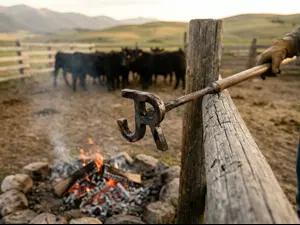
brand
[brand]
a type of product manufactured by a company; to mark with a branding iron
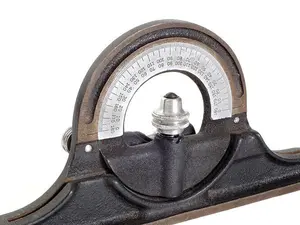
clinometer
[klahy-nom-i-ter]
an instrument used for measuring the angle or elevation of slopes

yap
[y-ap]
to bark sharply or shrilly, often referring to small dogs; also used informally for talking excessively.

submissive
[sub-mis-iv]
ready to conform to the authority or will of others