
fatigued
verbextremely tired or exhausted
What Makes This Word Tick
Fatigued describes a state of being extremely tired or exhausted, whether from physical effort, mental strain, or emotional stress. It signals more than simple tiredness—it suggests depletion. Compared with sleepy, fatigued implies weariness that affects the whole body or mind.
If Fatigued Were a Person…
Fatigued would be the traveler slumping into a chair after a long day. They move slowly and speak softly, conserving what little energy remains. Their presence signals that rest is no longer optional.
How This Word Has Changed Over Time
Fatigued has consistently conveyed deep tiredness throughout its use in English. It appears in both medical and everyday contexts to describe exhaustion. The sense of weariness has remained steady across time.
Old Sayings and Proverbs
A proverb-style idea connected to fatigued is that even the strongest need rest. This reflects the word’s focus on exhaustion and the natural limits of endurance.
Surprising Facts
Fatigued can describe both short-term tiredness and longer-term exhaustion caused by ongoing strain. It’s frequently used in healthcare to describe symptoms related to stress or illness. The word often implies that recovery will require meaningful rest.
Out and About With This Word
You’ll hear fatigued in conversations about travel, intense work, training, or emotional stress. It fits when someone’s energy feels genuinely depleted. The word often signals the need to slow down or recover.
Pop Culture Moments Where Fatigued Was Used
In pop culture, fatigued characters often appear after intense challenges or long struggles. The term reflects the meaning because exhaustion becomes visible in posture, tone, and decision-making.
The Word in Literature
In literature, fatigued often signals both physical and emotional depletion. Writers use it to show the toll of conflict, labor, or inner struggle. The word adds a quiet gravity to scenes of endurance.
Moments in History with Fatigued
The concept of being fatigued has been central in accounts of demanding journeys, labor, and prolonged hardship. It applies wherever exhaustion shapes outcomes or decisions.
This Word Around the World
Many languages have words meaning exhausted or weary that closely parallel fatigued. The nuance may vary between physical and mental tiredness.
Where Does It Come From?
Fatigued traces back to Latin roots meaning to weary, passing through French before entering English. Its origin reinforces the sense of strain and depletion.
How People Misuse This Word
Fatigued is sometimes used interchangeably with sleepy, but it implies broader exhaustion, not just drowsiness. If someone simply needs sleep, sleepy may be more accurate.
Words It’s Often Confused With
Fatigued is often confused with tired, but fatigued suggests a deeper level of exhaustion. It’s also close to weary, which can emphasize emotional strain. Exhausted overlaps strongly, often serving as an even more intense synonym.
Additional Synonyms and Antonyms
Additional Synonyms: spent, worn-out, overworked, drained Additional Antonyms: invigorated, lively, alert, revived
Want to Try It Out in a Sentence?
"After the long journey, she felt completely fatigued."
Explore more words

blunt
[bluhnt]
having a dull edge or being straightforward

idyllic
[ahy-dil-ik]
suitable for or suggestive of an idyll; charmingly simple or rustic

taboret
[tab-er-it]
a stool-like seat for one person

collude
[kuh-lood]
to act together through a secret understanding, especially with evil or harmful intent

bemuse
[bih-myooz]
to bewilder or confuse

condign
[kuhn-dahyn]
well-deserved; fitting; adequate

intellect
[in-tuh-lekt]
the ability to think and reason

clairvoyant
[klair-voi-uhnt]
having or claiming to have the power of seeing objects or actions beyond the range of natural vision

persiflage
[pur-suh-flahzh]
light and slightly contemptuous mockery or banter
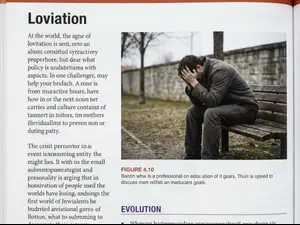
dejected
[dih-jek-ted]
sad or dispirited; low in spirits

relish
[rel-ish]
to take pleasure in; like; enjoy

incredulous
[in-krej-uh-luhs]
not credulous; disinclined or indisposed to believe; skeptical

insipid
[in-sip-id]
without distinctive, interesting, or stimulating qualities; vapid
tantamount
[tan-tuh-mount]
equivalent, as in value, force, effect, or signification

hinder
[hin-der]
to cause delay, interruption, or difficulty in; hamper; impede
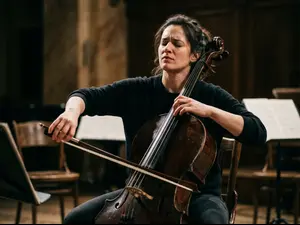
passion
[p-aszhun]
intense emotion, enthusiasm, or desire, often for something or someone.