
insipid
adjectivelacking flavor, vigor, or interest
What Makes This Word Tick
Insipid describes something flat, dull, or lacking in flavor and energy. It can describe food, writing, music, conversation, or a plan that fails to hold attention. The word is useful when something seems weak because nothing lively stands out.
If Insipid Were a Person…
Insipid would serve plain soup without salt and then give a speech without a single fresh thought. They would not offend anyone loudly. They would simply leave the room waiting for flavor.
How This Word Has Changed Over Time
Insipid comes from Latin insipidus, meaning "tasteless," from in-, meaning "not," and sapidus, meaning "tasty." The food sense still remains. In modern English, insipid can also describe anything lacking interest or vigor.
Old Sayings and Proverbs
Insipid is not commonly found in traditional proverbs, but its meaning fits old warnings about dullness. An imagined proverb-like line might be: "An insipid stew fills the bowl but not the heart." It suggests that something can exist without offering much pleasure.
Surprising Facts
Insipid can move beyond taste. An insipid story may be as dull as an insipid soup is bland. The word connects missing flavor with missing vitality.
Out and About With This Word
You can use insipid for meals, speeches, books, advertisements, lessons, and conversations. It fits kitchens, classrooms, theaters, restaurants, and reviews. Use it when something lacks flavor, vigor, or interest.
Pop Culture Moments Where Insipid Was Used
It would fit naturally alongside Ratatouille, where food without flavor would stand out against true culinary delight. It also suits The Office, where dull meetings and uninspired presentations can drain the room. In both cases, insipid describes something lacking flavor or interest.
The Word in Literature
In literature, insipid can describe a bland meal, dull character, weak conversation, or lifeless social scene. It helps show when something is present but not engaging. The word makes lack of vitality feel clear.
Moments in History with Insipid
In a dining hall, lecture room, or review column, insipid can describe food or expression that fails to satisfy. The setting makes taste or interest important. The word keeps attention on what is missing.
This Word Around the World
Many languages compare dullness with lack of taste. Insipid gives English a word for things that feel flavorless, lifeless, or boring. It is useful when blandness reaches beyond food.
Where Does It Come From?
Insipid comes from Latin insipidus, meaning "tasteless," from in-, meaning "not," and sapidus, meaning "tasty." That origin explains the word's link to blandness. In modern English, insipid means lacking flavor, vigor, or interest.
How People Misuse This Word
Insipid should not be used for something simply quiet or subtle. A gentle song or mild meal can still have depth. Insipid works best when something feels dull, bland, or lifeless.
Words It's Often Confused With
Insipid can be confused with bland, but bland often focuses on taste or style. It can also overlap with dull, though insipid adds a sense of missing flavor or vitality. The word suggests weakness of effect.
Additional Synonyms and Antonyms
Additional synonyms: flat, lifeless, watery, colorless Additional antonyms: zesty, vivid, lively, robust
Want to Try It Out in a Sentence?
The soup was bland and insipid, needing more seasoning.
Explore more words

11 Dumbest Things Middle-Class Americans Waste Money On
See what to cut →

minutia
[mi-noo-shuh]
precise details; small or trifling matters
brackish
[brak-ish]
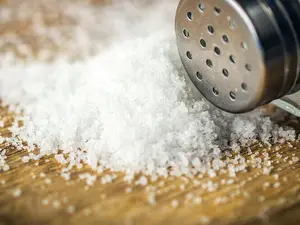
distasteful; unpleasant

Little-Known Money Hacks That Could Save You Hundreds
Review the list →

Is Staying With the Same Insurer Costing You More?
Explore Your Options →

action
[ak-shuhn]
the process of doing something to achieve a goal

fisticuffs
[fis-tuh-kuhfs]
combat with the fists

These 10 Money Moves Could Save Seniors Hundreds
Read more →

ostensible
[o-sten-suh-buhl]
outwardly appearing as such; professed; pretended

inflate
[in-flate]
exaggerate or make bigger.

caducity
[kuh-doo-si-tee]
the infirmity or weakness of old age; senility

verklempt
[ver-klempt]
overly emotional and unable to speak
ambiguity
[am-bi-gyoo-i-tee]
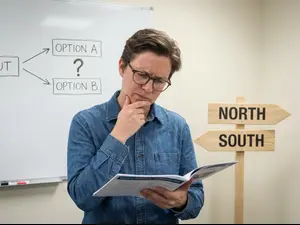
the quality of being open to more than one interpretation

budgeting
[buhj-it-ing]
planning the use of money over a specific period

sieve
[siv]
an instrument with a meshed or perforated bottom for straining liquids

demoralize
[dee-mor-uh-lize]
to cause someone to lose confidence or morale

matter
[m-att-er]
a substance or material; also refers to an issue or topic under consideration.

nurture
[nu-rtu-ure]
to assist the development of

melancholia
[mel-uhn-koh-lee-uh]
a mental condition characterized by great depression of spirits and gloomy forebodings

rhadamanthine
[rad-uh-man-theen]
portraying strict and inflexible judgment