
mediate
verbto act between parties to effect an agreement, compromise, reconciliation, etc.
What Makes This Word Tick
"Mediate" is all about building bridges between differences. Whether it's a family tiff over the holiday dinner table or a high-stakes negotiation between countries, this word rolls up its sleeves and gets to work. It's the verb equivalent of a neutral party, aiming to settle disputes and bring harmony.
If Mediate Were a Person…
Imagine Mediate as a wise, unflappable counselor, with spectacles perched on their nose and a gentle but firm demeanor. They listen intently, offering calm words and insightful suggestions to ease tensions and foster understanding. A regular at community events, they're greeted warmly wherever they go.
How This Word Has Changed Over Time
Mediate has its roots in the Latin word "mediat," which means "placed in the middle." Over time, it has evolved from describing a physical position to embodying the act of intervening to resolve disagreements. Its usage has broadened from formal negotiations to everyday conflicts.
Old Sayings and Proverbs That Use Mediate
You might not find age-old proverbs with "mediate" itself, but its spirit is alive in sayings like "A stitch in time saves nine," emphasizing the benefits of resolving issues promptly. Or, "Don't burn bridges," which subtly hints at the importance of mediation and preserving relationships.
Surprising Facts About Mediate
Did you know that mediation has been used since ancient times? The Greeks were among the first to employ it as a legitimate means of resolving disputes. Today, it's still a key tool in conflict resolution, used everywhere from courtrooms to boardrooms.
Out and About With This Word
You don't need to be a diplomat to mediate! Day-to-day, mediation might help in explaining to your neighbor why their cat on your car isn't quite the charm. It's the go-to move when ambiguity and conflict threaten to push a conversation off the rails.
Pop Culture Moments Where Mediate Was Used
Think about films like "Kramer vs. Kramer," where mediation embodies the delicate balance required in custody battles. Or, TV shows like "The Office," with countless humorous takes on informal workplace mediation. These moments show mediation's crucial role, even with a splash of drama or humor.
The Word in Literature
Mediation is a frequent theme in classic literature. Characters who strive to resolve conflict without violence, like the clever Odysseus or the tactful Elizabeth Bennet, often employ strategies of mediation. Writers use mediation to explore themes of compromise, empathy, and reconciliation.
Moments in History with Mediate
The Camp David Accords of 1978 could have been a "mediate" moment. When Egypt and Israel needed help bridging their gap, they found it in U.S. President Jimmy Carter's mediation. Such historical instances underscore the word's gravitas when peace hangs in the balance.
This Word Around the World
In Japan, "chōtei" stands for mediation, playing a crucial role in keeping harmony at the forefront of conflict resolution. In Australia, legal systems often include mediation as a first step before heading to court, emphasizing its universal significance.
Where Does It Come From?
"Mediate" traces back to the Latin "mediatus," the past participle of "mediare," meaning "to be in the middle." If words were family, "mediate" would sit comfortably beside "middle," sharing that central role in bridging divides.
How People Misuse This Word
Sometimes people confuse mediation with arbitration, although they're not quite the same. Mediation suggests facilitation and compromise, while arbitration often leads to a binding decision by a third party, unlike the cooperative essence of mediation.
Words It's Often Confused With
- Arbitrate: Unlike mediate, arbitrate involves rendering a decision like a judge, rather than facilitating negotiation.
- Negotiate: Focused more on bargaining and deal-making, which differs from the neutral facilitation that mediation symbolizes.
- Intervene: Though similar, intervene often suggests halting more than facilitating, as mediate does.
Additional Synonyms and Antonyms
Synonyms for mediate include "intervene," "reconcile," and "facilitate." As for antonyms, consider "exacerbate," "agitate," or "disrupt," which all oppose a mediator's peace-making nature.
Want to Try It Out in a Sentence?
"When the noise from the party got loud enough to wake the neighborhood, Mrs. Johnson stepped in to mediate and ensure everyone got some sleep."
Explore more words
11 Dumbest Things Middle-Class Americans Waste Money On
See what to cut →

resplendent
[ri-splen-duhnt]
attractive and impressive through being richly colorful or sumptuous

astringent
[uh-strin-juhnt]
causing contraction of body tissues; sharp or severe in manner
Little-Known Money Hacks That Could Save You Hundreds
Review the list →

Is Staying With the Same Insurer Costing You More?
Explore Your Options →

impetus
[im-pi-tuhs]
a moving force; impulse; stimulus
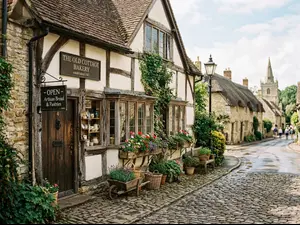
quaint
[kweynt]
attractively old-fashioned or unusual

These 10 Money Moves Could Save Seniors Hundreds
Read more →
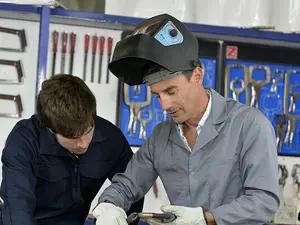
vocational
[voh-key-shuh-nl]
of, relating to, or connected with a vocation or occupation

loquaciousness
[l-okw-ak-iousn-ess]
the quality of being very talkative or prone to lengthy conversation.
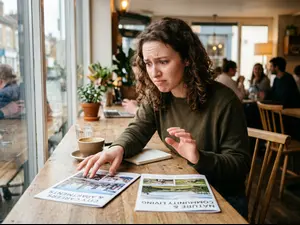
ambivalent
[am-biv-uh-luhnt ]
having mixed feelings about someone or something; being unable to choose between two (usually opposing) courses of action

tergiversate
[tur-ji-ver-seyt]
to repeatedly change one's attitude or opinions with respect to a cause, subject, etc.

maritime
[mar-i-tahym]
associated with the sea or waterways to the sea in relation to navigation, shipping, etc.
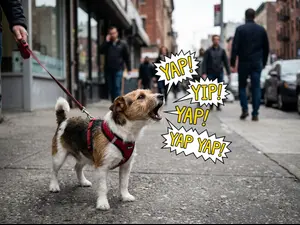
yap
[y-ap]
to bark sharply or shrilly, often referring to small dogs; also used informally for talking excessively.

charlatan
[shahr-luh-tn]
a person who pretends or claims to have more knowledge or skill than he or she possesses; quack

banshee
[ban-shee]
(in Irish legend) a female spirit whose wailing warns of an impending death in a house

demarcate
[dih-mahr-keyt]
to determine or mark off the boundaries or limits of
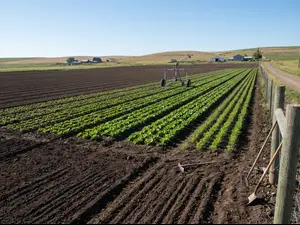
cultivated
[k-ult-iv-at-ed]
refined, educated, and cultured; also refers to land prepared for growing crops.
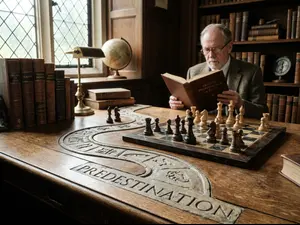
predestination
[pre-des-ti-nay-shun]
the belief that all events are determined in advance by fate
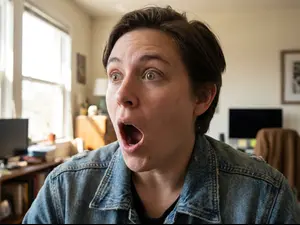
gape
[gayp]
to stare with an open mouth in amazement