
disparage
verbto bring reproach or discredit upon; lower the estimation of
What Makes This Word Tick
"Disparage" is a bit of a trickster in the world of words. It means to belittle or reduce someone's worth, often through cutting remarks or harsh criticism. It's a word that packs a punch, laced with a touch of disdain. When used in conversation, it suggests an attempt to make someone or something appear less important.
If Disparage Were a Person…
If "disparage" were a person, it might be that sarcastically inclined friend at a party who always has a slightly cynical comment. With a sharp wit and a tendency to deflate a pom-pom balloon of self-importance, Disparage wouldn't be the first to jump on the bandwagon of praise.
How This Word Has Changed Over Time
Originally, "disparage" had roots in formal English, coming from Middle English "disparagen" which meant to marry someone of a lower status. Over time, it shifted meanings and gained a broader use in the context of belittling rather than just socially downgrading.
Old Sayings and Proverbs That Use Disparage
While it's rare to find "disparage" nestled in ancient proverbs, the sentiment is present in sayings like “Words can wound,” reminding us that verbal attacks can cut deep, and belittling others rarely goes unnoticed.
Surprising Facts About Disparage
Here's a little-known fact: "disparage" is connected to the idea of unequal marriage - quite literally! Its early uses were all about unsuitable social matches and the conflicts they conjured. Imagine that being the rage in 15th-century gossip!
Out and About With This Word
Today, "disparage" might pop up in discussions both casual and formal, from workplace feedback sessions to lively debates or heated social media threads. It's a useful word when discussing the effects of rumors or critiques that aren't exactly constructive.
Pop Culture Moments Where Disparage Was Used
In pop culture, "disparage" might be used in TV dramas where characters have a rivalry, or in reality shows where contestants take verbal shots at each other. It's a fitting term in any context where reputation or public perception is on the line.
The Word in Literature
"Disparage" finds a home in literary critiques, character dialogue, and poetry, especially where tensions or power dynamics are explored. The works of Jane Austen or Shakespeare might revel in the nuances of social standing and how disparagement fits in.
Moments in History with Disparage
Historically, royals and nobles might have subtly "disparaged" one another to undermine competing claims to the throne or to position themselves favorably. Such maneuvers were often played out in public statements or thinly veiled jabs.
This Word Around the World
In different languages, "disparage" might be akin to words expressing disrespect or belittlement. While direct translations may vary, the sentiment is universal: dismissing someone's worth is a globally recognized slight.
Where Does It Come From?
The word "disparage" traces back to the Old French "desparagier," which itself hails from the Latin "par," meaning equal. Thus, essentially, it means making someone unequal or lowering them in rank or reputation.
How People Misuse This Word
"Disparage" is sometimes confused with mere disagreement. Criticizing constructively or expressing a differing opinion isn't the same as "disparaging," which suggests a harshness and intent to undermine.
Words It's Often Confused With
- Criticize: While both involve expressing disapproval, criticizing can be constructive.
- Insult: More overt and direct in offense.
- Deride: Contains elements of ridicule or scorn.
Additional Synonyms and Antonyms
Synonyms for "disparage" include belittle, denigrate, and deprecate. Antonyms might be praise, commend, and laud.
Want to Try It Out in a Sentence?
"Instead of offering her support, Jane chose to disparage her colleague's efforts, leaving the team feeling uneasy."
Explore more words
11 Dumbest Things Middle-Class Americans Waste Money On
See what to cut →

blatantly
[bley-tuhnt-lee]
doing something in a very obvious, open way, without trying to hide it.

yuppie
[yuhp-ee]
a young, ambitious, and well-educated city-dweller who has a professional career and an affluent lifestyle

Little-Known Money Hacks That Could Save You Hundreds
Review the list →

Is Staying With the Same Insurer Costing You More?
Explore Your Options →
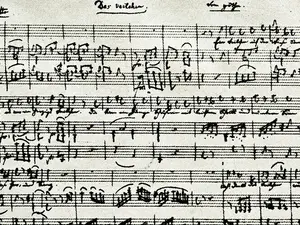
requiem
[rek-wee-uhm]
any musical service, hymn, or dirge for the repose of the dead

precarious
[pri-kair-ee-uhs]
dependent on circumstances beyond one's control; uncertain; insecure

These 10 Money Moves Could Save Seniors Hundreds
Read more →
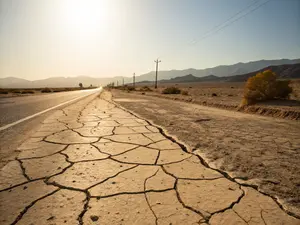
blistering
[blis-ter-ing]
very hot or severe; harshly critical

report
[ri-pawrt]
to give an account or representation of something

vestige
[ves-tij]
a surviving evidence or remainder of some condition, practice, etc.
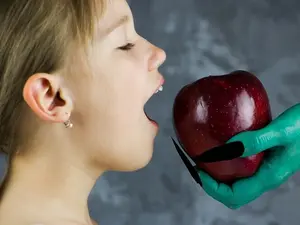
credulity
[kruh-doo-li-tee]
willingness to believe or trust too readily, especially without proper or adequate evidence; gullibility

didactic
[dahy-dak-tik]
intended for instruction; instructive:

spiral
[spy-ral]
winding in a continuous curve around a central axis

respite
[res-pit]
a delay or cessation for a time, especially of anything distressing or trying; an interval of relief

magnanimous
[mag-nan-uh-muhs]
generous in forgiving an insult or injury; free from petty resentfulness or vindictiveness

picaresque
[pik-uh-resk]
pertaining to or characterized by a form of prose fiction originally developed in Spain in which the adventures of a roguish hero are described in a series of usually humorous or satiric episodes often depicting the everyday life of the common people

glare
[glair]
to stare angrily or shine intensely
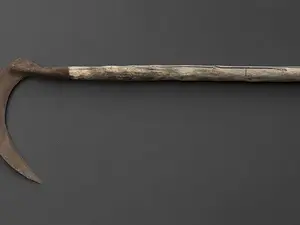
scythe
[sahyth]
an agricultural tool with a long, curving blade that sits at an angle on the handle

sesquipedalian
[ses-kwi-pi-dey-lee-uhn]
(of a word) containing many syllables