trenchant
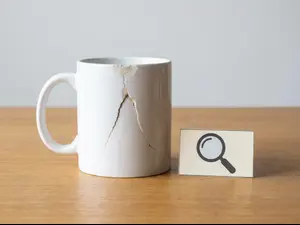
adjectiveincisive or keen, as language or a person; caustic; cutting
What Makes This Word Tick
"Trenchant" is a sharp little word, isn't it? It cuts right to the chase with its no-nonsense approach. Imagine sitting in the front row of a clever debate where every argument is incisive, clear, and crafty-this word captures that essence.
If Trenchant Were a Person…
Trenchant would be the kind of dinner guest who gets everyone talking. They'd have a talent for dissecting topics with precision, leaving you both amused and slightly in awe of their razor-sharp wit. You'd want to sit near them just to catch their clever insights.
How This Word Has Changed Over Time
The meaning of "trenchant" has stayed rather consistent over the centuries, focusing on its sense of being cutting or incisive. Its use has shifted from physical sharpness in Middle English to more metaphorical sharpness in language and thought today.
Old Sayings and Proverbs That Use Trenchant
While "trenchant" itself might not have ancient proverbs dedicated to its cause, its spirit can certainly be felt in age-old wisdom like "a sharp tongue does not mean a keen mind." Pleasantly biting, wouldn't you say?
Surprising Facts About Trenchant
Did you know that "trenchant" originally came from the Old French verb "trencher," which means "to cut"? It's fascinating how this word has sliced through centuries with its potent precision in both meaning and usage.
Out and About With This Word
You might come across "trenchant" in political commentaries or literary critiques, where succinctness and clarity are paramount. It's like the scalpel of language, aligning neatly with fields that require precise articulation and insight.
Pop Culture Moments Where Trenchant Was Used
Think of those classic movie lines or TV show moments where a character delivers a line that cuts through the noise with perfect clarity or wit. That's "trenchant" for you, a hallmark of screenwriting at its crafty best.
The Word in Literature
Literary critics often laud an author's "trenchant prose" when the writing conveys ideas with crisp and tart efficiency. It reflects an economy of words that bites with meaning, like Hemingway's work, where each word is meticulously chosen.
Moments in History with Trenchant
You can easily imagine Winston Churchill's speeches being described as trenchant. His words resonated deeply and were noted for their incisiveness during pivotal moments in history, providing clarity and direction.
This Word Around the World
"Trenchant" finds its equivalents in various languages, each capturing its essence of cutting insight. In German, you might use "scharfsinnig," while in French, it's "perspicace," highlighting cultural nuances in perceptive understanding.
Where Does It Come From?
Rooted in the Middle English term from the Old French "trenchant," this word originally described a physical sharpness, evolving over time to reflect more on the keen edge of thought and speech rather than blade.
How People Misuse This Word
Sometimes folks might use "trenchant" when they mean "strident" or "blunt," mistakenly thinking it just means any strong or loud statement. The subtle brilliance of "trenchant" lies more in its wit and incisive clarity than mere volume.
Words It's Often Confused With
- Blunt: While "blunt" often conveys frankness, it lacks the finesse and insight of "trenchant."
- Strident: This implies intensity, but without the precision and sharpness that characterize "trenchant."
- Acerbic: Both can suggest a sharp manner, but "acerbic" leans more towards bitterness.
Additional Synonyms and Antonyms
Synonyms for "trenchant" include incisive, penetrating, and keen. Antonyms would be dull, vague, or ineffective-words that don't quite make the cut.
Want to Try It Out in a Sentence?
"The critic's trenchant analysis of the novel uncovered layers of meaning that I hadn't considered before, revealing both the brilliance and the flaws of the narrative."
Explore more words
11 Dumbest Things Middle-Class Americans Waste Money On
See what to cut →

disquieting
[dis-kwahy-i-ting]
causing anxiety or uneasiness; disturbing

plotz
[plots]
to collapse or faint, as from surprise, excitement, or exhaustion

Little-Known Money Hacks That Could Save You Hundreds
Review the list →

Is Staying With the Same Insurer Costing You More?
Explore Your Options →

formless
[f-orml-ess]
without a clear shape or structure; amorphous or undefined.

tawdry
[taw-dree]
of little value; gaudy

These 10 Money Moves Could Save Seniors Hundreds
Read more →

scamper
[skam-per]
to run or go hastily or quickly

minacious
[mi-ney-shuhs]
menacing; threatening

axiom
[ak-see-uhm]
a self-evident truth that requires no proof

unsparing
[unsp-ar-ing]
generous and unrestrained in giving; also refers to harsh or severe criticism.

ramify
[ram-uh-fahy]
to divide or spread out into branches or branchlike parts; extend into subdivisions
correct
[kuh-rekt]
free from error; in accordance with fact or truth
malarkey
[muh-lar-kee]
meaningless talk or nonsense

respite
[res-pit]
a delay or cessation for a time, especially of anything distressing or trying; an interval of relief