
zenith
noun, nounthe time at which something is most powerful or successful the point in the sky or celestial sphere directly above an observer
What Makes This Word Tick
"Zenith" is a word that describes the peak or highest point of something. Often used in a metaphorical sense, it marks the pinnacle of success, a career, or even a celestial body in the sky. It's a word that captures the magic of reaching the top.
If Zenith Were a Person…
If Zenith were a person, they'd be someone who's always aiming for the stars, a high achiever who constantly seeks the summit of their personal and professional ambitions. With a touch of charismatic charm, they'd inspire others to reach their own zenith.
How This Word Has Changed Over Time
Originally rooted in astronomy, "zenith" described the highest point reached by a celestial body in the sky. Over time, its usage expanded beyond celestial navigation, becoming a metaphor for the apex of human achievements and moments of glory.
Old Sayings and Proverbs That Use Zenith
While not exactly overflowing with vintage sayings, you might hear something akin to "at the zenith of one's career," echoing the idea of standing proudly at the peak of one's life work with just a touch of poetic flair.
Surprising Facts About Zenith
Did you know that the word "zenith" was borrowed from the Arabic term "samt," which signifies direction? Over time, linguistic shifts in translation and usage morphed it into the word we cherish today as a symbol of highest points.
Out and About With This Word
Drop "zenith" into conversation to paint pictures of towering accomplishments. Whether discussing a favorite author's best work or a beloved athlete's career-highs, it adds a touch of grandeur to your storytelling.
Pop Culture Moments Where Zenith Was Used
In popular culture, "zenith" often pops up in discussions about the climax of a story or the peak of a star's fame. It's a word that fits comfortably into awards shows, movie reviews, and retrospectives on legendary careers.
The Word in Literature
"Zenith" finds a home in literature reflecting ultimate success or the high tide of a hero's journey. Think of the victorious moment in epic stories where the protagonist stands tall, having achieved their goal against all odds.
Moments in History with Zenith
Imagine the Wright brothers soaring to their zenith with the first powered flight. Or visualize Neil Armstrong's zenith moment as he stepped onto the moon. These apexes in history truly embody the spirit of the word.
This Word Around the World
In other languages, the concept behind zenith can be found in terms like the French "zénith" or German "Zenit," each pointing to the peak or highest point, whether in the sky or metaphorically.
Where Does It Come From?
"Zenith" originated from the Arabic "samt," which means direction or path. Through ages of translation-from Old Spanish to Medieval Latin and then Middle English-it evolved into the illustrious term we use today.
How People Misuse This Word
Some folks mistakenly use "zenith" when referring to the beginning of something rather than its peak. Keep in mind that "zenith" is all about highlights and tops, not starts.
Words It's Often Confused With
- Nadir: The opposite of zenith; it represents the lowest point.
- Apex: Similar, but used more for points or tips rather than metaphorical peaks.
- Pinnacle: Another synonym, often implying a point in success.
Additional Synonyms and Antonyms
Synonyms for "zenith" include pinnacle, apex, and acme. On the flip side, antonyms like nadir and bottom ground it firmly in its status as the high point.
Want to Try It Out in a Sentence?
"Reaching the zenith of her career, Ellen accepted the award with tears of gratitude, knowing she had achieved her dream."
Explore more words

11 Dumbest Things Middle-Class Americans Waste Money On
See what to cut →

exclaim
[ik-skleym]
to cry out; say loudly or vehemently

penetralia
[pen-i-trey-lee-uh]
the most private or secret things
Little-Known Money Hacks That Could Save You Hundreds
Review the list →

Is Staying With the Same Insurer Costing You More?
Explore Your Options →

ambivalent
[am-biv-uh-lent]
having mixed or contradictory feelings about something

predilection
[pred-l-ek-shuhn]
a tendency to think favorably of something in particular; partiality; preference

These 10 Money Moves Could Save Seniors Hundreds
Read more →
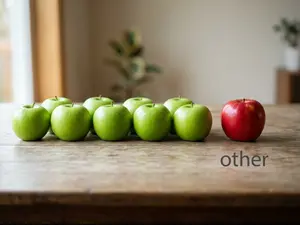
other
[uhth-er]
not the same

palpable
[pal-puh-buhl]
able to be touched or felt; obvious

treatise
[tree-tis]
a formal and systematic exposition in writing of the principles of a subject, generally longer and more detailed than an essay

sordid
[sawr-did]
squalid; wretchedly poor and run-down

parlous
[pahr-luhs]
perilous; dangerous

extract
[ekstr-akt]
to remove or obtain something, often with effort or force; also refers to a concentrated substance.

nimble
[nim-buhl ]
quick and light in movement; moving with ease; agile; active; rapid

salubrious
[suh-loo-bree-uhs]
favorable to or promoting health; healthful

fetching
[fech-ing]
charming; captivating

overhang
[oh-ver-hang]
to extend or project over something

infodemic
[in-foh-dem-ik]
a massive amount of widely and rapidly circulating information about a particular crisis or controversial issue, consisting of a confusing combination of fact, falsehood, rumor, and opinion

insurgent
[in-sur-juhnt]
of or characteristic of an insurgent or insurgents