promenade
verbto go for or take part in a stroll or walk, especially in a public place, as for pleasure or display
What Makes This Word Tick
"Promenade" is a delightful word that captures the essence of a leisurely stroll, often taken for pleasure or display. It's a throwback to more genteel times when taking a walk was as much about being seen and socializing as it was about the exercise. Imagine donning your Sunday best and parading down a tree-lined avenue - that's a "promenade"!
If Promenade Were a Person…
If "promenade" were a person, they'd be the finely dressed, charming socialite at every event, offering a courteous nod and sparkling conversation. They'd be drawn towards scenic routes, with an eye for the finer details along the path, ever ready to wave to familiar faces and exchange pleasantries.
How This Word Has Changed Over Time
Originally from the French "promener," the word "promenade" held court mainly in the realms of the elite as a fashionable walk or a dance term. Over time, it has retained that elegant flair but has become a bit more democratic, describing any leisurely walk, be it in a bustling city park or along a quiet beachfront.
Old Sayings and Proverbs That Use Promenade
While there aren't dusty tomes full of proverbs about promenading, there is an implicit wisdom in the act itself - perhaps summed up best by "Walk before you run," suggesting a certain cautious enjoyment of life.
Surprising Facts About Promenade
Once upon a time, promenades were considered venues for courtship and matchmaking, akin to a social media profile today - a place to see and be seen, without the touch screens. In the 19th century, even gentlemen and ladies' courting manuals advised on the proper etiquette for such walks.
Out and About With This Word
You'll find "promenade" popping up in lovely places like seaside towns, where townsfolk and tourists alike amble along esplanades. Whether on the Santa Monica Pier or alongside the Seine River, a promenade is a treat to the senses, a way to experience the locale leisurely.
Pop Culture Moments Where Promenade Was Used
"Promenade" occasionally waltzes into the realm of songs and film. Think of the whimsical charm it adds in Disney's "Beauty and the Beast" during the ballroom scene - a musical parade of grandeur and grace.
The Word in Literature
In literature, "promenade" frequently appears in period novels or scenes that evoke a sense of refined leisure. It's a word often found in the works of Jane Austen or Charles Dickens, where characters take to country lanes or city parks for their conversational perambulations.
Moments in History with Promenade
In an era when young Queen Victoria strolled down the promenades flanked by corseted ladies and gallant gentlemen, these fashionable walks symbolized status and a connection to the public - a social media feed come to life, 19th-century style.
This Word Around the World
In France, the birthplace of "promenade," you'll find "promenade en bateau," which means going on a boat trip. In Italy, the passeggiata is a similar tradition where locals take leisurely walks through town in the early evening.
Where Does It Come From?
The etymological journey of "promenade" begins in the Old French "promener," which means to lead or take somewhere. Over centuries, it ambled into English, keeping its essence intact as something elegant and leisurely.
How People Misuse This Word
Some might muddle "promenade" with "parade," though promenading lacks the grandness of floats and brass bands and is more about personal enjoyment and conversation than festive spectacle.
Words It's Often Confused With
- Parade: Often a public procession with a celebratory nature, while a promenade is typically a quiet, leisurely walk.
- Stroll: Can be synonymous but lacks the historical and social connotations of a promenade.
- Amble: Similar in pace, but more aimless and less structured than a promenade.
Additional Synonyms and Antonyms
Synonyms include "stroll," "saunter," and "walk." As for antonyms, "sprint" or "dash" certainly come to mind, being at the opposite end of the walking spectrum.
Want to Try It Out in a Sentence?
"Every Sunday, Elizabeth and her friends would promenade along the riverbank, exchanging snippets of the latest town gossip as they enjoyed the afternoon sun."
Explore more words

11 Dumbest Things Middle-Class Americans Waste Money On
See what to cut →

broth-like
[broth-lahyk]
resembling a thin, watery soup

terrestrial
[te-rre-ial]
relating to the land

Little-Known Money Hacks That Could Save You Hundreds
Review the list →

Is Staying With the Same Insurer Costing You More?
Explore Your Options →

palliative
[pal-ee-ey-tiv]
serving to relieve or lessen without curing; mitigate; alleviate
inhibit
[in-hib-bit]
to prevent, restrain, stop

These 10 Money Moves Could Save Seniors Hundreds
Read more →

disturb
[dih-sturb]
to interrupt or interfere with someone or something

perpetuate
[per-pech-oo-eyt]
to enable or allow the continuation of into the future; keep alive (used most often in reference to something considered harmful or false)

negligent
[neg-li-juhnt]
failing to take proper care of something
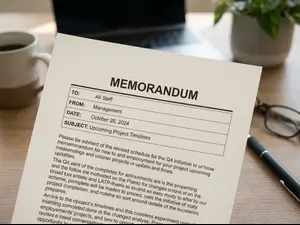
memo
[mem-oh]
a short written message, often within an organization

cringle
[krin-gul]
a reinforced loop in a sail used to attach ropes

disparage
[dih-spar-ij]
to bring reproach or discredit upon; lower the estimation of

rancid
[ran-sid]
having a rank, unpleasant, stale smell or taste, as through decomposition

ennui
[ahn-wee]
a feeling of utter weariness and discontent resulting from satiety or lack of interest; boredom