
preen
verb(of animals, especially birds) to trim or dress (feathers, fur, etc.) with the beak or tongue
What Makes This Word Tick
Ah, "preen" - a delightful word that often conjures visions of birds meticulously arranging their feathers. In its essence, "preen" means to tidy and groom oneself with great care, and it can also capture the act of congratulating oneself with smug satisfaction. It's like the peacock's parade in the world of vocabulary!
If Preen Were a Person…
Preen would be the stylish friend who never has a hair out of place, always knowing the latest fashion trends. This friend might strut down the street with a self-assured smile, relishing the attention and admiration of others. Yes, Preen is a bit of a show-off, but it's all in good fun!
How This Word Has Changed Over Time
Originally, "preen" strictly related to the avian world, focusing on feather maintenance. Over time, it spread its wings beyond birds, becoming a term for human vanity and self-congratulation. This linguistic evolution has added a touch of humor to its use, often with a hint of endearing vanity.
Old Sayings and Proverbs That Use Preen
While "preen" isn't an ancient proverb star, it's akin to the saying, "Pride goes before a fall." It's about that moment of self-satisfaction before things might just slip, serving as a gentle reminder not to focus too much on appearances.
Surprising Facts About Preen
Did you know that a bird spends nearly a third of its day preening? Their dedicated grooming helps with waterproofing and ensuring their feathers are in flight-ready condition. In the modern sense, even performing artists often "preen" before striding onto the stage!
Out and About With This Word
Next time you're at a cafe, watch for those preening around, sipping lattes as they angle for the best selfie. It's a word alive in body language and subtle gestures, from straightening ties to inspecting oneself in any reflective surface available.
Pop Culture Moments Where Preen Was Used
Any episode of a fashion-centric reality show is likely to encounter the essence of "preening." Characters caught in front of mirrors, basking in the glow of their stylish prowess, embody this concept without uttering a single word!
The Word in Literature
In literature, "preen" can dance across pages where character vanity or fastidiousness is highlighted. Think of Jane Austen's characters, often caught in a delicate balance of propriety and social standing, secretly preening for their social circles.
Moments in History with Preen
In the roaring '20s, flappers elegantly preened, adjusting their fringe dresses and headbands amidst the jazz and opulence. It was an era when appearance held great currency, much like today, with preening an unspoken part of every fashionable evening.
This Word Around the World
Across cultures, the equivalent of "preen" can range from meticulous grooming routines in Asia to full-blown carnival preparations in Brazil. It spans a global appreciation for looking one's best, expressed uniquely in every corner of the globe.
Where Does It Come From?
"Preen" originates from the Middle English word "prene," meaning to pierce or prick, likely drawing from the beak's action on feathers. Its linguistic journey has seen it adapt beautifully from the bird kingdom to human endeavors.
How People Misuse This Word
It's often mistaken to use "preen" just for outfit changes or basic made-up; it's more about the meticulous, almost over-the-top grooming that comes with a sense of pride.
Words It's Often Confused With
- Primp: While similar, "primp" suggests preparing one's appearance with a casual touch.
- Groom: A broader term, "groom" can pertain to basic tidiness without the added flair.
- Flaunt: Different because flaunting is about showing off rather than self-grooming.
Additional Synonyms and Antonyms
- Synonyms: Primp, groom, spruce up
- Antonyms: Neglect, dishevel, ignore
Want to Try It Out in a Sentence?
"After successfully closing the deal, John couldn't help but preen a little in the office mirror, adjusting his tie with pride."
Explore more words
11 Dumbest Things Middle-Class Americans Waste Money On
See what to cut →

interpolate
[in-tur-puh-leyt]
to introduce (something additional or extraneous) between other things or parts; interject; interpose; intercalate

droke
[drohk]
a valley with steeply sloping sides

Little-Known Money Hacks That Could Save You Hundreds
Review the list →

Is Staying With the Same Insurer Costing You More?
Explore Your Options →
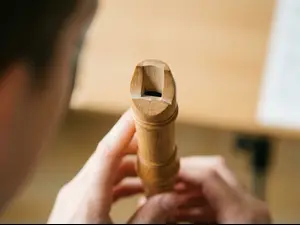
fipple
[fip-uhl]
a plug stopping the upper end of a pipe, as a recorder or a whistle, and having a narrow slit through which the player blows
skulk
[skuhlk]
to lie or keep in hiding, as for some evil reason

These 10 Money Moves Could Save Seniors Hundreds
Read more →
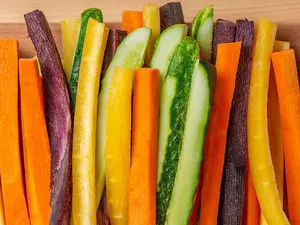
julienne
[joo-lee-en]
cut into thin strips, particularly vegetables

loquacious
[loh-kwey-shuhs]
talking or tending to talk much or freely; talkative; chattering; babbling; garrulous

vestige
[ves-tij]
a surviving evidence or remainder of some condition, practice, etc.
austere
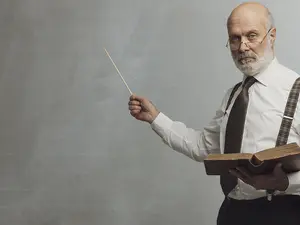
[aw-steer]
(of living conditions or a way of life) having no comforts or luxuries; harsh or ascetic

swift
[swift]
coming, happening, or performed quickly or without delay
annoying
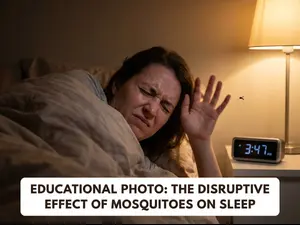
[uh-noy-ing]
causing irritation or displeasure
irascible
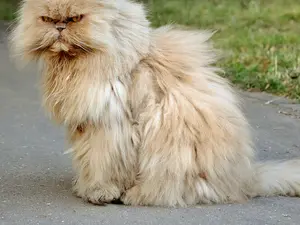
[ih-ras-uh-buhl]
having or showing a tendency to be easily angered

arrival
[uh-ry-vul]
the act of reaching a destination

paraselene
[par-uh-si-lee-nee]
Meteorology—a bright moonlike spot on a lunar halo; a mock moon
bassinet
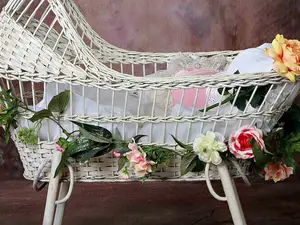
[bas-uh-net]
a basket with a hood over one end, for use as a baby's cradle

blatherskite
[blath-er-skahyt]
a person given to voluble, empty talk; nonsense; blather

wrangle
[rang-guhl]
to tend or round up (cattle, horses, or other livestock)