
miscreant
nouna vicious or depraved person; villain
What Makes This Word Tick
"Miscreant" is one of those delightful words that really lets you feel the disdain in your mouth as you say it. It carries a sense of mischievousness gone wrong-it's not just someone playing pranks; it's someone courting real trouble. Perfectly poised between drama and novelty, it's a word that drips with disapproval.
If Miscreant Were a Person…
Picture a rascal, perhaps with a figurative twinkle of rebellion or naughtiness in their eye. But tread lightly; this isn't a lovable scamp. Instead, this miscreant has a mean streak, likely to engage in skullduggery or a caper that sows a bit more than harmless mischief. Think of a younger sibling in a 1940s detective novel stirring up trouble in a noir setting.
How This Word Has Changed Over Time
Originally, “miscreant” was used to label a non-believer or heretic, coming from the Old French “mescreant,” meaning ‘unbelieving.' Over the decades, it shed its religious context and now sweetly categorizes any pernicious wrongdoer, from bank robbers to those who refuse to shush in a theater.
Old Sayings and Proverbs That Use Miscreant
While there might not be age-old proverbs starring miscreants, the term often lurks in tales told to warn or moralize about rogue-like figures. For instance, "Mayhem in the Market: A Miscreant's Mess!" would fit comfortably on the cover of a tabloid discussing a small-time crook's antics.
Surprising Facts About Miscreant
The transformation of "miscreant" from religious outcast to general rascal is not just linguistic-it mirrors historical shifts in what societies openly condemned. The word itself is a linguistic time capsule, hinting at past obsessions with orthodoxy.
Out and About With This Word
Spot this word in any discussion that involves outlaw behavior. It's a favorite in crime novels and any tale needing a touch of villainy. You might even hear it in a spirited discussion about those "kids these days" causing a stir.
Pop Culture Moments Where Miscreant Was Used
Television dramas like "Boardwalk Empire" or novels by Agatha Christie could easily include such a term to describe a character that's up to no good. It's that old-school charm that lands it in the dialogue of cloaked figures and whispered schemes.
The Word in Literature
Miscreants find a comfortable home in literary domains engaged in villainous character portrayals. Dickens could've had them sneaking around London's fog, and more modern authors might employ them in plotting the downfalls of unsuspecting protagonists.
Moments in History with Miscreant
During the Salem witch trials, accused witches might have been labeled as miscreants, although more formally, they were called malefactors. The spirit of a miscreant, that rebel against social norms, echoes in many historical upheavals.
This Word Around the World
In France, "miscreant" would historically translate to “mécréant,” carrying that old sense of religious deviation. However, in other languages, you might find more localized terms for miscreants that reflect cultural nuances of rebelliousness and rogue behavior.
Where Does It Come From?
The lineage of "miscreant" tracks back to the Latin “mis-” (wrongly) and “credere” (believe). This word evolved through Old French into Middle English as a term steeped in religious context before broadening to include troublemakers of all sorts.
How People Misuse This Word
Sometimes, "miscreant" gets tossed around too lightly, applied to any minor offender rather than reserving it for those with true nefarious intent. It's really meant for a bad apple, not just someone who cuts in line at the coffee shop.
Words It's Often Confused With
- Mischievous: Miscreant implies a more serious level of wrong than just troublesome.
- Villain: While often more severe, a villain is a more calculated evildoer than a miscreant.
- Delinquent: Similar in implication but often tied to young, troublesome behavior, focusing more on habitual law-breaking.
Additional Synonyms and Antonyms
Synonyms include "rogue," "scoundrel," and "rascal." On the flip side, antonyms like "hero," "saint," or "law-abiding citizen" offer a sense of contrast, highlighting the word's negative connotation.
Want to Try It Out in a Sentence?
While sipping his morning coffee, Bob read the headline: "Local Miscreant Strikes Again, Causes Misery in the Marketplace," and shook his head, muttering about the lack of civic sense these days.
Explore more words
11 Dumbest Things Middle-Class Americans Waste Money On
See what to cut →

tortuous
[tawr-choo-uhs]
deceitfully indirect or morally crooked, as proceedings, methods, or policy; devious

archetype
[arch-etyp-e]
a typical example or original model from which others are copied or derived.

Little-Known Money Hacks That Could Save You Hundreds
Review the list →

Is Staying With the Same Insurer Costing You More?
Explore Your Options →

pule
[pyool]
to cry in a thin voice; whine; whimper

aloof
[uh-loof]
reserved or reticent; indifferent; disinterested

These 10 Money Moves Could Save Seniors Hundreds
Read more →
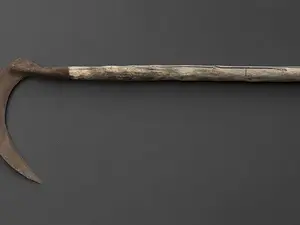
scythe
[sahyth]
an agricultural tool with a long, curving blade that sits at an angle on the handle

obnubilate
[ob-noo-buh-leyt]
to cloud over; becloud; obscure
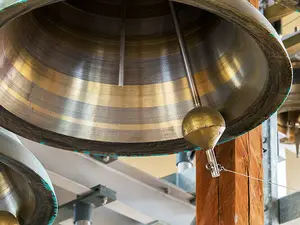
knell
[nel]
the sound made by a bell rung slowly, especially for a death or a funeral

nonpareil
[non-puh-rel]
having no equal; peerless
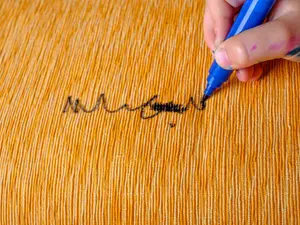
indelible
[in-del-uh-buhl]
impossible to eliminate, forget, or change

politeness
[puh-lahyt-nes]
behavior that is respectful and considerate of others

intuitive
[in-too-i-tiv]
having the ability to understand or know something without conscious reasoning

urbane
[ur-beyn]
having the polish and suavity regarded as characteristic of sophisticated social life in major cities

betrothed
[bih-trohthd]
engaged to be married
sabotage
[sab-uh-tahzh]
any underhand interference with production, work, etc., in a plant, factory, etc., as by enemy agents during wartime or by employees during a trade dispute

zephyr
[zef-er]
a gentle, mild breeze

diatribe
[dahy-uh-trahyb]
a bitter, sharply abusive denunciation, attack, or criticism